Archive: 2025/12

Primary Sclerosing Cholangitis (PSC) is a rare, progressive liver disease that scars bile ducts, leading to liver damage and failure. No cure exists, but symptom management and emerging therapies offer hope.
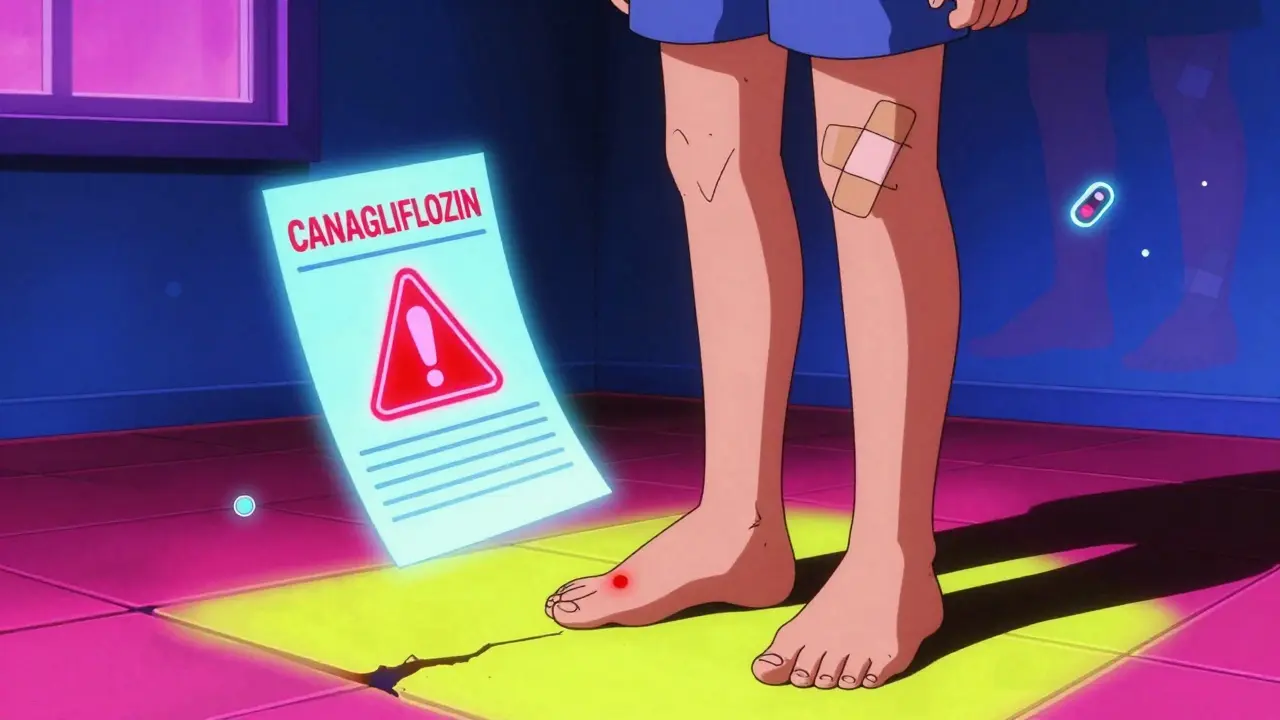
Canagliflozin (Invokana) carries a known risk of lower-limb amputation, especially in people with poor circulation or foot damage. Learn who’s at risk, how to prevent complications, and safer alternatives available today.

Learn the critical first aid steps for chemical eye splashes that can prevent permanent vision loss. Know how long to flush, what to avoid, and why speed saves sight.

Cochlear implants offer surgical hearing restoration for those with profound deafness by directly stimulating the auditory nerve. Unlike hearing aids, they bypass damaged inner ear structures, enabling speech understanding and sound awareness where amplification fails.

Chronic opioid-induced nausea affects 1 in 5 long-term users. Learn how diet, hydration, and medication choices can reduce nausea without stopping pain relief. Evidence-based strategies for real relief.
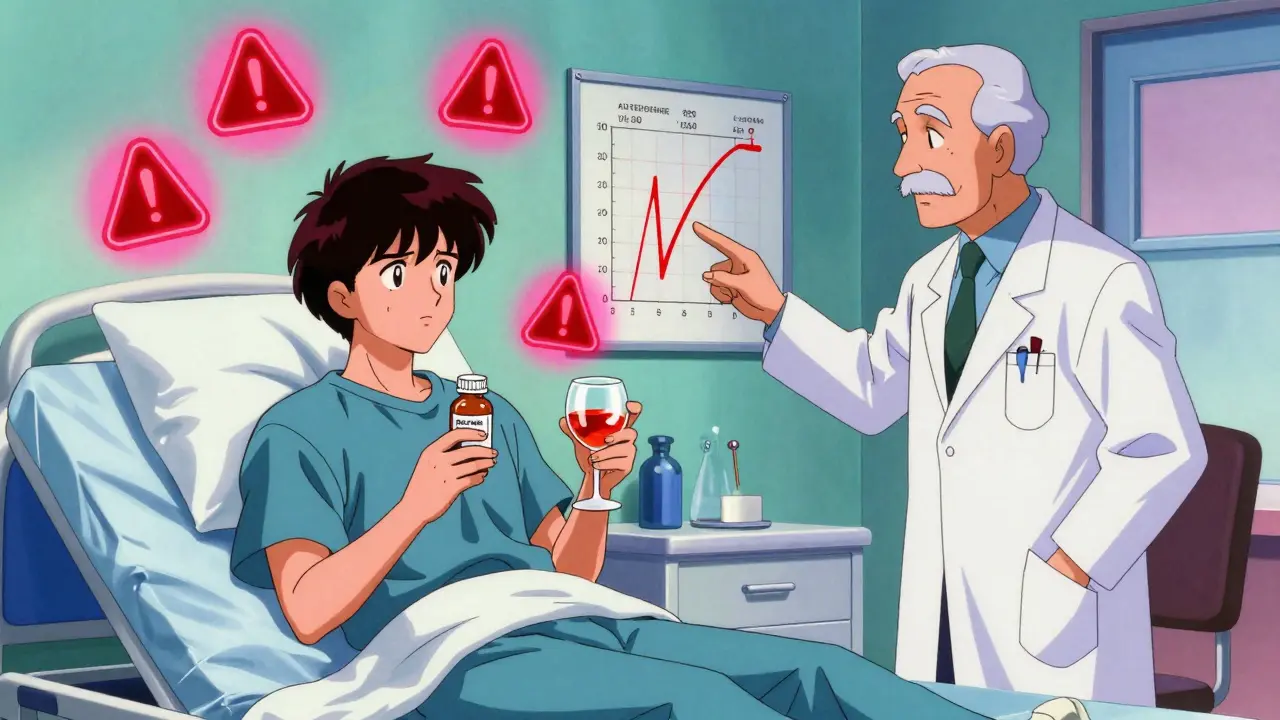
Metronidazole and alcohol don't cause the dangerous disulfiram-like reaction once believed. New evidence shows symptoms are likely due to serotonin changes or alcohol alone - not a toxic interaction. Here's what you really need to know.

Learn which asthma medications are safe during pregnancy and how to protect your baby’s health without compromising your own breathing. Evidence-based guidance on inhalers, risks of uncontrolled asthma, and practical steps for safe management.
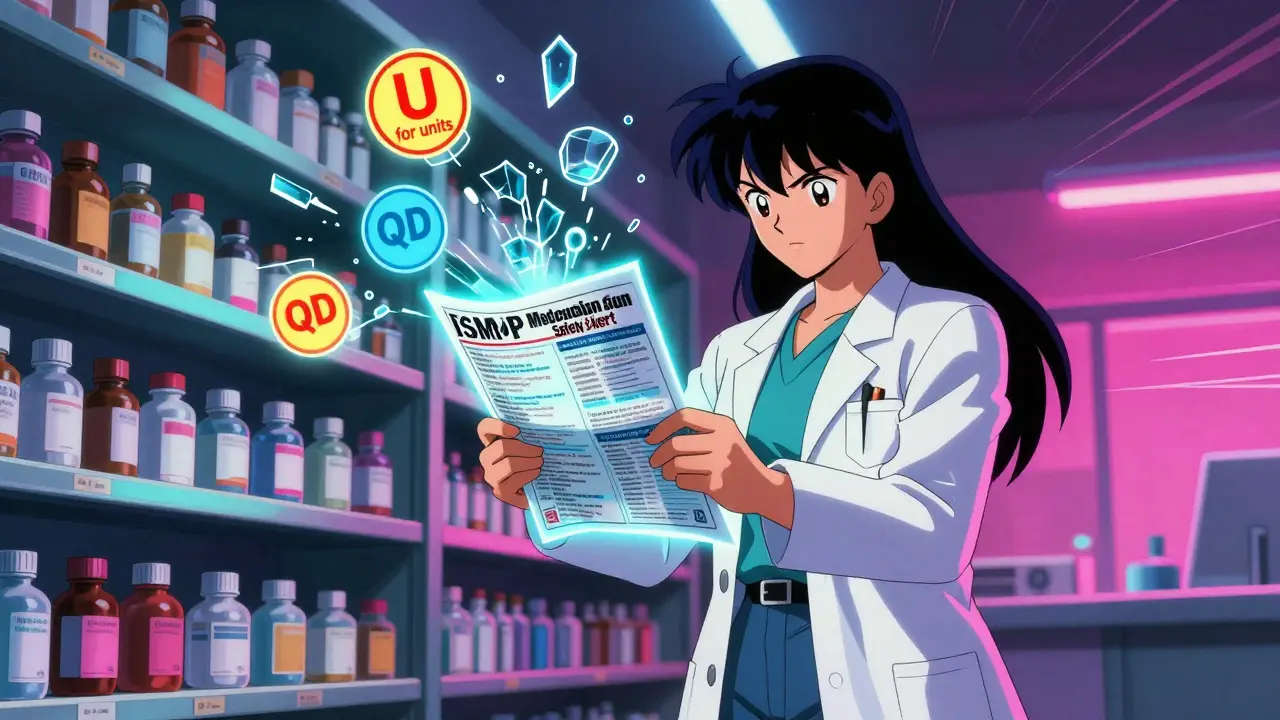
Learn how to follow critical medication safety updates from ISMP, FDA, ASHP, and WHO to prevent preventable errors. Get practical steps for subscribing, acting on alerts, and building a safety routine-even with limited time or budget.
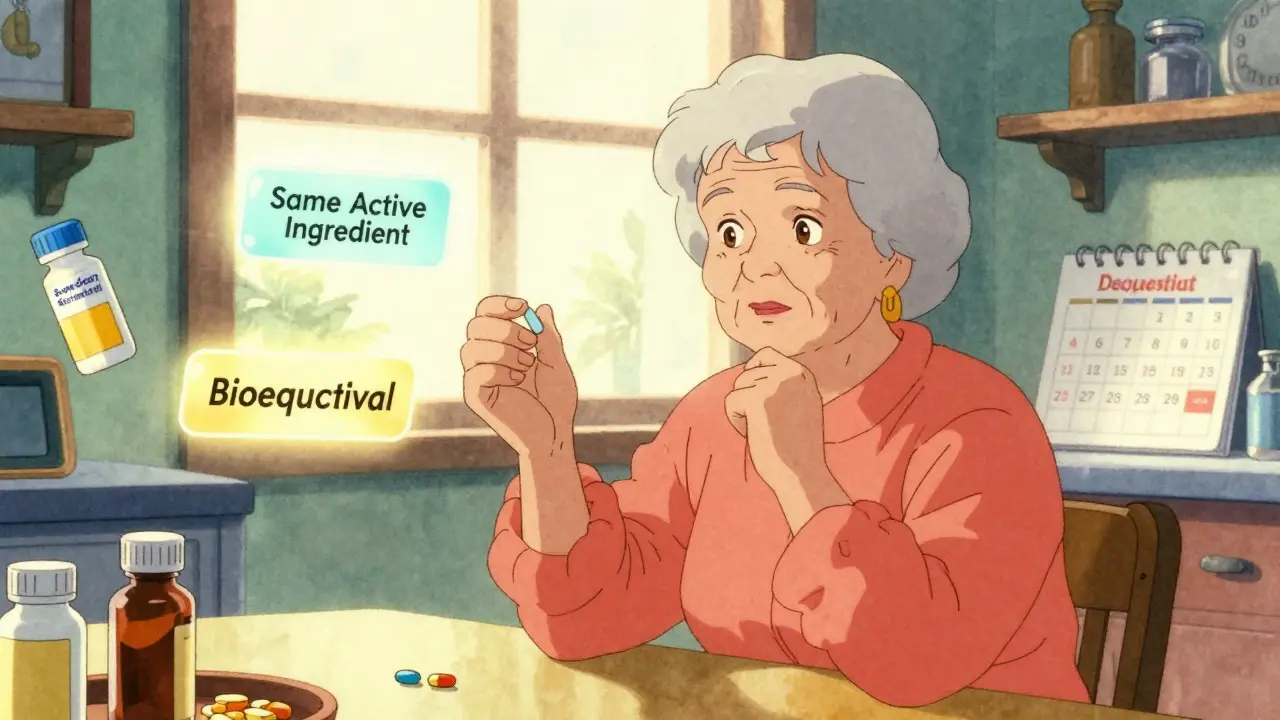
Elderly patients switching to generics can save money, but age-related changes in metabolism, polypharmacy, and health literacy make safety a real concern. Learn which drugs need extra caution and how to avoid dangerous mistakes.
Learn how to report counterfeit or tampered medications step by step. Know what to do if you suspect a fake drug, how to report it in the U.S. and abroad, and why your report could save lives.
Authorized generics are identical to brand-name drugs in every way except the label. Learn how they work, why they're cheaper, and when to ask for them at the pharmacy.
Doctors recommend generics because they work just as well and save money - but patients often distrust them. This article explains why generics are safe, why doctors still hesitate to prescribe them, and how to overcome psychological barriers to acceptance.