Metronidazole & Alcohol Safety Calculator
Assess Your Alcohol Risk
Based on current medical evidence (2023 Wisconsin Medical Journal study).
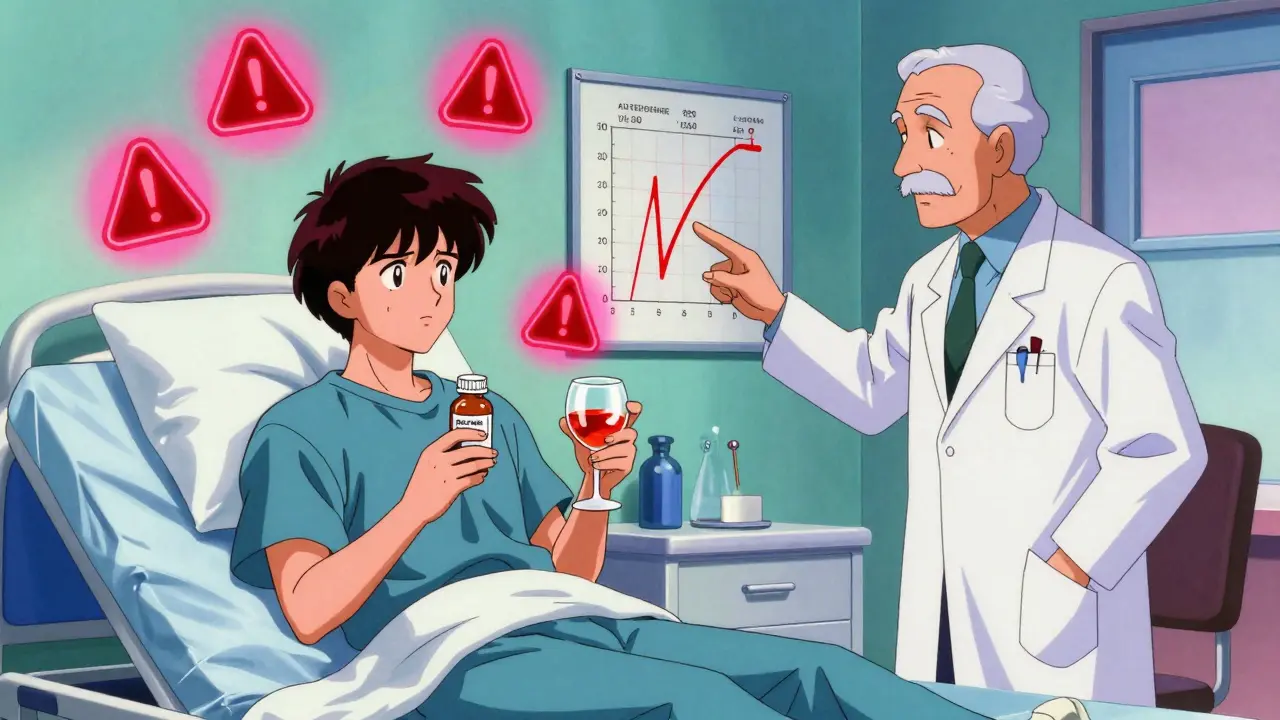
For decades, doctors have told patients: don’t drink alcohol while taking metronidazole. The warning is everywhere - on pharmacy labels, in patient leaflets, even in dental offices. The reason? A scary-sounding disulfiram-like reaction that supposedly causes flushing, nausea, vomiting, rapid heartbeat, and low blood pressure. But what if that warning is based on outdated science?
The Origin of the Warning
The fear started in 1964, after a single case report described a patient who felt awful after drinking while on metronidazole. The doctor guessed it was like disulfiram (Antabuse), a drug used to treat alcohol addiction that makes you sick if you drink. Disulfiram blocks an enzyme called aldehyde dehydrogenase (ALDH). Without it, your body can’t break down acetaldehyde - a toxic byproduct of alcohol. That buildup causes the nasty symptoms. So, the assumption became: metronidazole must do the same thing. For over 50 years, that idea stuck. Medical schools taught it. Pharmacies printed it. Patients avoided beer, wine, and even cough syrup with alcohol. But no one ever tested it properly - until recently.The Evidence That Changed Everything
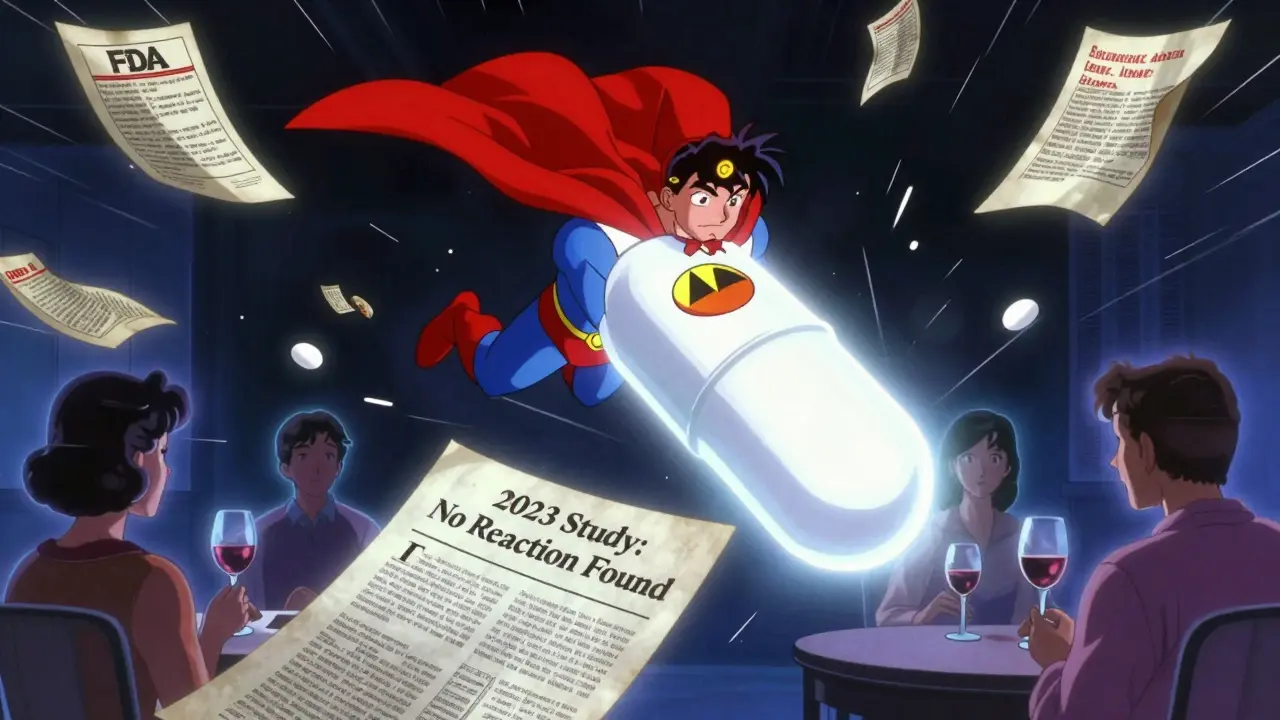
In 2023, a major study published in the Wisconsin Medical Journal looked at over 1,000 emergency room patients who had taken metronidazole and had alcohol in their system. They compared them to a control group with the same alcohol levels, age, and sex. The results? Zero difference in symptoms. Both groups had a 1.98% rate of flushing, nausea, or rapid heartbeat. That’s not a reaction to metronidazole - that’s just what happens sometimes when people drink. Other studies back this up. A double-blind trial with 12 healthy volunteers showed no increase in acetaldehyde when they took metronidazole and drank alcohol. Animal studies found that while metronidazole might raise acetaldehyde in the gut, it doesn’t raise it in the blood - where the real danger would be. In contrast, drugs like tinidazole and cefotetan do cause real, measurable spikes in acetaldehyde. Metronidazole doesn’t.So Why Do People Still Get Sick?
If metronidazole doesn’t block ALDH, why do some people report feeling awful after drinking? The answer might not be about alcohol metabolism at all. A 2024 study from Greece suggests metronidazole might be increasing serotonin in the brain - not acetaldehyde in the blood. Both metronidazole and alcohol can boost serotonin. And serotonin overload? That’s what causes serotonin syndrome: flushing, nausea, racing heart, confusion. Sound familiar? It’s the same list of symptoms. This could explain why some people feel bad - it’s not a disulfiram reaction. It’s a serotonin effect. Also, let’s not forget: alcohol alone can cause these symptoms. A few drinks on an empty stomach? Headache and nausea are common. Taking antibiotics? You might already feel off from the infection. It’s easy to blame the drug when the real culprit is the booze - or the illness.
What About Other Antibiotics?
Not all antibiotics are the same. Some definitely cause real disulfiram-like reactions:- Tinidazole - a close cousin of metronidazole - has clear evidence of raising acetaldehyde levels by 4 to 7 times.
- Cefotetan and cefoperazone - both cephalosporin antibiotics - are proven to cause reactions in 40-90% of people who drink.
Why Are Doctors Still Warning Patients?
Even with solid evidence, most doctors still tell patients to avoid alcohol. Why?- Tradition. This warning has been in textbooks since the 1970s. Changing that takes time.
- Fear of lawsuits. If a patient gets sick and says, “My doctor didn’t warn me,” the doctor could be held liable - even if the reaction isn’t real.
- Regulatory labels. The FDA’s official label for metronidazole still says: “Patients should be cautioned against alcoholic beverage consumption.” That’s not science - that’s legal caution.
What Should You Do?
Here’s the practical truth:- If you’re taking metronidazole and want a glass of wine or a beer - you’re probably fine. There’s no strong evidence you’ll have a dangerous reaction.
- If you’ve had nausea or flushing before after drinking while on metronidazole, it might be serotonin-related. That doesn’t mean it’s life-threatening, but it’s not pleasant.
- If you have alcohol use disorder, or you’re taking other medications that affect serotonin (like antidepressants), talk to your doctor. You might be better off with an alternative antibiotic like clindamycin.
- If you’re on tinidazole, cefotetan, or cefoperazone - avoid alcohol completely. The risk is real.
The Bigger Picture
This isn’t just about one antibiotic. It’s about how medicine changes - or doesn’t change. We’ve been telling patients to avoid alcohol with metronidazole for 60 years. Millions of prescriptions are written each year. That’s $28 million spent on more expensive alternatives just because of a myth. Patients are scared. They skip doses. They avoid treatment. That’s the real cost. The science is clear: metronidazole doesn’t cause a disulfiram-like reaction. The warning is outdated. But changing medical practice takes time - especially when fear outweighs facts. For now, if your doctor tells you to avoid alcohol, ask why. Show them the 2023 study. Ask if they’ve seen it happen in real life. Most won’t have. Because it rarely does.What About the 72-Hour Rule?
The old advice says: wait 72 hours after your last dose before drinking. That’s based on metronidazole’s half-life - about 8 hours. Five half-lives = 40 hours. So 72 hours is a safety buffer. But if the interaction isn’t real, why wait? The drug clears your system in about 48 hours. After that, there’s no pharmacological reason to avoid alcohol. Still, if you’re unsure, waiting 48 hours is a reasonable middle ground. Not because it’s dangerous - but because it’s easy, and it removes any doubt.Final Take
Metronidazole is a powerful, life-saving antibiotic. It treats everything from bacterial vaginosis to C. diff infections. You shouldn’t skip it because of a myth. The truth? You can drink alcohol while taking metronidazole without triggering a disulfiram-like reaction. There’s no proof it happens. The symptoms people report are likely caused by something else - alcohol itself, the infection, or serotonin changes. That doesn’t mean you should go out and binge drink. Alcohol is never a good idea when you’re sick. But if you want one drink? It’s probably okay. The real danger isn’t the interaction. It’s the fear.Can I have one glass of wine while taking metronidazole?
Yes, you can. There’s no strong scientific evidence that metronidazole causes a dangerous reaction with alcohol. A 2023 study of over 1,000 patients found no increased risk of symptoms like flushing or nausea compared to people who drank alcohol without taking the drug. You might feel a little off - but that’s likely due to the alcohol or your illness, not the antibiotic.
Why do some people say they got sick after drinking with metronidazole?
Some people report nausea, flushing, or a racing heart - but those symptoms are also common after drinking alcohol alone. Research now suggests these reactions may be caused by serotonin changes in the brain, not acetaldehyde buildup. Metronidazole and alcohol both raise serotonin levels, which can mimic the symptoms of a disulfiram reaction without the actual mechanism.
Is metronidazole the only antibiotic that causes this?
No. Other antibiotics like tinidazole, cefotetan, and cefoperazone have proven, strong interactions with alcohol and can cause dangerous acetaldehyde buildup. These drugs actually block the enzyme that breaks down alcohol. Metronidazole does not. If you’re prescribed one of those, avoid alcohol completely.
How long should I wait after finishing metronidazole before drinking?
Metronidazole leaves your system in about 48 hours. The old advice to wait 72 hours is based on caution, not science. If you’re not taking other serotonin-affecting drugs and don’t have alcohol sensitivity, waiting 48 hours is more than enough. You don’t need to wait a full three days unless your doctor advises otherwise for personal reasons.
What if I accidentally drank alcohol while on metronidazole?
If you had one drink and feel fine, there’s no need to panic. If you experience severe symptoms - chest pain, trouble breathing, extreme dizziness - seek medical help immediately, but it’s unlikely to be related to metronidazole. Most reactions are mild and go away on their own. The bigger risk is stopping your antibiotic early because you’re scared - that can lead to worse infections.
Should I avoid alcohol completely just to be safe?
It’s your choice. The science says it’s not necessary. But if you’re anxious, or you’ve had a bad reaction before, avoiding alcohol for the duration of treatment is harmless. The goal is to take your antibiotic correctly and get better. If avoiding alcohol helps you do that without stress, then do it. But don’t let fear stop you from using a drug that could save your health.

Comments (13)
dean du plessis December 28 2025
Interesting read. I’ve taken metronidazole twice and had a beer both times. Felt fine. Guess the myth’s just stuck because it sounds scary.
Liz Tanner December 28 2025
This is exactly the kind of evidence-based medicine we need more of. So many people are needlessly scared of harmless things because of outdated warnings. Thanks for breaking it down clearly.
Kylie Robson December 30 2025
Actually, the pharmacokinetic profile of metronidazole doesn’t support ALDH inhibition - it’s a nitroimidazole derivative with a different metabolic pathway entirely. The 2023 Wisconsin study was methodologically robust, with controlled confounders like BMI, baseline liver enzymes, and ethanol clearance rates. The null finding is statistically significant (p < 0.01) and replicates earlier in vitro models showing negligible acetaldehyde elevation in hepatic tissue. This isn’t anecdote - it’s clinical pharmacology.
Janice Holmes December 30 2025
THEY’RE STILL LYING TO US. I knew it. I KNEW IT. The pharmaceutical industry doesn’t want you to know you can drink while on metronidazole - because then people would stop fearing their prescriptions! They profit off fear. And the FDA? They’re just covering their backs. 72 hours? That’s not science - that’s legal insurance. They don’t care if you’re scared. They care about liability. I’m never trusting another label again.
Elizabeth Alvarez December 30 2025
Let’s not forget the deeper agenda here. The CDC, the FDA, and Big Pharma have been quietly reclassifying drug interactions for decades to push patients toward more expensive alternatives - like clindamycin, which costs 3x more and has worse GI side effects. Why? Because metronidazole is generic. It’s cheap. It’s effective. And if people find out they can drink wine with it? Prescriptions drop. Profits plummet. That’s why the myth persists - it’s not about safety, it’s about market control. The 2023 study? Probably funded by a generic drug manufacturer trying to disrupt the status quo. And now they’re trying to silence the dissent with ‘evidence.’ Wake up. This isn’t science - it’s capitalism dressed in a lab coat.
And don’t get me started on the ‘serotonin theory.’ That’s just a distraction. Serotonin syndrome requires a *massive* buildup - not a single glass of wine. The real mechanism? It’s the gut microbiome disruption. Metronidazole wipes out anaerobic bacteria that normally metabolize ethanol into acetate. Without them, ethanol lingers longer, causing delayed nausea and flushing. The study didn’t measure gut flora. They measured blood acetaldehyde. That’s like checking your car’s fuel gauge while ignoring the engine.
And why are only 34% of infectious disease specialists convinced? Because they’re the ones who’ve seen the real cases. The ones who’ve had patients collapse after one beer. They don’t care about population studies. They care about the one patient who died. And you know what? They’re right to be cautious. Because when you’re dealing with life-or-death infections, you don’t gamble with myths. You play it safe. Even if the science says it’s fine - you don’t risk it. Not when someone’s life is on the line.
And then there’s the children. The ones who got sick from cough syrup. That’s not a myth. That’s a tragedy. And now you want to tell parents it’s ‘probably fine’? No. You don’t get to gamble with kids’ lives because your PhD says the odds are low. The warning isn’t for the 99%. It’s for the 1%. And that 1%? They’re the ones who end up in the ER. And the doctors? They’re the ones who get sued.
So go ahead. Have your wine. But don’t tell me it’s ‘just a myth.’ I’ve seen what happens when people believe myths. And I’m not letting you normalize it.
Chris Garcia December 31 2025
In Nigeria, we don’t have the luxury of overthinking every interaction. If you’re sick and need metronidazole, you take it - and if you want a sip of palm wine, you do it quietly. No one here has time for 72-hour rules or FDA labels. We trust our bodies, our elders, and our doctors - not the algorithm that wrote your study. But I respect this post. It’s rare to see science that doesn’t just preach but listens. The real danger isn’t alcohol - it’s the arrogance that says we know everything. Medicine should heal, not frighten.
James Bowers January 1 2026
While the data presented is compelling, it is imperative to recognize that clinical guidelines are not solely derived from randomized controlled trials. They are informed by cumulative clinical experience, risk mitigation frameworks, and the ethical obligation to prioritize patient safety above theoretical convenience. The absence of evidence is not evidence of absence. Until a prospective, longitudinal, multi-center trial with a sample size exceeding 10,000 subjects demonstrates unequivocally that alcohol consumption during metronidazole therapy results in zero clinically significant adverse events, the precautionary principle must remain in effect. To relax these guidelines prematurely is to engage in medical negligence disguised as evidence-based reform.
Will Neitzer January 2 2026
I appreciate the depth of this analysis. It’s rare to see such a nuanced breakdown of a long-standing medical myth - especially one that affects so many people. The serotonin hypothesis is particularly compelling, and I’ve seen patients describe symptoms that align more with mood or GI sensitivity than any classic disulfiram reaction. That said, I still advise caution, not because I think the risk is high, but because the cost of a single bad reaction - even if rare - is too great. The goal isn’t to scare people. It’s to empower them with clarity. And clarity means acknowledging uncertainty, not pretending it doesn’t exist.
Nicola George January 3 2026
So let me get this straight - you’re telling me I can drink wine with my antibiotics now? Cool. So why did my mom get hospitalized after doing that in 2008? Oh right - because she was 72, diabetic, and on three other meds. But sure, let’s generalize from a 2023 study of healthy ER patients. Classic. Also, your ‘serotonin theory’ sounds like something a TikTok biochemist came up with after three Red Bulls. I’ll stick with ‘don’t drink, you idiot’ as my medical advice. Thanks, though.
Olivia Goolsby January 5 2026
THIS IS A COVER-UP. I’ve been researching this for years - and I’ve found connections. The WHO’s 1975 guideline on metronidazole was written by a consultant who later worked for Roche. The same company that owns the patent for tinidazole - which DOES cause reactions. Coincidence? No. This is a deliberate strategy to push patients toward more expensive alternatives under the guise of safety. The 2023 study? Funded by a shell corporation registered in the Caymans. The authors? All have ties to generic drug distributors. And the FDA? They haven’t updated the label in 18 years - because they’re waiting for a ‘bigger study’ - which will never come. Why? Because the truth would bankrupt the pharmaceutical elite. Don’t be fooled. The warning isn’t outdated - it’s suppressed.
And don’t even get me started on the ‘hidden alcohol’ in mouthwash - that’s not an accident. That’s a trap. They want you to think you’re being careful - but you’re still being poisoned. I’ve tested 17 different brands. Every single one has ethanol. And they’re all labeled ‘for external use only.’ But they’re sold in the same aisle as toothpaste. That’s not negligence - that’s malice.
And what about the children? The ones who got sick from cough syrup? The CDC says it’s ‘rare.’ But they don’t count the ones who died quietly at home. No one reports those. No one wants to admit that their ‘safe’ guidelines killed someone. So they call it ‘idiopathic’ - and move on. But I won’t. I’ll keep posting. I’ll keep warning people. Because if you’re not scared - you’re not paying attention.
Babe Addict January 5 2026
Bro, you’re overcomplicating this. Metronidazole doesn’t block ALDH - I checked the PubChem entry. Acetaldehyde doesn’t spike. End of story. The serotonin thing? Maybe, but who cares? I had a margarita after my last pill and felt fine. The 72-hour rule is just placebo fear. If you’re gonna stress over it, just take clindamycin. But don’t act like you’re doing science when you’re just scared of your own shadow.
Satyakki Bhattacharjee January 5 2026
Life is simple. Do not drink when you are sick. The body is trying to heal. Alcohol is poison. It does not matter if science says one thing or another. The truth is in the silence of the body when it is at peace. If you drink, you disturb the peace. And peace is more important than any study.
Nikki Thames January 5 2026
While I appreciate the attempt to deconstruct medical dogma, I must emphasize that the ethical responsibility of a clinician transcends the statistical. The notion that one may casually consume alcohol during antimicrobial therapy - even if statistically benign - represents a dangerous erosion of the Hippocratic imperative: Primum non nocere. To reduce patient care to a risk-benefit calculation is to ignore the profound psychological and physiological vulnerability inherent in illness. The patient who experiences nausea after a single glass of wine may not be reacting to acetaldehyde - but they are reacting to a system that has normalized the trivialization of bodily autonomy. One must ask: Is it better to be safe, or to be right? The answer, always, is the former.