Category: Pharmaceuticals - Page 4
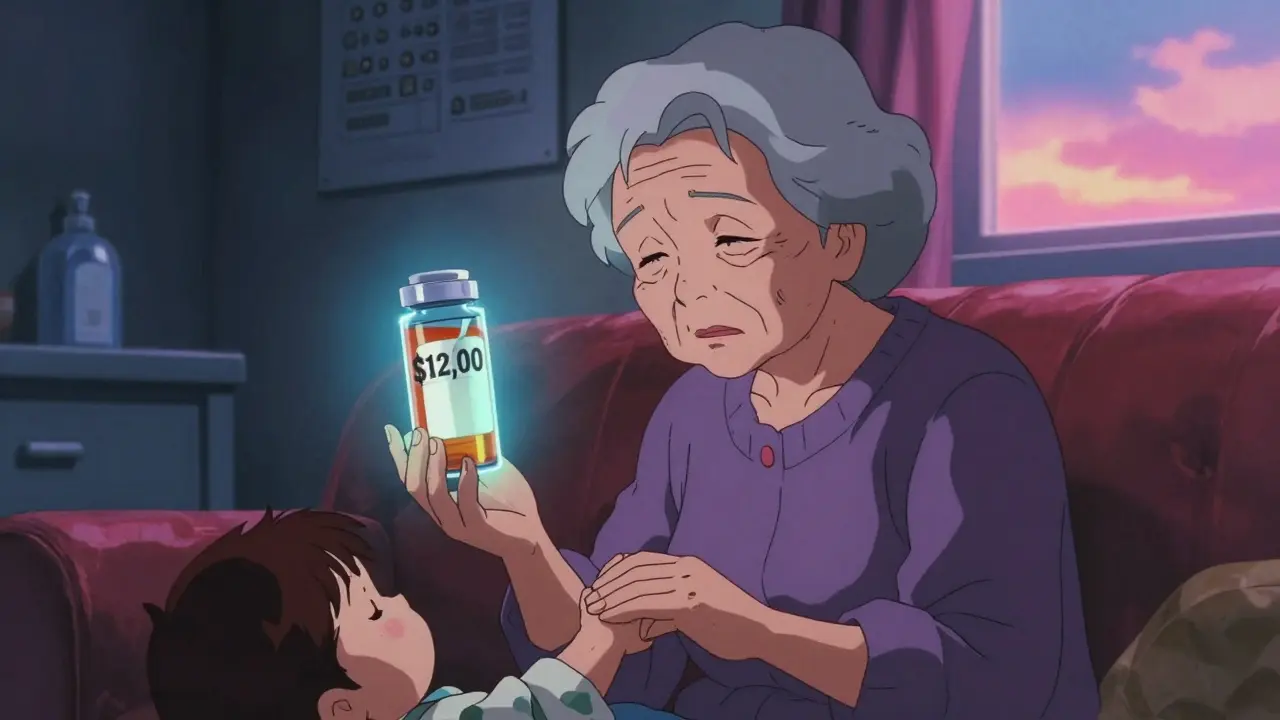
Expensive medications can save lives - but only when their benefits outweigh their cost and side effects. This article breaks down when high-priced drugs make sense, how to navigate insurance, and what real patients are facing in 2026.
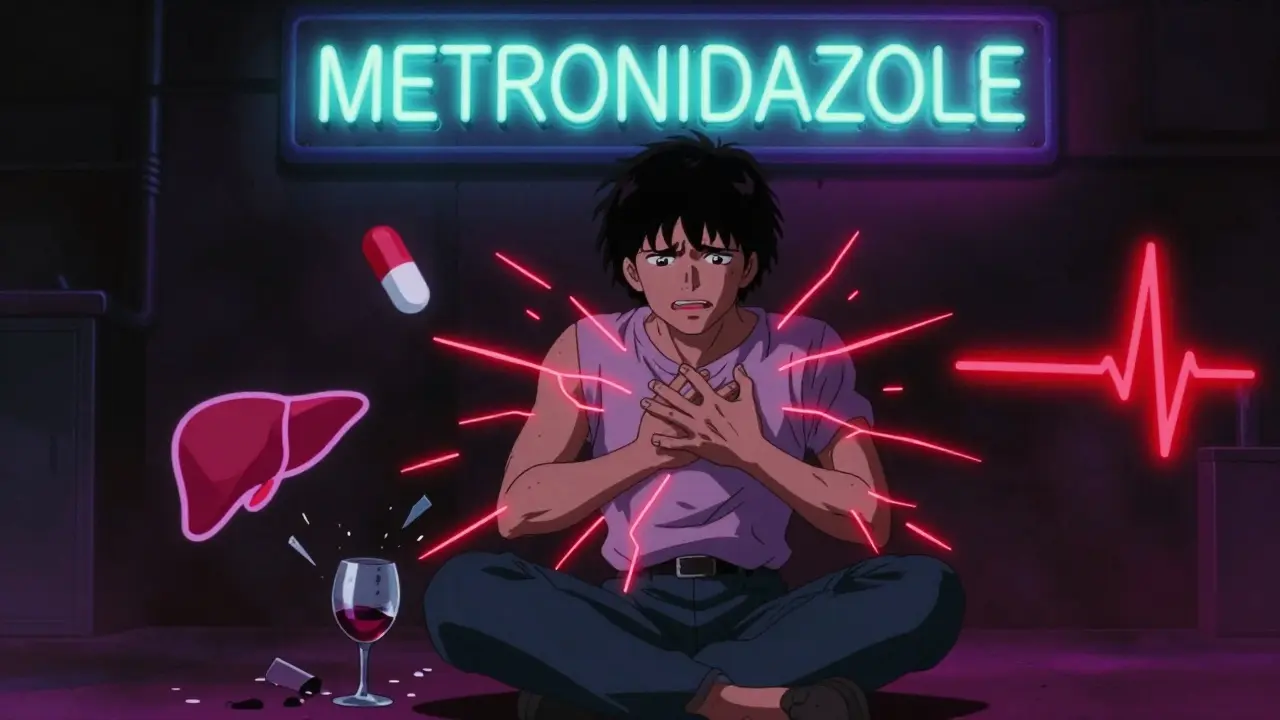
Alcohol can dangerously interact with many medications, increasing risks of liver damage, overdose, and even death. Learn which drugs are most risky, how to stay safe, and what to do if you've mixed alcohol with your meds.
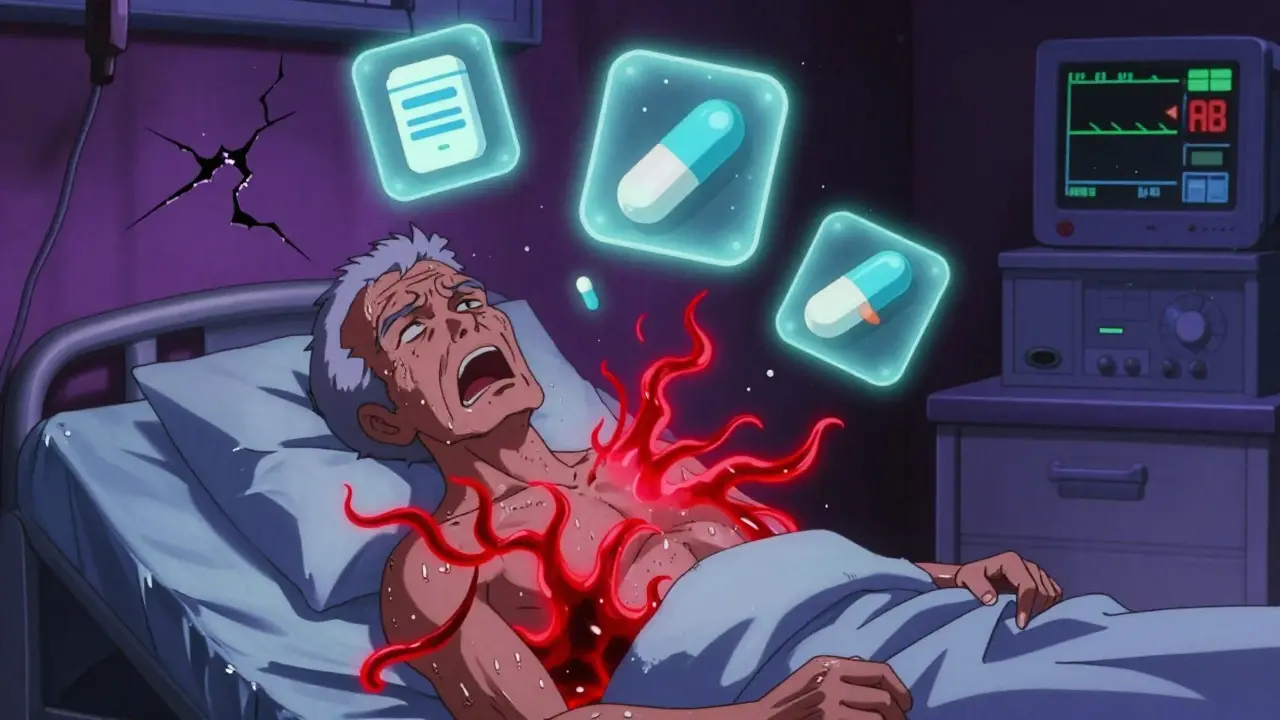
Lactic acidosis from medications is rare but deadly, often missed until it's too late. Common drugs like metformin, albuterol, and linezolid can trigger it-especially in older adults or those with kidney issues. Early detection saves lives.
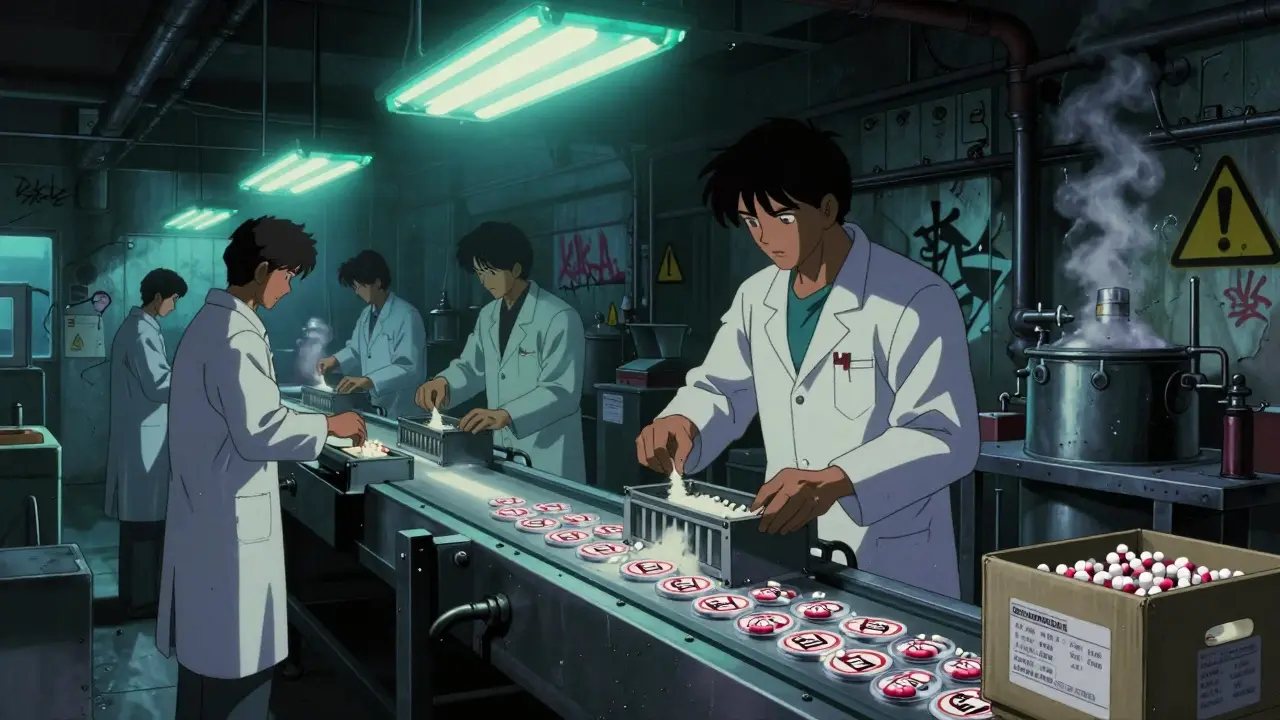
Fake generic drugs are infiltrating global supply chains with alarming sophistication. Learn how counterfeiters exploit loopholes, evade detection, and put lives at risk-and what you can do to protect yourself.
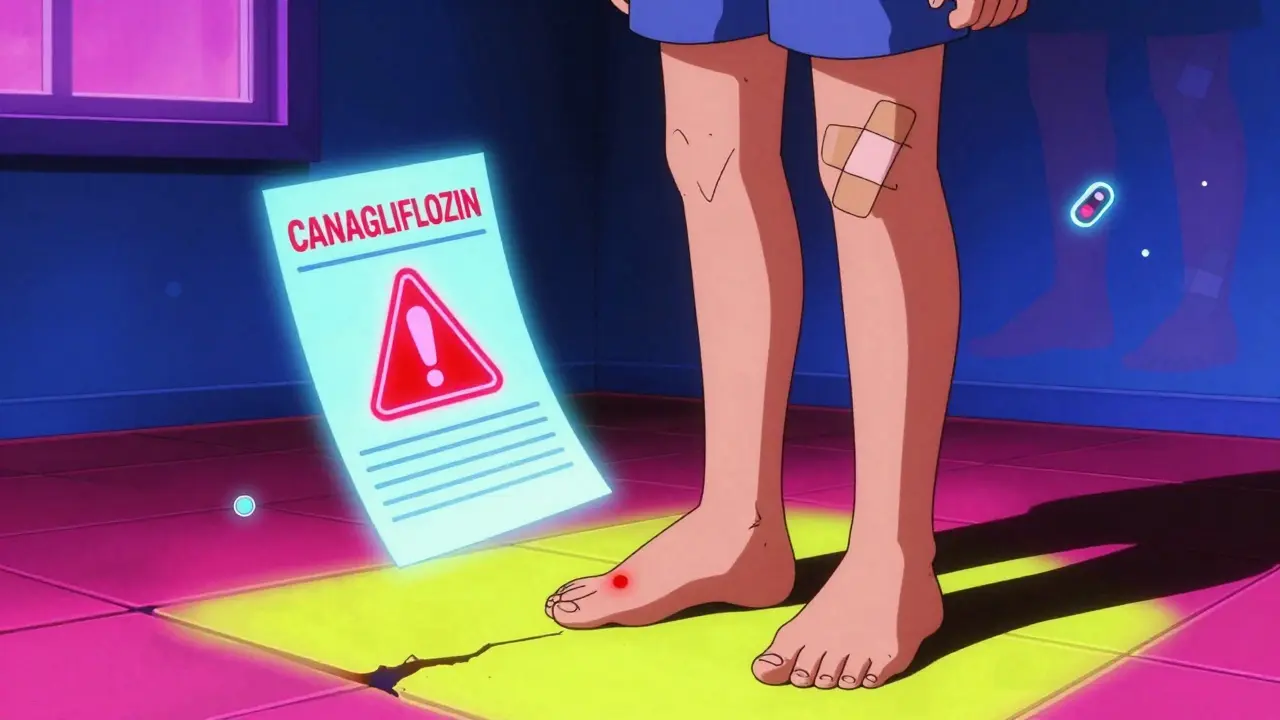
Canagliflozin (Invokana) carries a known risk of lower-limb amputation, especially in people with poor circulation or foot damage. Learn who’s at risk, how to prevent complications, and safer alternatives available today.
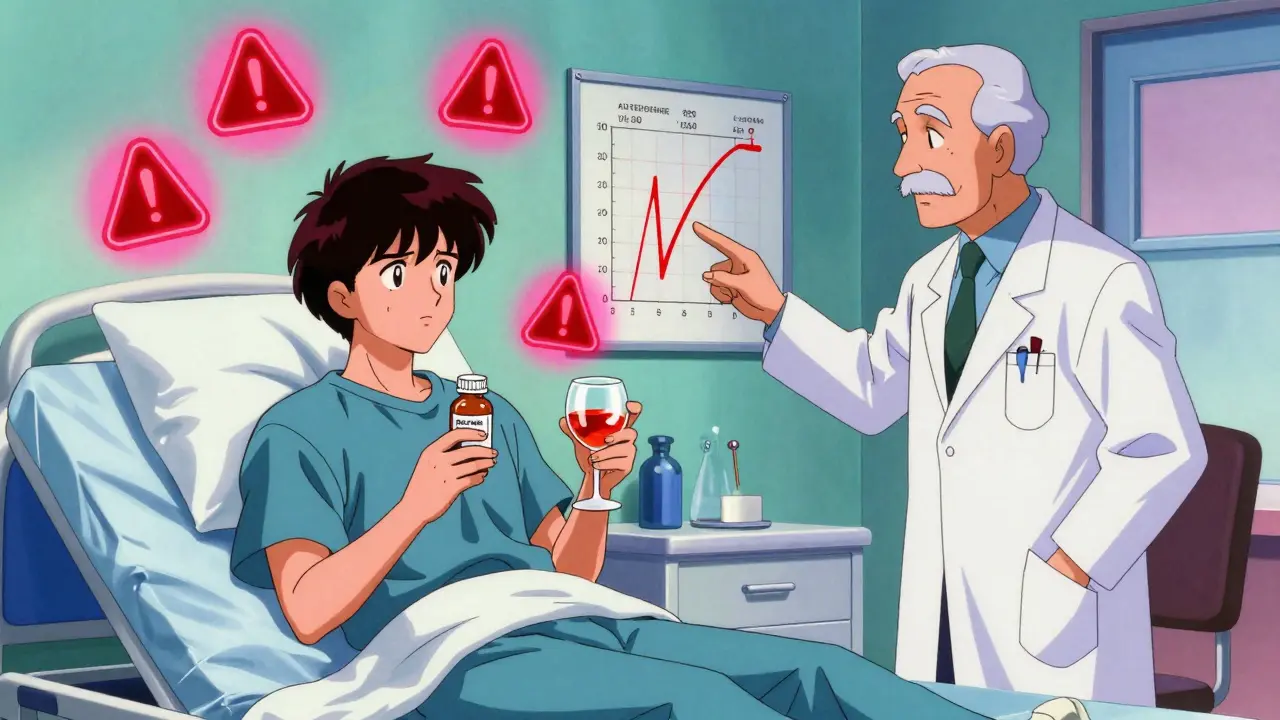
Metronidazole and alcohol don't cause the dangerous disulfiram-like reaction once believed. New evidence shows symptoms are likely due to serotonin changes or alcohol alone - not a toxic interaction. Here's what you really need to know.
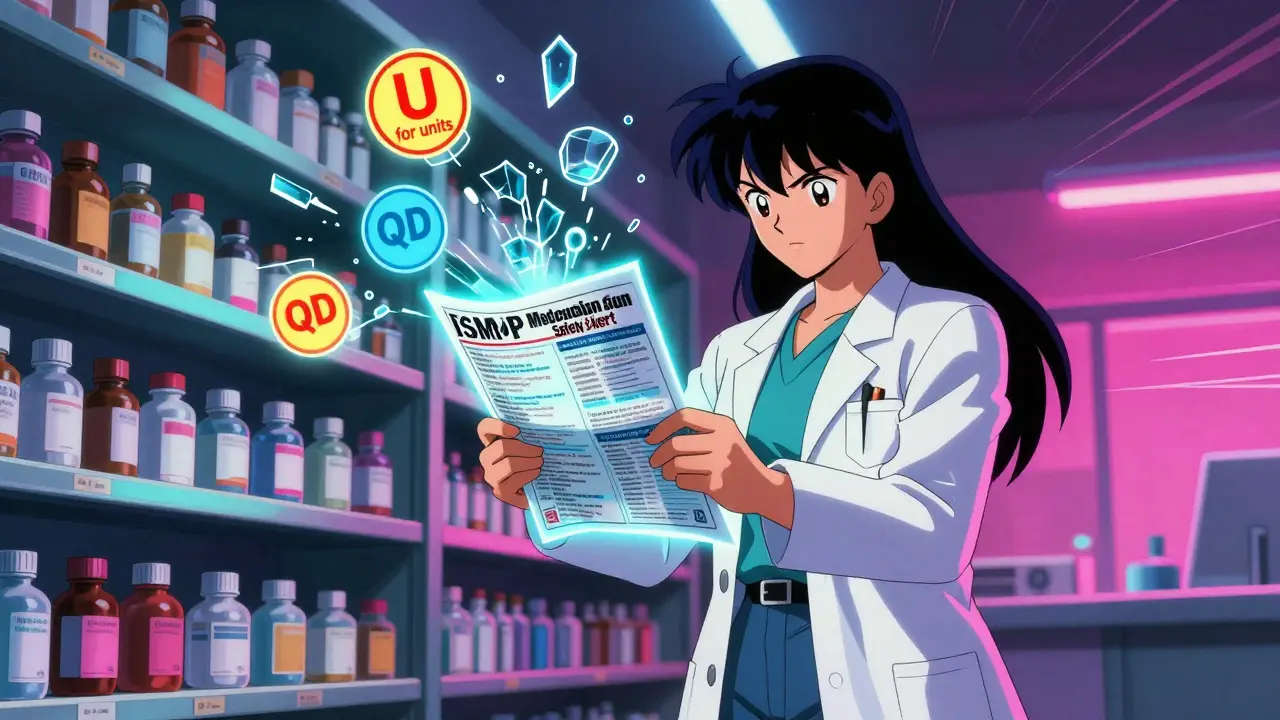
Learn how to follow critical medication safety updates from ISMP, FDA, ASHP, and WHO to prevent preventable errors. Get practical steps for subscribing, acting on alerts, and building a safety routine-even with limited time or budget.
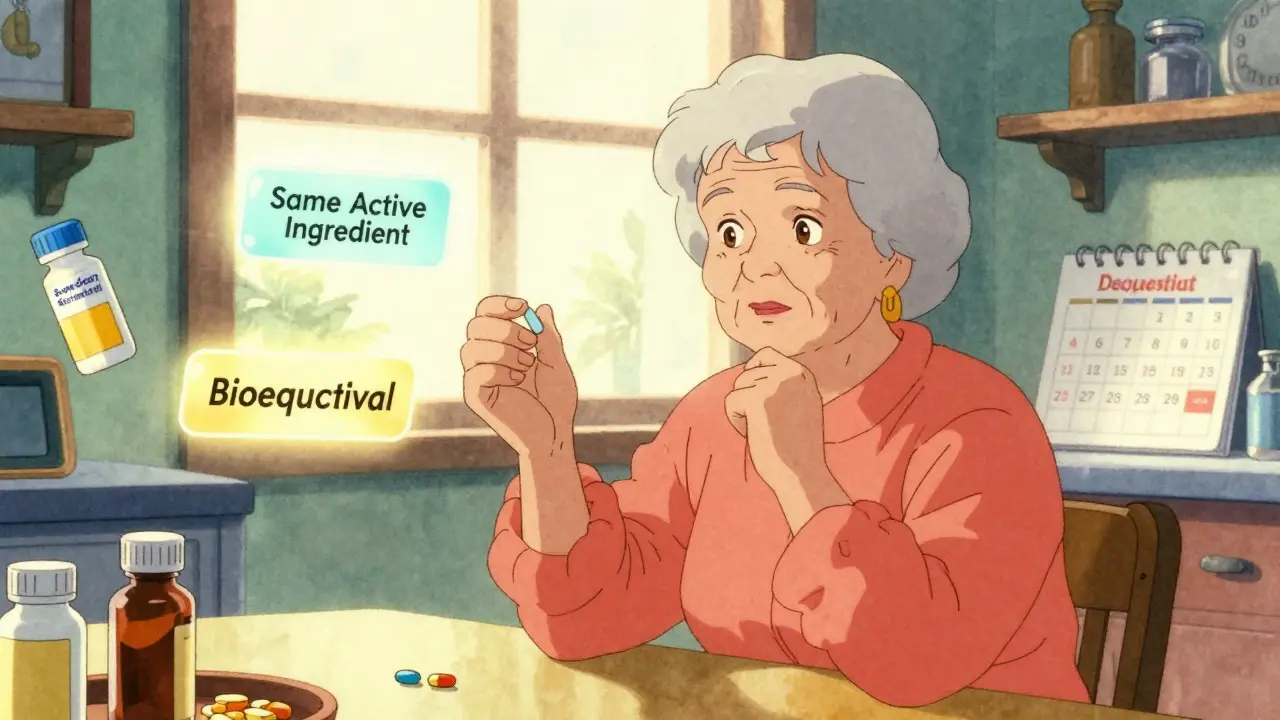
Elderly patients switching to generics can save money, but age-related changes in metabolism, polypharmacy, and health literacy make safety a real concern. Learn which drugs need extra caution and how to avoid dangerous mistakes.
Learn how to report counterfeit or tampered medications step by step. Know what to do if you suspect a fake drug, how to report it in the U.S. and abroad, and why your report could save lives.
Authorized generics are identical to brand-name drugs in every way except the label. Learn how they work, why they're cheaper, and when to ask for them at the pharmacy.
Doctors recommend generics because they work just as well and save money - but patients often distrust them. This article explains why generics are safe, why doctors still hesitate to prescribe them, and how to overcome psychological barriers to acceptance.
Warfarin and DOACs both prevent dangerous clots, but DOACs are safer and easier for most people. Learn which one is right for you based on kidney health, cost, lifestyle, and medical history.