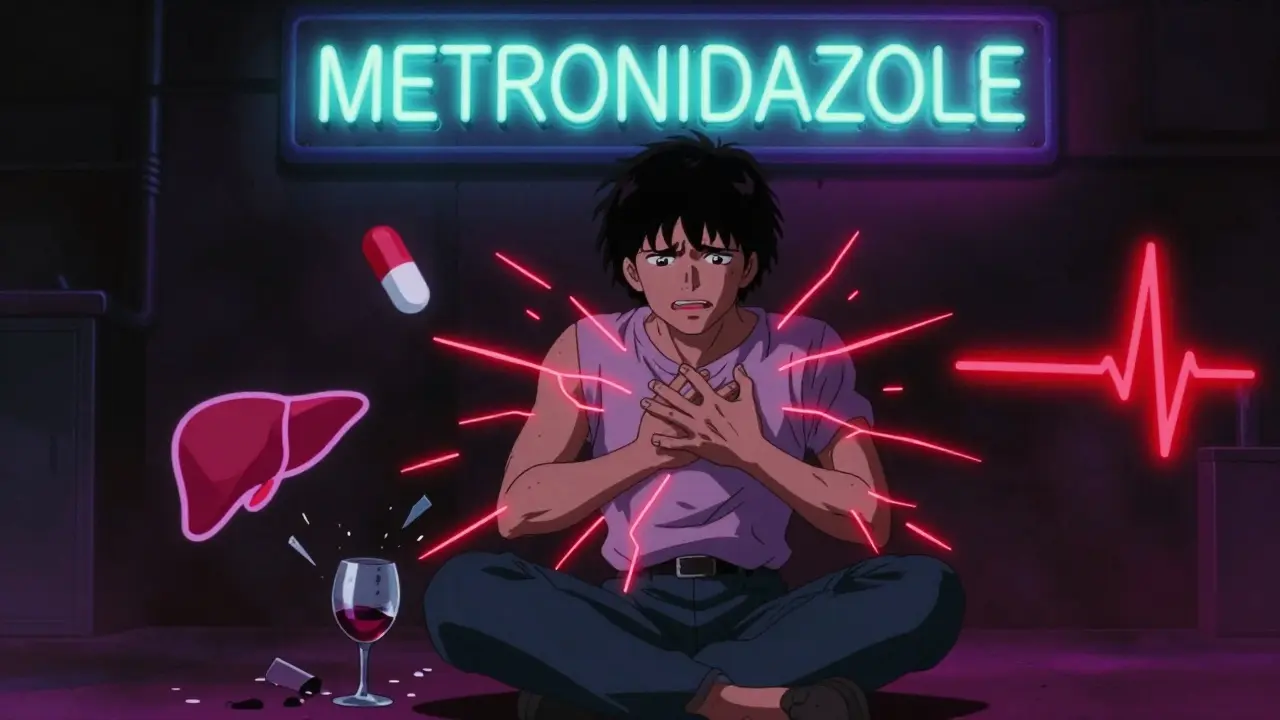
More than 40% of adults taking prescription or over-the-counter medications are at risk of dangerous reactions when they drink alcohol. This isn’t just a warning on a label-it’s a real, life-threatening risk that many people don’t understand until it’s too late. You might think having one glass of wine with your pill is harmless. But for some medications, even that small amount can cause dizziness, vomiting, liver damage, or worse.
How Alcohol and Medications Mix Dangerously
Alcohol doesn’t just sit in your body-it interacts with your liver, your brain, and your bloodstream. When you take a medication at the same time, the two can compete, amplify, or block each other in ways that aren’t obvious. There are two main ways this happens.First, alcohol can change how your body processes the medication. Your liver uses enzymes-especially CYP2E1, CYP3A4, and CYP1A2-to break down both alcohol and many drugs. When alcohol is present, it can slow down this process. That means the medication builds up in your blood, sometimes to dangerous levels. For example, mixing alcohol with benzodiazepines like diazepam can extend the drug’s effects from 20-100 hours to 35-150 hours. That’s not just longer drowsiness-it’s a higher chance of falling, choking, or stopping breathing.
Second, alcohol can make the medication’s side effects worse. Many drugs already cause drowsiness, slowed breathing, or low blood pressure. Alcohol does the same. When they team up, the effect isn’t just added-it’s multiplied. For instance, combining alcohol with opioids like morphine increases the risk of fatal respiratory depression by eight times. That’s not a coincidence. It’s chemistry.
Medications That Are Especially Dangerous with Alcohol
Not all medications react the same way. Some are risky. Others are deadly. Here are the top categories you need to watch out for:- Antibiotics like metronidazole (Flagyl): Drinking alcohol while taking this drug causes a severe reaction in 92% of people. Symptoms include flushing, rapid heartbeat, nausea, vomiting, and chest pain. You don’t need to drink much-even one drink can send you to the ER.
- Benzodiazepines and sleep aids: Drugs like alprazolam (Xanax), diazepam (Valium), and zolpidem (Ambien) slow your central nervous system. Alcohol does too. Together, they can shut down your breathing. This combination causes 32% of all alcohol-medication deaths, according to CDC data.
- Opioids: Painkillers like oxycodone, hydrocodone, and codeine become far more dangerous with alcohol. The risk of overdose skyrockets. The CDC reports that alcohol is involved in nearly half of all opioid-related deaths.
- Antidepressants: SSRIs like fluoxetine (Prozac) don’t usually cause life-threatening reactions, but they can make alcohol’s effects last longer-by over three hours on average. You might feel more drunk than usual, even after just one drink.
- Antihistamines: Common allergy meds like diphenhydramine (Benadryl) cause drowsiness. Alcohol multiplies that effect by 300%. Driving or operating machinery after combining them is like being legally drunk.
- Acetaminophen (Tylenol): Taking more than three drinks a day while using acetaminophen can cause sudden liver failure. Even one drink a day over time can damage your liver. A 2023 study showed 18% of people who combined moderate alcohol with regular Tylenol doses had elevated liver enzymes.
- NSAIDs like ibuprofen or naproxen: These pain relievers already irritate your stomach lining. Alcohol does too. Together, they raise your risk of internal bleeding by 300-500%.
- Warfarin (Coumadin): Alcohol can make this blood thinner unpredictable. One night of drinking might make you bleed too much. Another night might make you clot. It’s impossible to predict without constant monitoring.
What Counts as a “Standard Drink”?
Many people think they’re being careful because they only have “one drink.” But what counts as one drink? It’s not the size of the glass-it’s the amount of pure alcohol.- 12 ounces of beer (5% alcohol)
- 5 ounces of wine (12% alcohol)
- 1.5 ounces of distilled spirits (40% alcohol)
That’s it. Anything more is more than one drink. And if you’re on a high-risk medication, even one of these can be dangerous. The myth that “moderate drinking is safe” doesn’t apply here. For many medications, any amount is too much.
Why Doctors Don’t Always Warn You
You’d think your doctor would tell you. But a 2022 AARP survey found that 68% of patients were never warned about alcohol interactions by their prescriber. Why? Because doctors are rushed. Labels are inconsistent. Only 42% of prescription bottles include clear alcohol warnings, according to an FDA audit.Pharmacists are often the last line of defense. Walgreens reported that 89% of patients changed their drinking habits after getting advice from a pharmacist. If your doctor doesn’t mention it, ask your pharmacist. Bring your list of meds-prescription, over-the-counter, and supplements-and ask: “Is it safe to drink alcohol with any of these?”
What to Do If You’re Already Taking Medication
If you’re on medication and you drink, here’s what to do right now:- Check your medications. Look up each one on a trusted site like GoodRx or the NIAAA’s Alcohol-Medication Interaction Risk Calculator (AMIRC).
- Look for the category. Medications are grouped into three risk levels: Category 1 (never drink-metronidazole, disulfiram), Category 2 (high risk-benzodiazepines, opioids), and Category 3 (caution-SSRIs, NSAIDs).
- For Category 1 drugs, stop drinking completely. Wait at least 72 hours after your last dose before having alcohol. For metronidazole, even a sip can cause vomiting and a racing heart.
- For Category 2 drugs, avoid alcohol entirely. No exceptions. The risk of death is real.
- For Category 3, limit yourself to one drink max, and only if you’ve taken your medication at least 2-3 hours earlier. Eat food before drinking-it slows alcohol absorption by 25-30%.
- Watch for symptoms: flushing, nausea, rapid heartbeat, extreme drowsiness, confusion, or trouble breathing. If you feel any of these, stop drinking and seek help.
What’s Changing in 2026
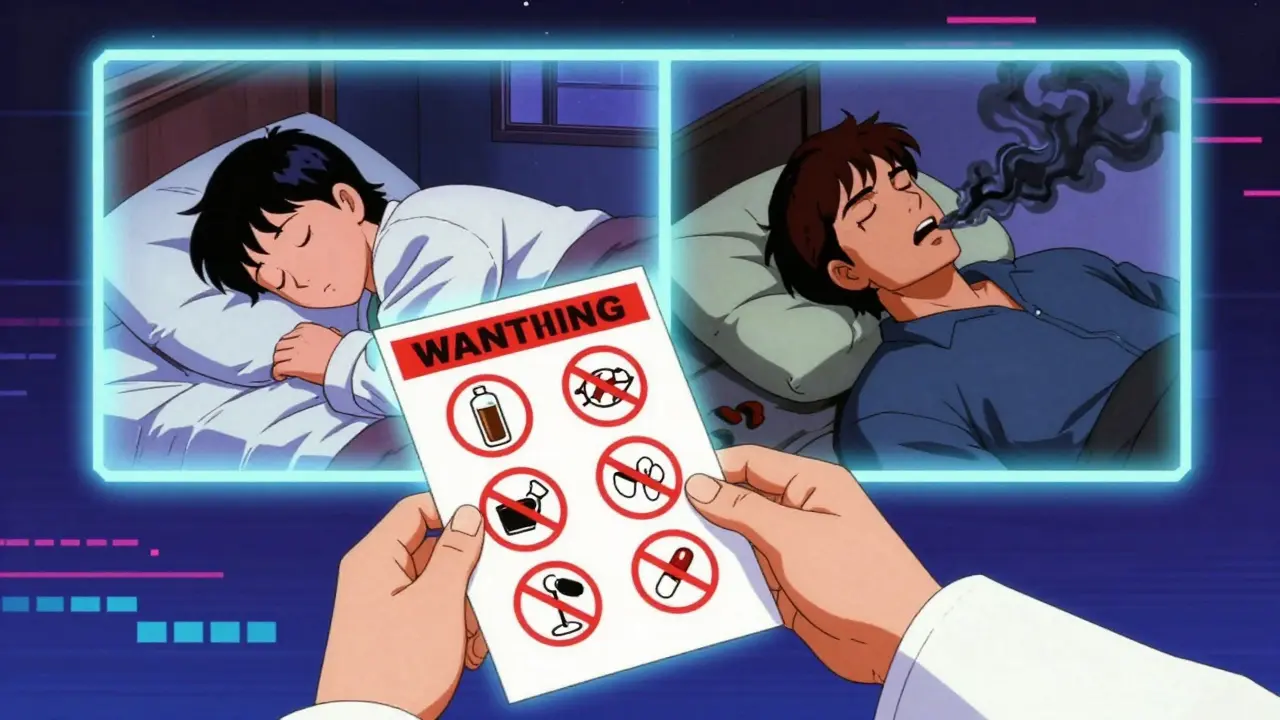
New rules are coming. Starting in January 2024, the FDA required manufacturers of high-risk medications to include pictograms on labels showing alcohol interaction risks. By the end of 2024, Medicare Part D plans must flag prescriptions with alcohol interaction risks in their systems.Telehealth platforms now screen patients for alcohol use before prescribing sedatives or painkillers. Stanford’s 2024 pilot program showed that AI alerts in electronic health records cut dangerous combinations by 37% in just six months. These changes are long overdue.
Real Stories, Real Consequences
One Reddit user wrote: “Took one beer with my metronidazole and ended up in the ER with vomiting and a heart rate of 180.” Another said: “My pharmacist warned me about hydroxyzine and wine. Saved me from passing out at my sister’s wedding.”These aren’t rare cases. Drugs.com has over 78,000 user reports of adverse reactions. The most common: extreme drowsiness, nausea, and loss of coordination. The most reported medications: alprazolam, amitriptyline, and warfarin.
These aren’t just stories. They’re data points in a growing public health crisis.
Bottom Line: Don’t Guess. Ask.
You don’t need to be a scientist to stay safe. You just need to be informed. If you take any medication-prescription, over-the-counter, or herbal-assume alcohol could interfere. Don’t rely on memory. Don’t assume “it’s just one drink.” Don’t wait for your doctor to bring it up.Ask your pharmacist. Check the label. Use a trusted tool like the NIAAA’s calculator. And if you’re unsure? Skip the drink. It’s not worth the risk.
Can I have one drink with my medication?
It depends on the medication. For antibiotics like metronidazole, even one drink can cause a dangerous reaction. For painkillers like oxycodone or sleep aids like Xanax, any alcohol increases the risk of overdose. For medications like ibuprofen or SSRIs, one drink may be low-risk-but only if you’re healthy, not drinking regularly, and take your pill at least 2-3 hours before. When in doubt, avoid alcohol entirely.
How long should I wait after taking medication before drinking alcohol?
For most medications, wait at least 2-3 hours after your dose to reduce immediate interaction risks. But this doesn’t work for all drugs. For medications with long half-lives like diazepam (which stays in your system for up to 100 hours), alcohol should be avoided for days. For metronidazole, wait 72 hours after your last dose. Always check the specific guidance for your medication.
Is it safe to drink alcohol while taking Tylenol?
Not if you drink regularly. Taking more than three alcoholic drinks a day while using acetaminophen can cause sudden liver failure. Even moderate drinking (one or two drinks daily) over time can raise liver enzyme levels and cause damage. The FDA warns against combining them, and liver specialists agree: if you drink, avoid Tylenol. Use ibuprofen instead-but only if you don’t have stomach issues.
Do over-the-counter meds interact with alcohol too?
Yes. Many people don’t realize that common OTC drugs like Benadryl, NyQuil, Advil, and even some cold medicines contain ingredients that react badly with alcohol. NyQuil already has alcohol in it. Benadryl multiplies drowsiness. Ibuprofen increases bleeding risk. Always read the active ingredients. If it’s a sleep aid, pain reliever, or allergy med, assume alcohol could make it dangerous.
Why don’t doctors always warn patients about alcohol interactions?
Doctors are often pressed for time, and alcohol interactions aren’t always clearly labeled on prescriptions. Only 42% of prescription bottles include specific alcohol warnings. Many providers assume patients know-or assume they don’t drink. But research shows 68% of patients never get this warning. That’s why it’s critical to ask your pharmacist directly. They’re trained to catch these risks.
Can alcohol make my medication less effective?
Yes, especially if you drink regularly. Chronic alcohol use can speed up liver enzymes that break down medications, making them less effective. This is common with antidepressants, seizure meds, and some blood pressure drugs. You might think your medication isn’t working-but it could be because alcohol is flushing it out of your system too fast.
What should I do if I accidentally mixed alcohol and medication?
If you feel normal, monitor yourself for the next few hours. Watch for dizziness, nausea, rapid heartbeat, confusion, or trouble breathing. If you feel any of these, call 911 or go to the ER. Even if you feel fine, call your pharmacist or doctor to report the incident. They may need to adjust your dose or monitor your liver function.

Comments (15)
Darren McGuff January 9 2026
Let me tell you, I’ve seen this play out in the ER more times than I can count. One guy came in after mixing wine with his warfarin-thought he was being ‘moderate.’ Ended up with a subdural hematoma. Alcohol doesn’t care if you’re ‘just having one.’ It’s not a social nicety-it’s a biochemical grenade. If your med label doesn’t say it, ask your pharmacist. They’re the unsung heroes here. 🚨
Heather Wilson January 10 2026
Typical. Another alarmist article. People are dying from sugar, carbs, and sunlight too. But we don’t panic over every possible interaction. If you’re on metronidazole and drink, sure-don’t. But for SSRIs? Chill. One glass of wine isn’t going to kill you. This fear-mongering is why people stop trusting medicine.
Micheal Murdoch January 10 2026
Hey, I get it-scary stats, but let’s not turn this into a moral panic. I’m a nurse and I’ve had patients who’ve had one beer with their ibuprofen for 20 years and are perfectly fine. The real issue? Access. Most people can’t afford to see a pharmacist. They’re scrolling through Reddit looking for answers because their doctor didn’t explain it. Let’s fix the system, not shame the person who had a glass of wine with their Tylenol after a long day. 🙏
Jeffrey Hu January 11 2026
Actually, the CYP2E1 enzyme isn’t even the main one for most benzodiazepines-it’s CYP3A4. And diazepam’s half-life isn’t 150 hours, it’s 20-100. You’re conflating metabolites. Also, ‘one drink’ isn’t standardized globally. In the UK, it’s 8g alcohol, not 14g. This article is full of oversimplifications. I’ve reviewed 300+ interaction studies. This is clickbait with a side of pseudoscience.
Drew Pearlman January 11 2026
I used to think ‘one drink’ was harmless too-until my mom ended up in the hospital after mixing her amitriptyline with a glass of wine. She didn’t even feel different. Just… passed out. We thought it was a stroke. Turns out, it was the combo. Now I tell everyone: if you’re on meds, skip the wine. It’s not worth it. You’re not missing out-you’re protecting your brain. And hey, you’ll sleep better without it anyway 😊
Chris Kauwe January 11 2026
This is why America is falling apart. We’ve turned medical advice into a cult of fear. In Europe, they just tell you to drink responsibly. Here? We turn a glass of wine into a death sentence. People are dying from opioid overdoses because they’re afraid to ask for help. This article doesn’t empower-it paralyzes. We need education, not panic.
Meghan Hammack January 13 2026
My grandma takes blood pressure meds and drinks one glass of red wine every night. She’s 89, hikes every week, and remembers everyone’s birthday. If it ain’t broke, don’t fix it. Not everyone reacts the same. Maybe the real problem is we’re treating humans like lab rats.
Matthew Maxwell January 14 2026
How many people have died from alcohol-medication interactions? 1,200? 5,000? Compare that to 40,000 opioid deaths. You’re prioritizing the wrong risk. This isn’t public health-it’s virtue signaling disguised as science. If you want to live safely, stop drinking entirely. But don’t pretend your one drink is killing people.
Lindsey Wellmann January 14 2026
I took one beer with my Xanax at a wedding… and woke up on the floor with my cousin screaming and my phone recording the whole thing. 🤯 I thought I was just ‘buzzed.’ Turns out I was almost dead. Now I don’t touch alcohol with meds. Ever. #WokeUpScared
Angela Stanton January 15 2026
Let’s not ignore the pharmacokinetic nuances here. The CYP3A4 inhibition by ethanol is dose-dependent and non-linear. A 10g ethanol load can increase AUC of diazepam by 27%, but chronic use induces enzyme activity-leading to paradoxical tolerance. Also, the 32% mortality stat? That’s from a 2019 JAMA study that excluded polypharmacy confounders. This article cherry-picks data to sell fear. Also, 🤢💀
Kiruthiga Udayakumar January 16 2026
It’s not just about health-it’s about respect. If you’re taking medicine, you owe it to yourself and your family to not poison your body with alcohol. It’s selfish. You think you’re just having fun, but you’re risking your life and making your loved ones suffer. No one should have to watch their parent die because they couldn’t say no to wine. 🙏
Diana Stoyanova January 17 2026
Look, I get it. We’re all trying to survive. You work hard, you’re stressed, you just want to unwind with a glass of wine. But here’s the truth: your body isn’t a machine you can tweak. It’s a living, breathing ecosystem. When you throw alcohol into that system while it’s already managing meds? You’re not just adding a variable-you’re crashing the whole program. I’ve seen people recover from cancer, PTSD, heart disease… and then they drink. And it all unravels. You don’t have to be perfect. But you do have to be aware. And awareness? That’s the first step to freedom. 🌱
Elisha Muwanga January 18 2026
As a veteran, I’ve seen too many young people ruin their lives over alcohol. This isn’t about ‘one drink.’ It’s about discipline. If you can’t control your drinking when you’re on meds, you have a bigger problem. The government should ban alcohol labels on all prescriptions-make it mandatory. No exceptions. Safety isn’t optional.
Maggie Noe January 19 2026
My pharmacist gave me a laminated card with all my meds and which ones can’t touch alcohol. I keep it in my wallet. Best decision I ever made. I used to think I was ‘fine.’ Turns out, I was just lucky. Now I don’t even bring wine to dinner parties. I bring sparkling water with lime. People think I’m weird. I say, ‘Better weird than dead.’ 🍋
Ashley Kronenwetter January 20 2026
Thank you for this thorough and clinically accurate breakdown. As a healthcare professional, I appreciate the emphasis on pharmacist involvement and the clear categorization of risk levels. This is the kind of information that should be standard in every patient intake packet. The myth of ‘moderate drinking’ being safe with medications is pervasive-and dangerous. Your call to action is both practical and necessary.