Category: Pharmaceuticals - Page 2
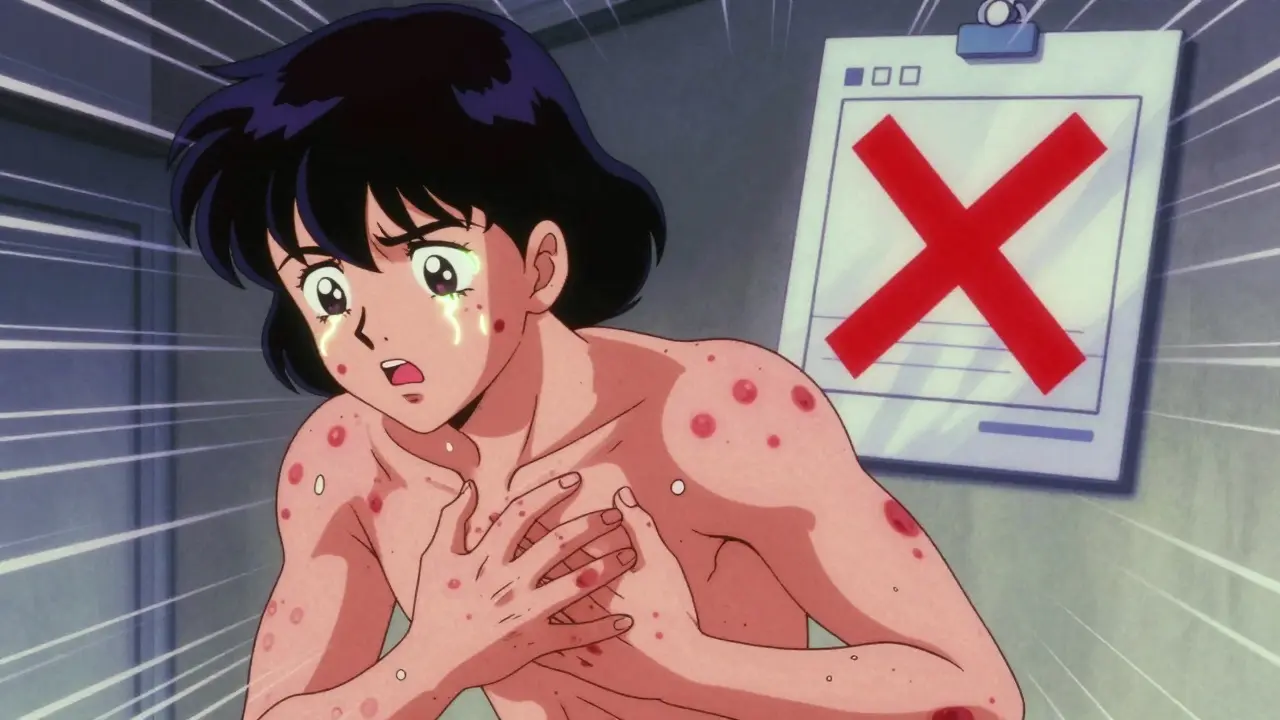
Not all severe drug reactions mean you need to avoid entire medication families. Learn which reactions require permanent avoidance-and which don’t-so you don’t miss out on safe, effective treatments.
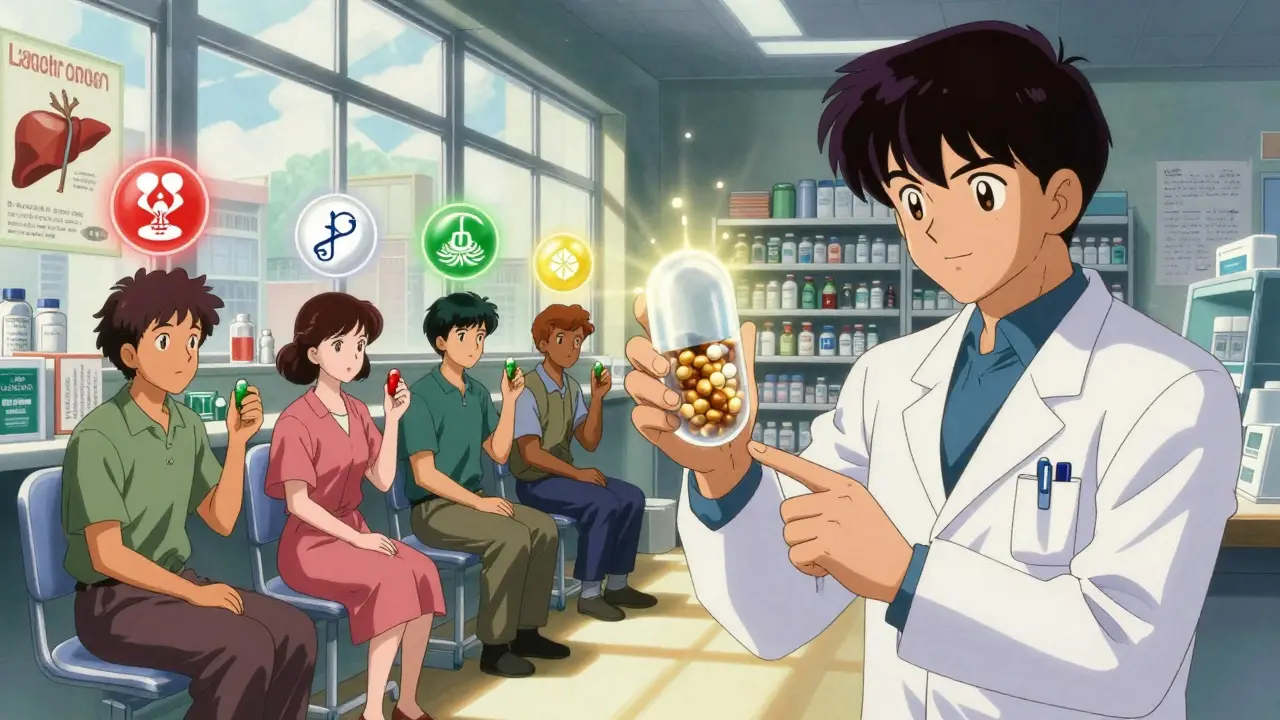
Cultural beliefs shape how patients view generic medications - from pill color to hidden ingredients. Learn why some refuse generics and how healthcare providers can build trust across diverse communities.
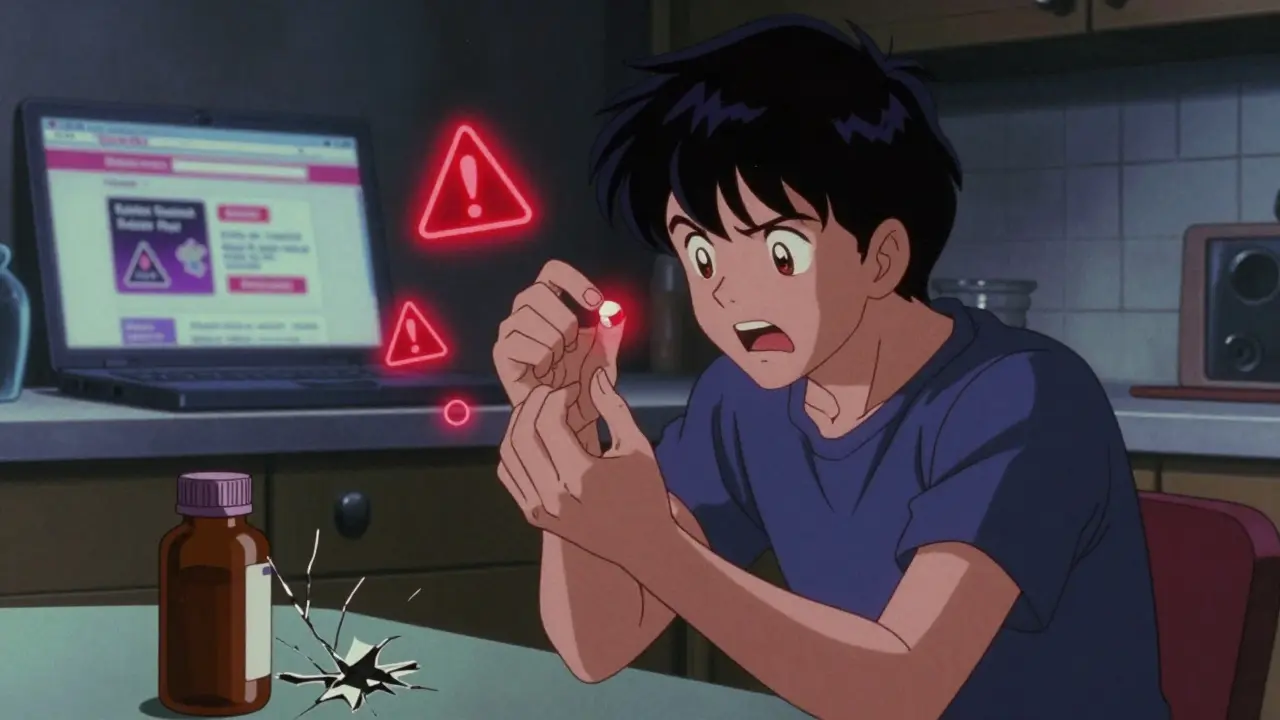
Learn how to report suspected counterfeit drugs to authorities like the FDA. Know the right channels, what info to provide, and how your report helps stop dangerous fake medicines from hurting others.

Buprenorphine offers a safer alternative to full opioid agonists thanks to its ceiling effect, which limits respiratory depression and overdose risk. Learn how it works, its real side effects, and why it’s become a cornerstone of opioid use disorder treatment.
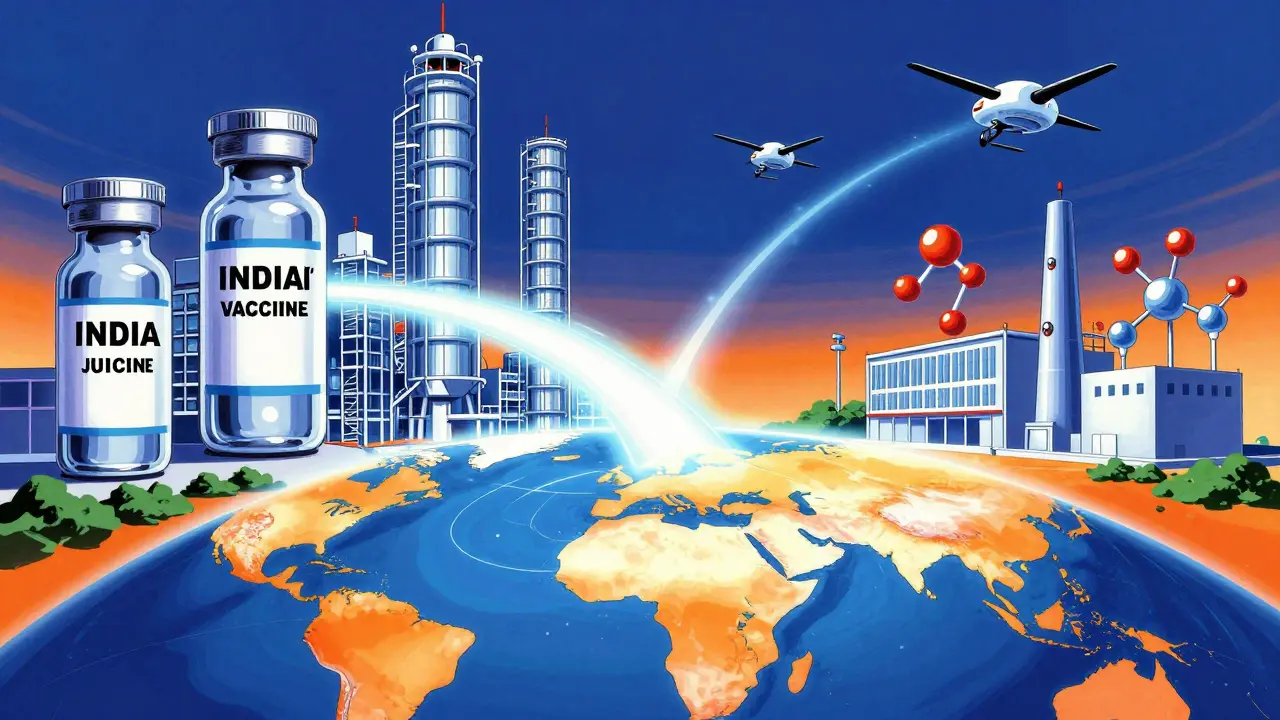
India supplies 60% of global vaccines and China controls 70% of API production. This article explains how these nations shape the generic drug market, their challenges, and the role of emerging economies like Vietnam and Cambodia in the global supply chain.
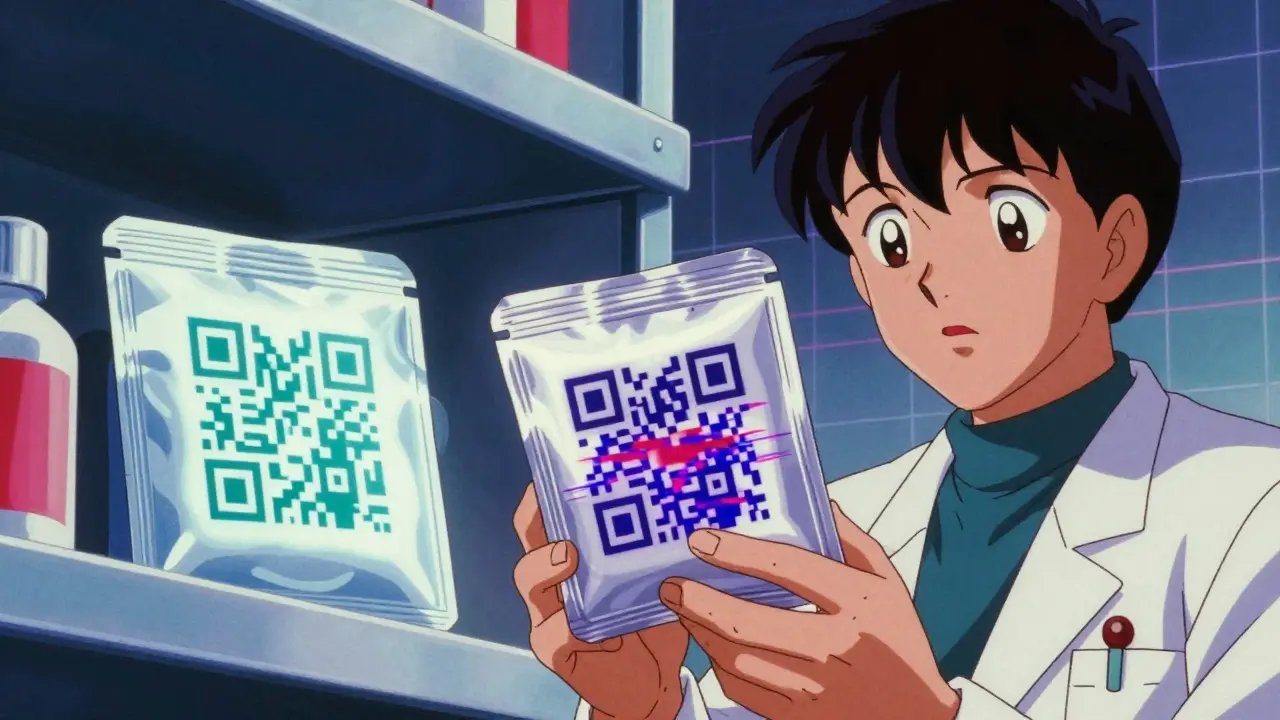
Blockchain technology transforms drug verification, slashing counterfeit medicines with transparent supply chains. Learn how it works, real-world results, and why this matters for online pharmacies. From FDA pilots to future trends, this is the key to safer meds.
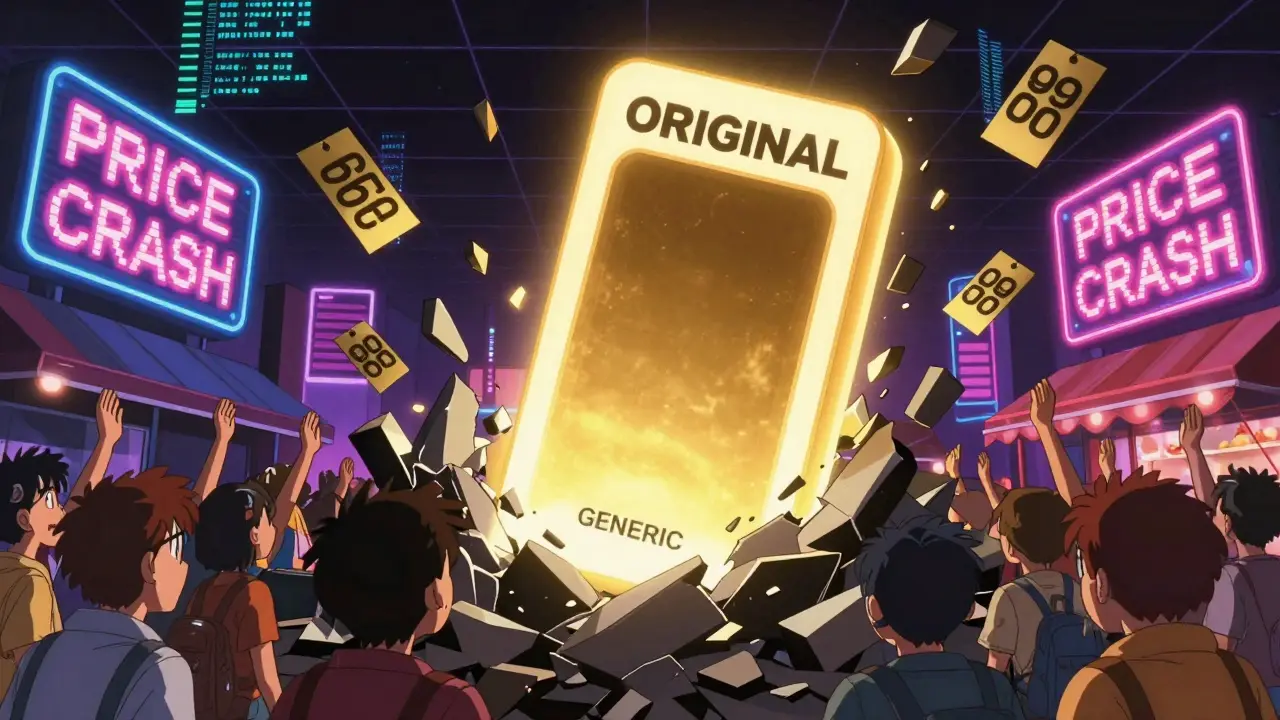
First generic entry triggers massive price drops because competition breaks monopolies. Whether it's drugs, software, or electronics, once alternatives appear, prices fall 40-90% as customers choose value over brand. This isn't a trend - it's the new market reality.
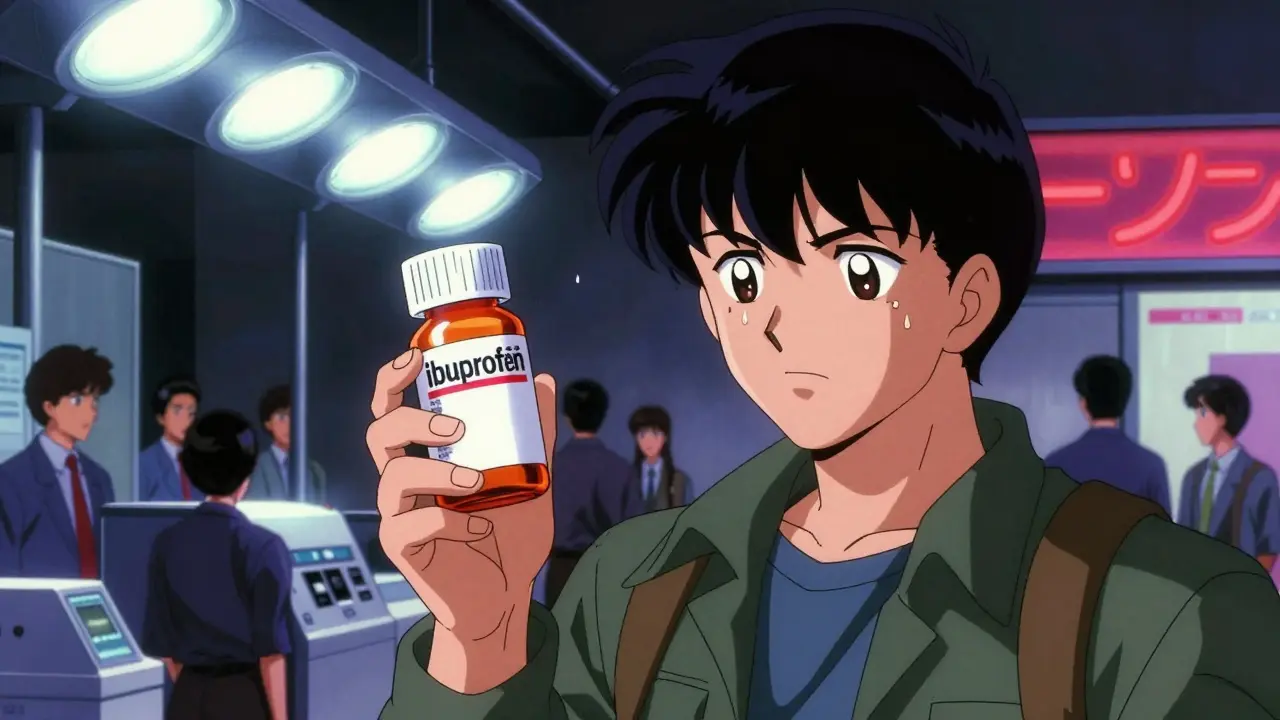
Learn how to read prescription labels when traveling across time zones to avoid missed doses, customs issues, and health emergencies. Essential tips for safe international medication use.
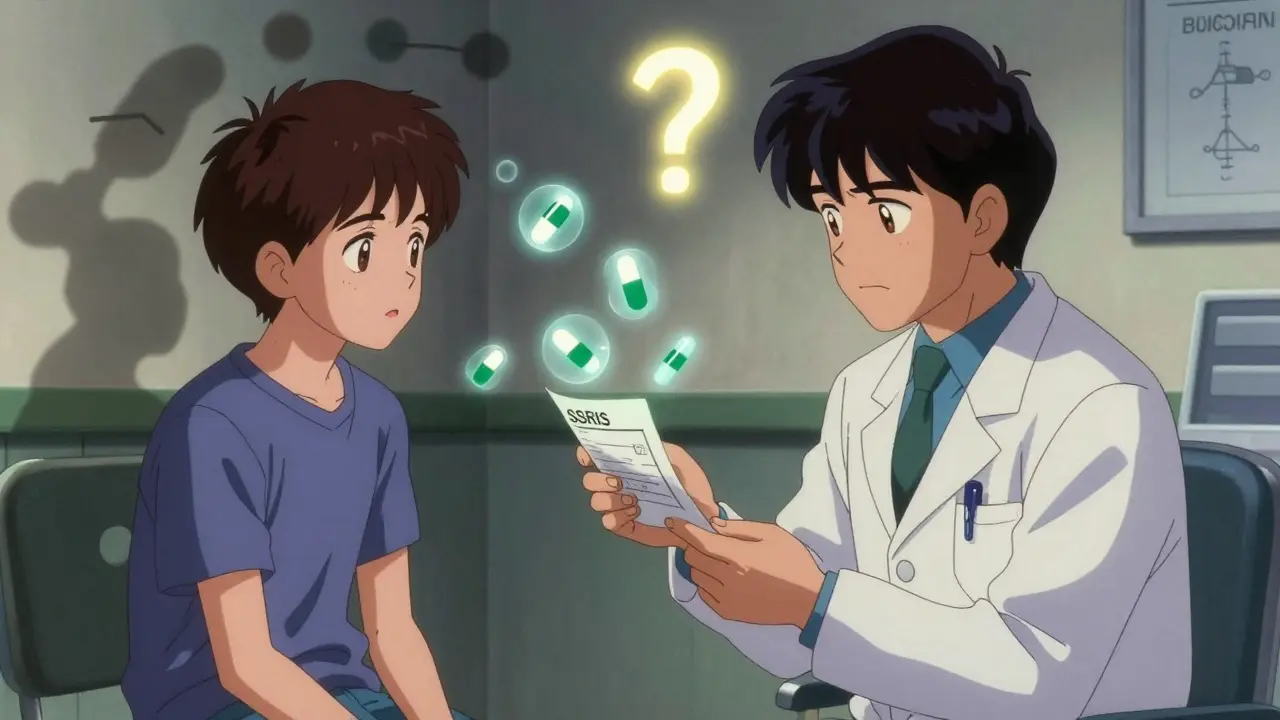
Medication autonomy means patients have the right to choose their drugs based on personal values, not just clinical guidelines. Learn how cost, time, bias, and tech gaps affect real choices-and how to take back control.
Learn how to read OTC drug facts labels to avoid dangerous overdoses, hidden interactions, and allergic reactions. Understand active ingredients, warnings, and directions to use medicines safely.
Learn how INR monitoring keeps blood thinner therapy safe. Understand target ranges, home testing options, risks of high or low INR, and why warfarin is still essential for many patients.
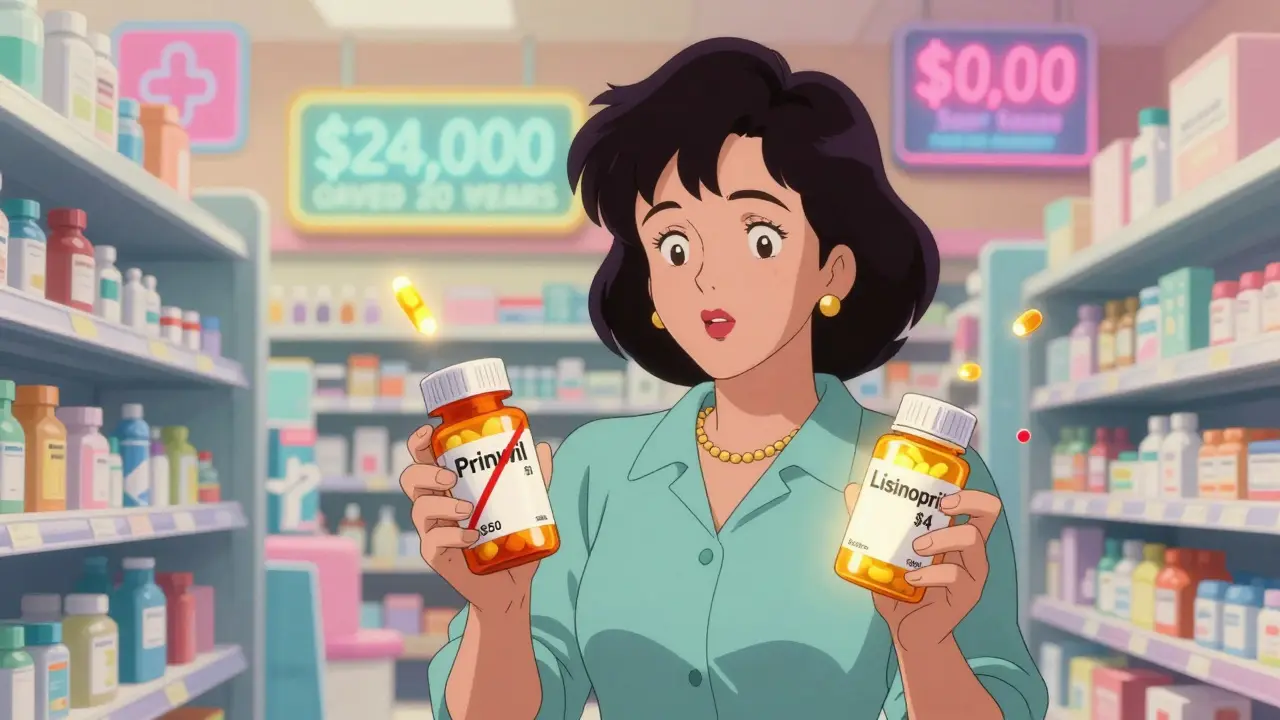
Generic drugs save patients thousands over a lifetime by cutting chronic condition medication costs by 80-85%. Learn how generics work, why they're just as safe, and how to start saving now.