Pharmaceuticals: Your Quick Guide to Safe Buying, Uses & Risks
Welcome to the pharmaceuticals hub at DB Sentences. Whether you’re hunting for a cheap generic, checking side‑effects, or just curious about a medication, you’re in the right spot. We gather real‑world tips, price checks and safety advice so you can make smart choices without scrolling endless sites.
How to Choose a Safe Online Pharmacy
First thing – not every online pharmacy is trustworthy. Look for a U.S. or EU licensed pharmacy that asks for a valid prescription. If a site promises ultra‑low prices without a prescription, hit the brakes. Check for clear contact info, a physical address and a pharmacist‑help line. Reading recent user reviews (like our 2025 medstore‑365.com review) can spare you scams.
When you find a candidate, verify its certification on the national regulator’s list – the FDA’s Verified Internet Pharmacy Practice Sites for the U.S. or the EU’s Falsified Medicines Directive. A quick call to the pharmacy can also reveal if they’ll answer dosage questions or flag drug interactions.
Understanding Common Drug Concerns
Even safe pharmacies can’t replace knowing what you’re taking. Take Montelukast (Singulair) as an example: many shoppers look for cheap generic versions, but recent FDA warnings link it to mood changes. Our guide on “Why Some Move Beyond Montelukast” breaks down alternatives and what to watch for.
For NSAIDs like Mefenamic Acid, liver injury is a real risk. Our “Mefenamic Acid and Liver Health” article lists who should avoid it, the lab tests to monitor, and safer pain‑relief options. Spotting red flags early—like unusual fatigue or dark urine—can prevent serious damage.
Antibiotics such as Chloramphenicol need special care. Buying them online is legal only with a prescription in the UK, and the drug has strict storage rules. Our step‑by‑step guide walks you through checking pharmacy credentials, confirming the prescription, and understanding the required dosage schedule.
When it comes to chronic conditions, drugs like Entocort (budesonide) for Crohn’s disease have specific dosing rules. Too high a dose can cause steroid side effects; too low may leave inflammation unchecked. Use our simple dosing chart and side‑effect checklist to stay on track.
Diuretics such as Frumil and Tolvaptan have unique electrolyte concerns. Our “Frumil: Uses, Side Effects & What Patients Need to Know” post explains how to monitor blood pressure and potassium levels, and when to call your doctor.
Lastly, don’t ignore the mental health angle. Over‑the‑counter Benadryl is sometimes used for anxiety, but it can cause drowsiness and tolerance. Our breakdown of “Why Does Benadryl Help With Anxiety?” shows the science behind it and safer alternatives.
Bottom line: combine a verified pharmacy, a clear understanding of each drug’s risks, and regular check‑ins with your healthcare provider. DB Sentences keeps the info fresh, so you stay ahead of price changes, new warnings, and emerging alternatives. Start exploring the posts below, and make your next medication decision with confidence.
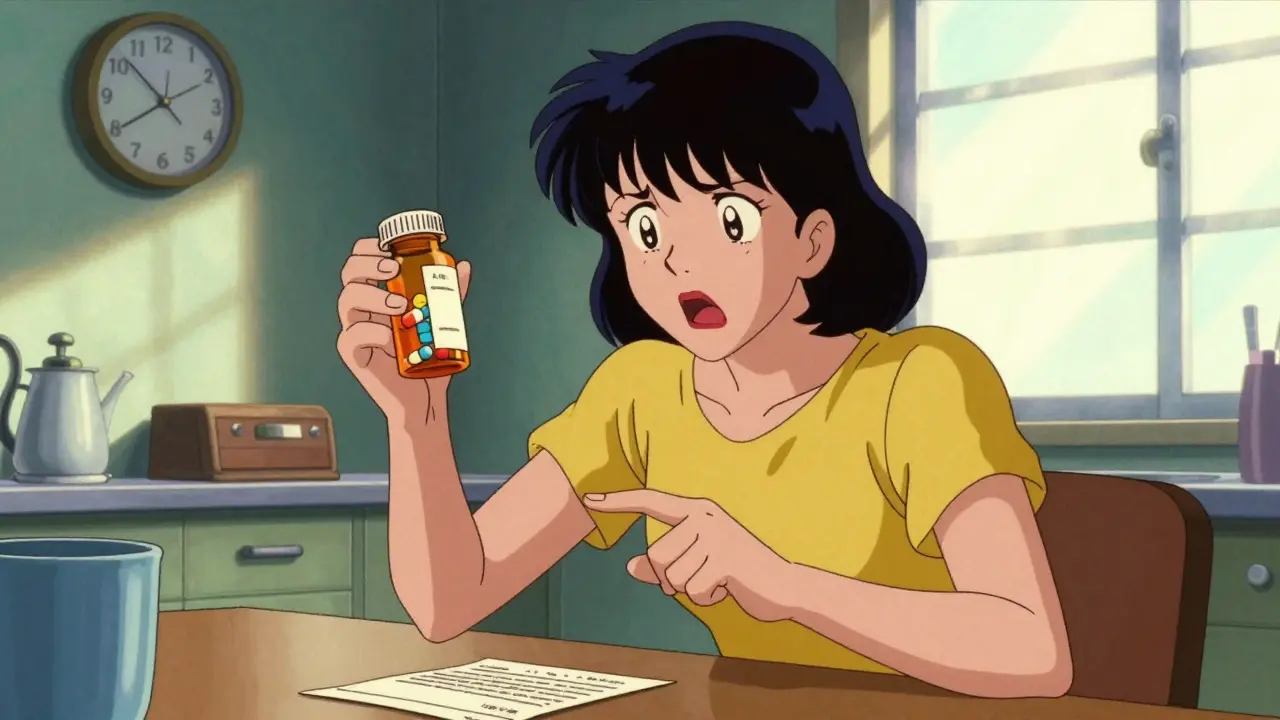
If you receive the wrong medication from the pharmacy, stop taking it immediately, contact your doctor, and preserve all evidence. These steps can prevent harm and protect your legal rights.
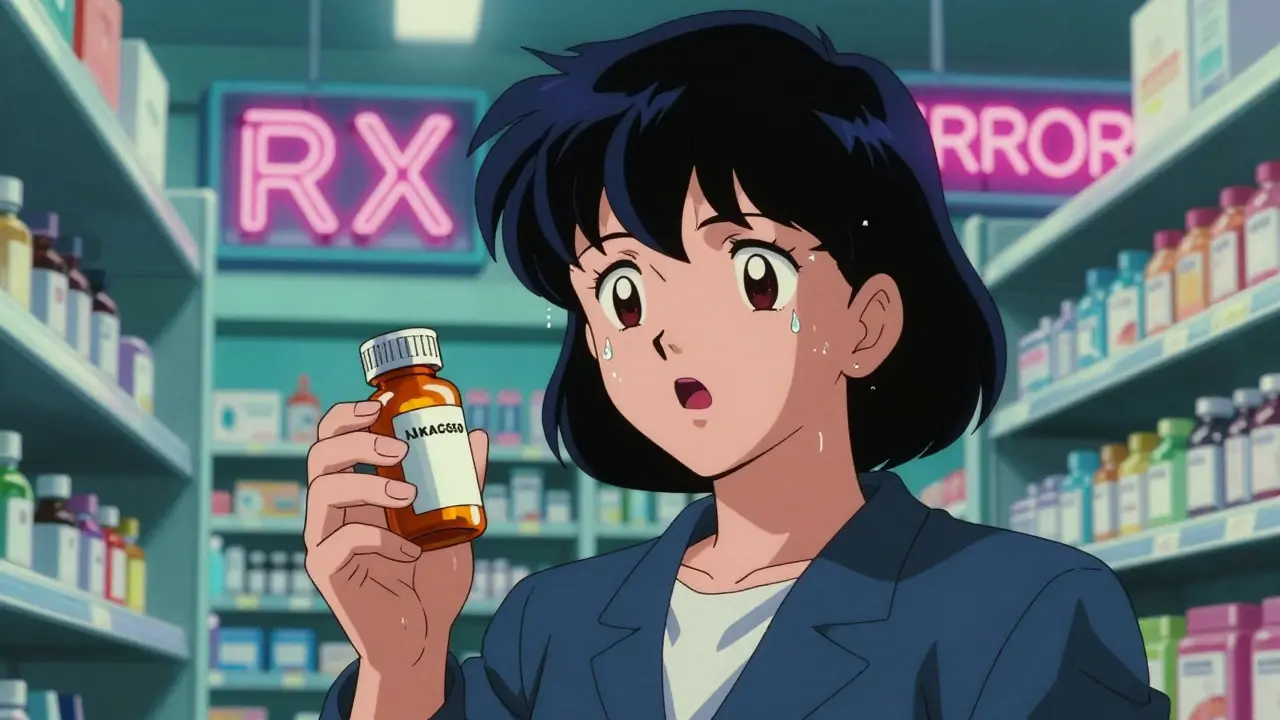
If you receive the wrong medication from the pharmacy, stopping immediately and contacting your doctor can prevent serious harm. This guide covers what to do next, how to preserve evidence, how to report the error, and when to seek legal help.
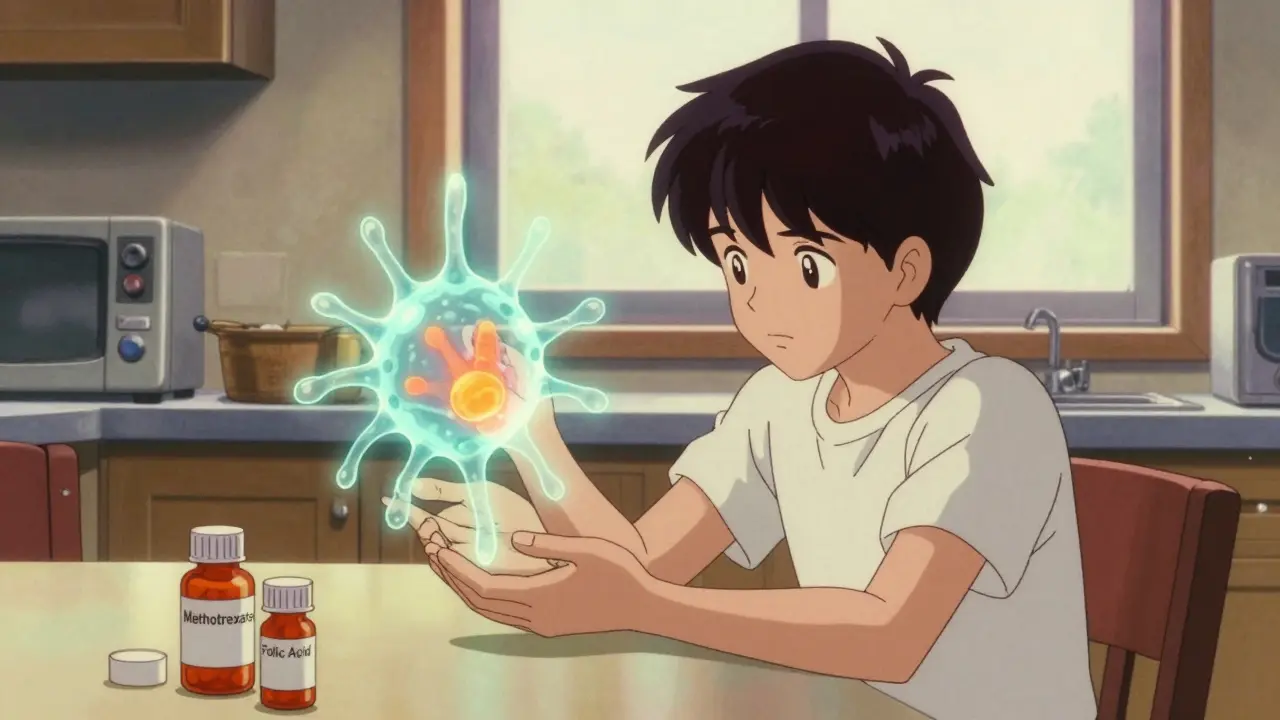
Rheumatoid arthritis treatment relies on DMARDs and biologics to slow joint damage. Methotrexate remains first-line, but biologics and JAK inhibitors offer powerful alternatives when needed. Understanding how they interact-and their risks, costs, and timing-helps patients make smarter choices.
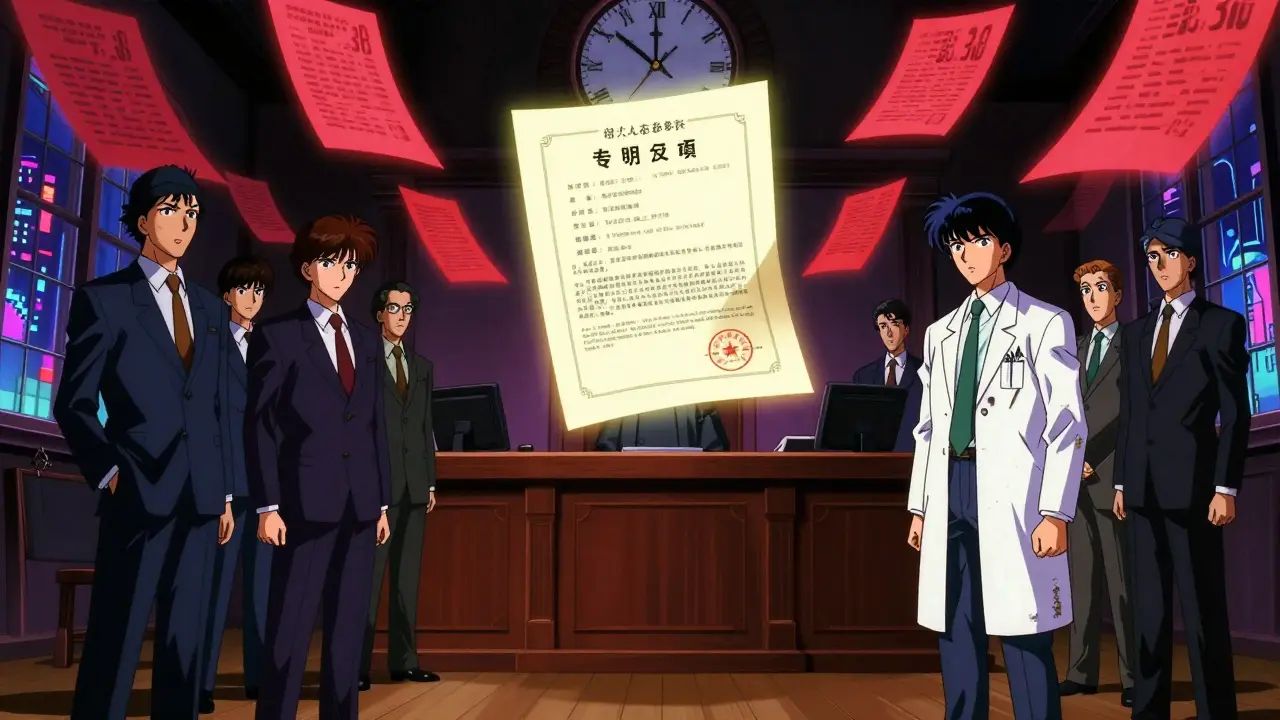
Patent litigation in generic drug markets is delaying affordable medicines by years. With serial lawsuits, improper patent listings, and complex settlements, patients pay billions more than they should. Here’s how the system works - and why it’s broken.
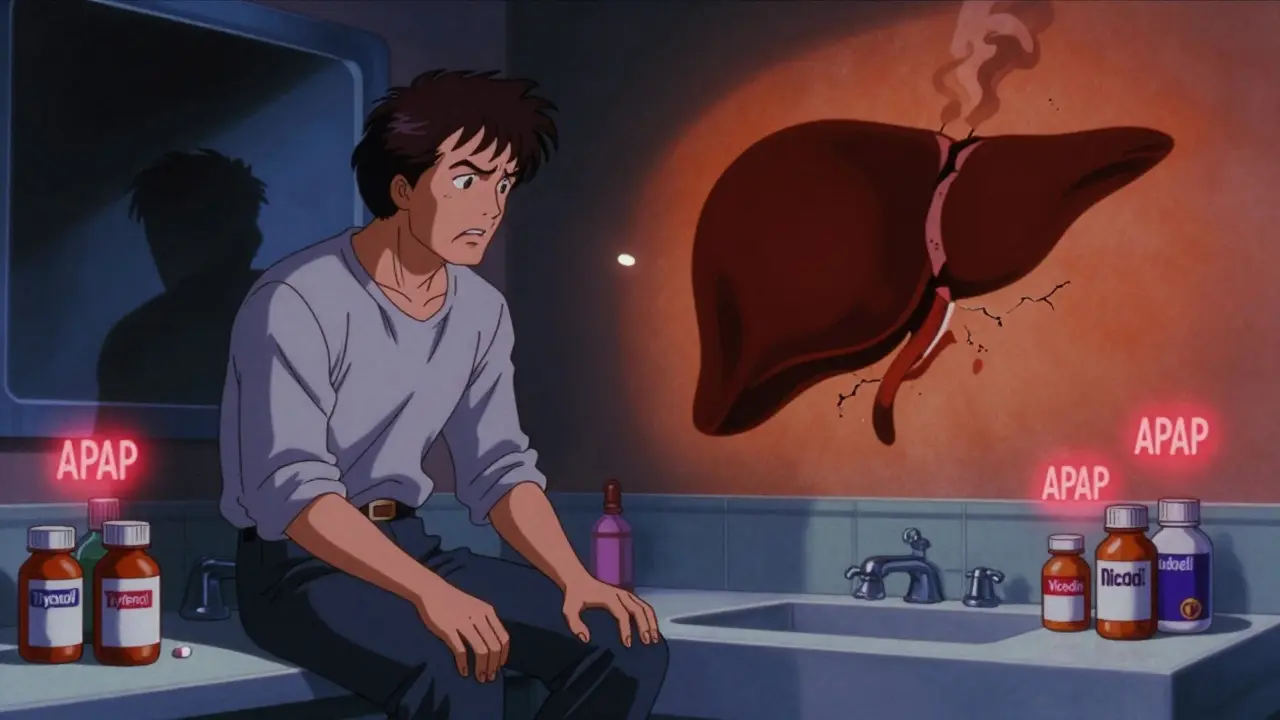
Acetaminophen is safe for most people - but if you have liver disease or drink alcohol, even normal doses can cause serious liver damage. Learn the real limits, hidden risks, and what to do if you've taken too much.

JAK inhibitors are oral drugs revolutionizing treatment for autoimmune diseases like rheumatoid arthritis and alopecia areata. They work fast and are convenient - but come with serious risks requiring strict monitoring.
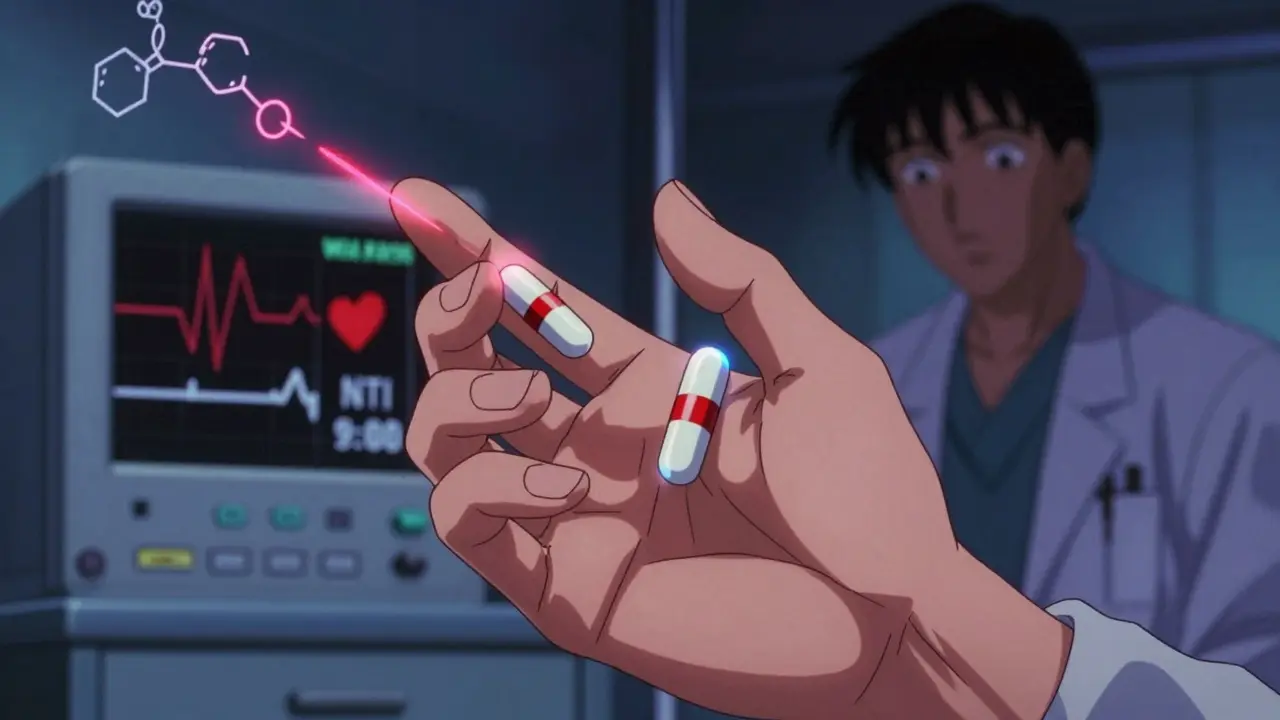
Narrow therapeutic index drugs require stricter bioequivalence standards to prevent dangerous side effects or treatment failure. Learn how the FDA, EMA, and Health Canada regulate generics of critical medications like warfarin and levothyroxine.
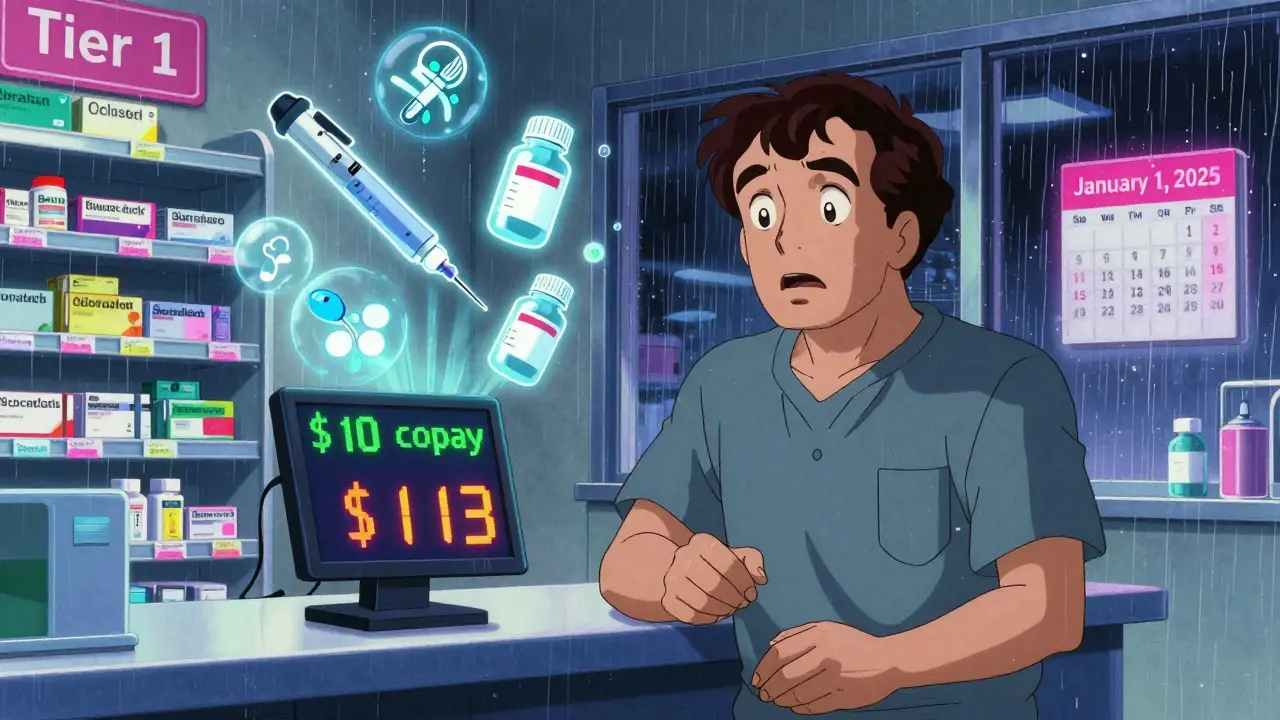
Insurance formulary changes in 2025 are pushing patients toward generics and biosimilars to cut costs. Learn how these shifts affect your copays, what to watch for, and how to protect your access to essential medications.
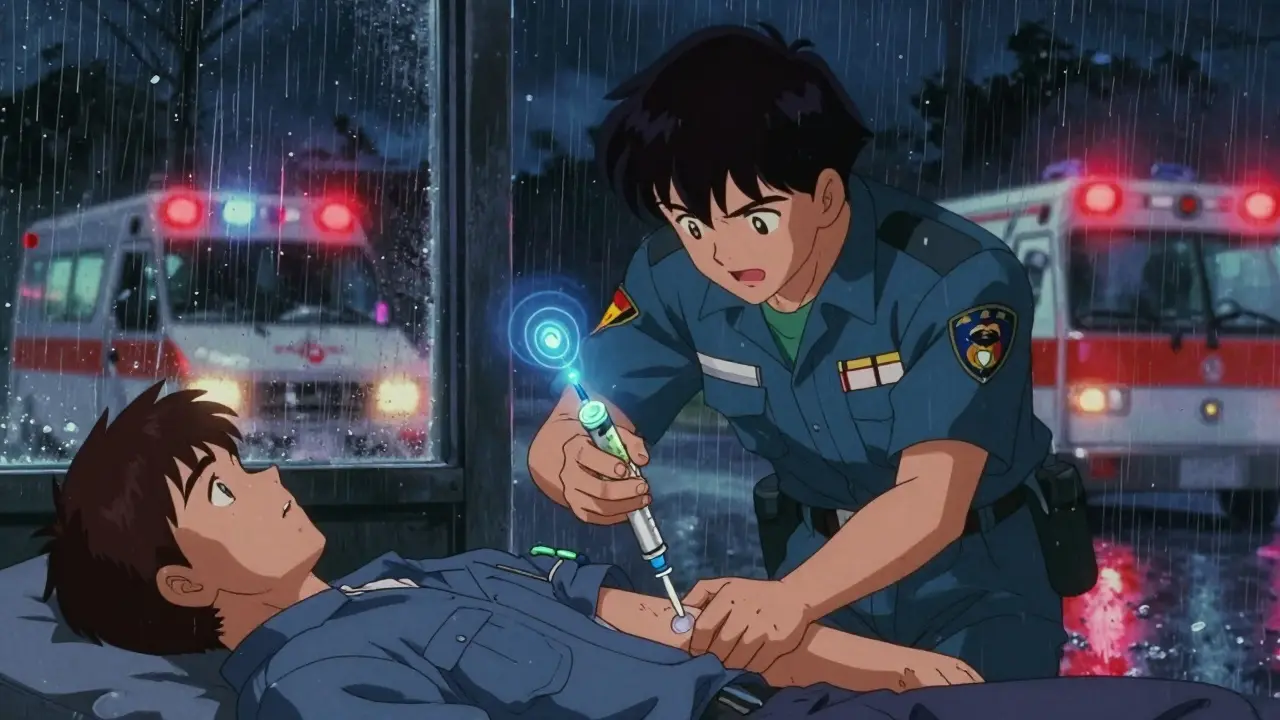
Expired medications aren't always dangerous-many remain effective for years. In emergencies, when no alternatives exist, some expired drugs can save lives. Here's what works, what doesn't, and when it's worth the risk.
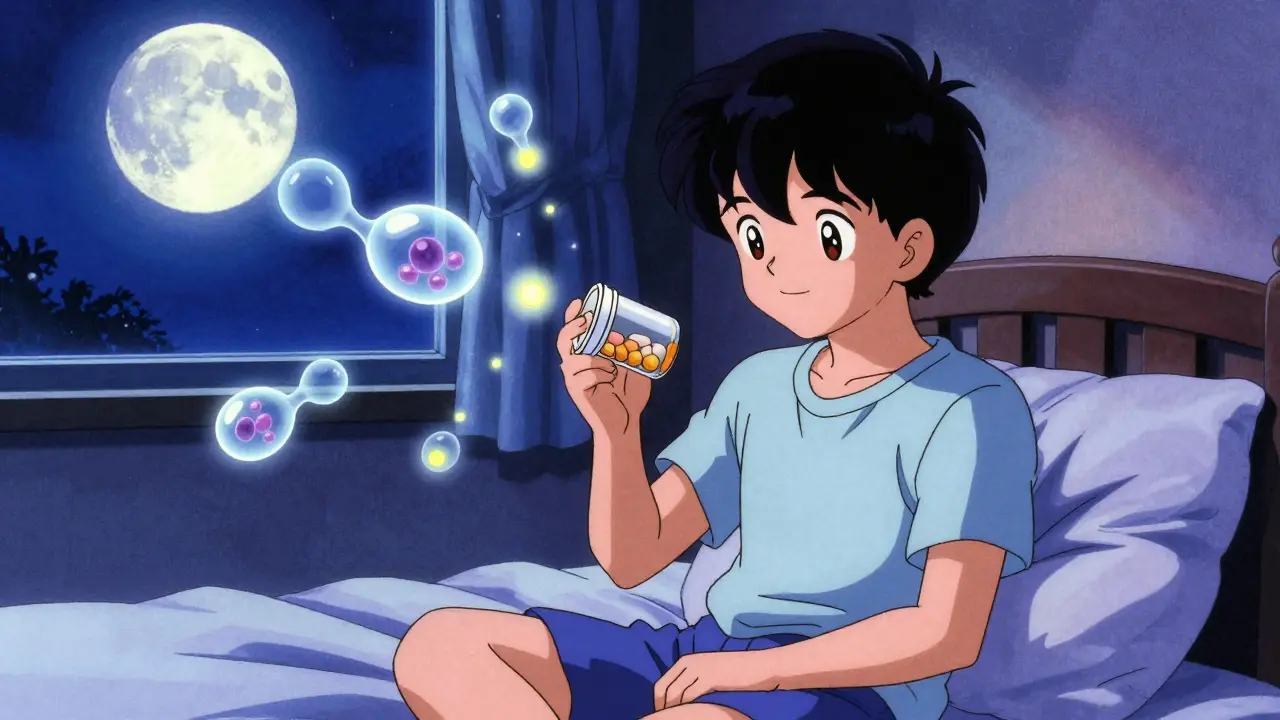
Drug holidays can help manage side effects like sexual dysfunction or growth suppression - but only when planned with a doctor. Learn which medications allow safe breaks, why others are dangerous to stop, and how to do it right.

MAOIs can save lives, but they come with dangerous dietary risks beyond cheese. Tyramine in fermented foods like soy sauce, miso, and cured meats can trigger life-threatening blood pressure spikes. Learn what's really unsafe and how to stay protected.
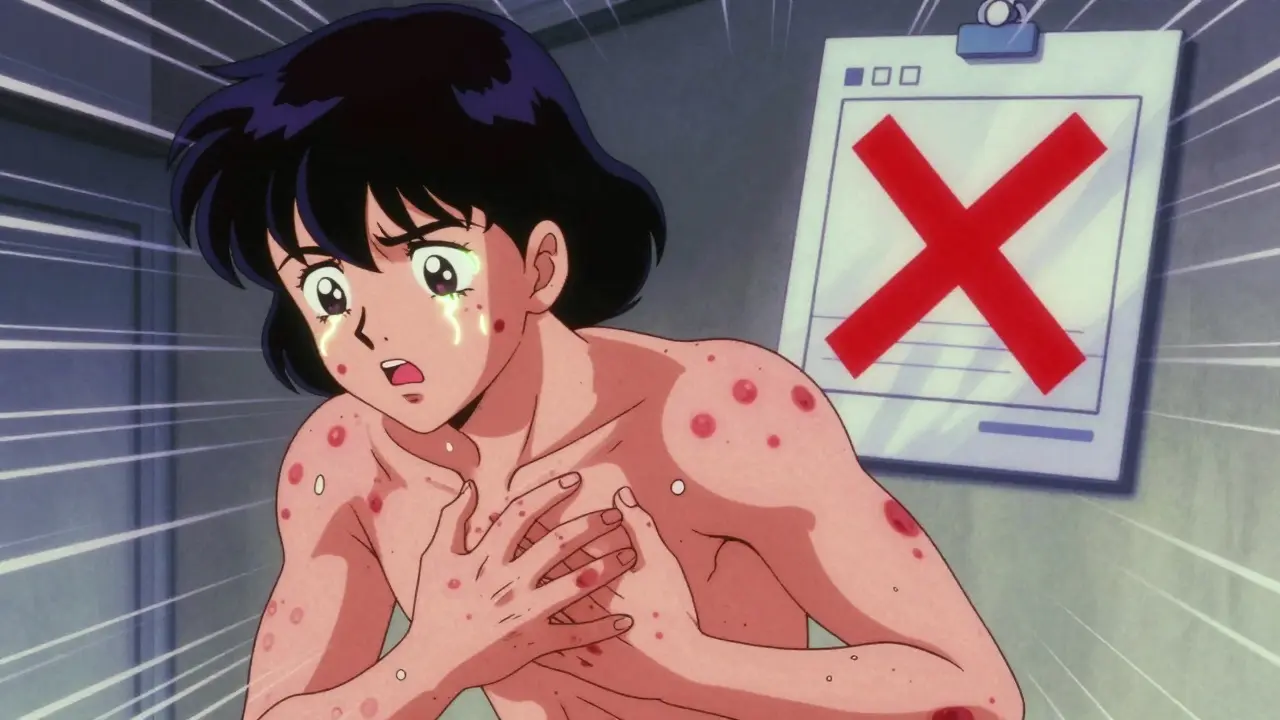
Not all severe drug reactions mean you need to avoid entire medication families. Learn which reactions require permanent avoidance-and which don’t-so you don’t miss out on safe, effective treatments.