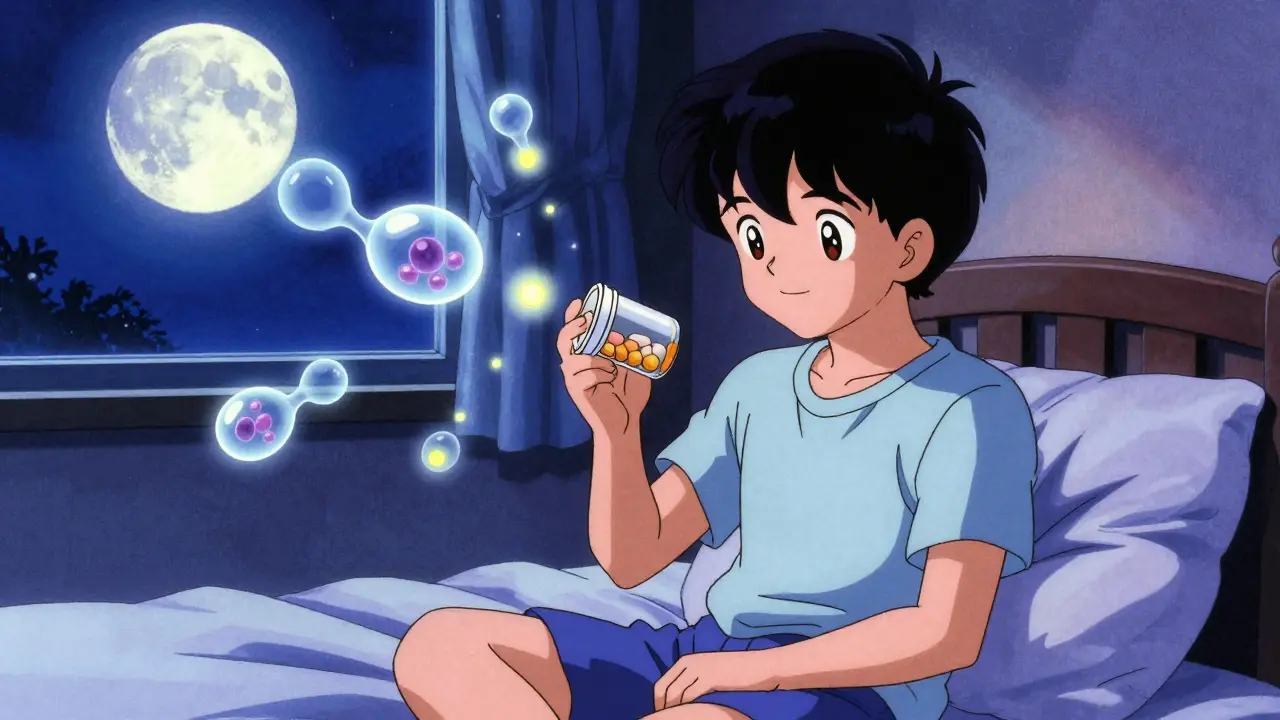
What if stopping your medication for a few days could actually make you feel better? It sounds counterintuitive - but for some people, a carefully planned drug holiday does exactly that. A drug holiday isn’t skipping pills because you forgot or felt lazy. It’s a medically supervised pause in treatment, designed to reduce side effects, reset your body’s response, or improve quality of life. But here’s the catch: it only works in specific cases, under strict guidelines. Do it wrong, and you could end up in the ER.
When Drug Holidays Actually Work
Not all medications are created equal when it comes to taking breaks. The most common and well-supported use of drug holidays is for selective serotonin reuptake inhibitors (SSRIs) like fluoxetine (Prozac), sertraline (Zoloft), or escitalopram (Lexapro). These drugs are often prescribed for depression and anxiety, but they come with a frustrating side effect for many: sexual dysfunction. Reduced libido, delayed orgasm, or complete loss of sexual pleasure affect up to 70% of users, according to the Journal of Sexual Medicine (2020).
For those on long-acting SSRIs like fluoxetine - which stays in your system for 4 to 6 days - a weekend break (48-72 hours) can make a real difference. Studies show 65% of users report improved sexual function without a return of depressive symptoms. One patient on PatientsLikeMe described it this way: “Two days off Prozac restored intimacy without noticeable mood changes.” That’s the goal: temporary relief, not relapse.
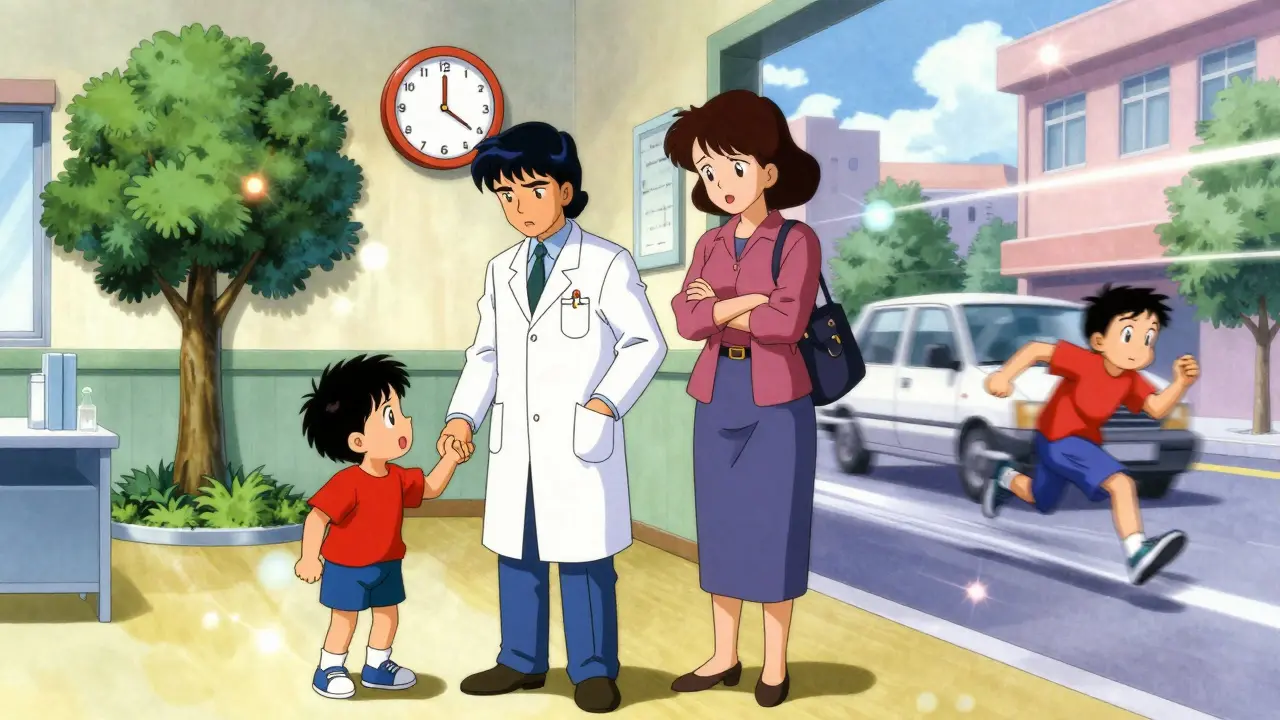
Another area where drug holidays have some clinical backing is in ADHD stimulant medications like methylphenidate (Ritalin) or amphetamine (Adderall). Many families choose to pause medication during summer break or long weekends. Why? To see if the child still needs it, or to let growth catch up - stimulants can suppress appetite and slow height gain in some kids. But the trade-off is steep. The Child Mind Institute found that 78% of children experience noticeable symptom rebound during these breaks, leading to outbursts, poor impulse control, and even accidents. One mother reported her 10-year-old ended up in the emergency room three times over the summer because he ran into the street without looking.
The Dangerous Side of Skipping Pills
While some medications tolerate short breaks, others can’t. Stopping certain drugs suddenly isn’t just risky - it can be life-threatening.
- Beta-blockers (used for high blood pressure, heart conditions): Abruptly stopping can trigger rebound hypertension, chest pain, or even heart attack.
- Anticonvulsants (for epilepsy): Missing even one dose can trigger seizures in susceptible individuals.
- Corticosteroids (like prednisone): Your body stops making its own cortisol when you’re on these long-term. Stopping cold turkey can cause adrenal crisis - low blood pressure, vomiting, confusion, and death if untreated.
- Short-half-life antidepressants like paroxetine (Paxil) or venlafaxine (Effexor): These leave your system in hours. Skipping a dose can cause “brain zaps,” dizziness, nausea, and severe anxiety. Nearly 41% of users on Drugs.com forums reported these symptoms during unplanned breaks.
HIV treatment used to be a major area for drug holidays. In the 1990s, some doctors thought giving the immune system a break from antiretrovirals might help it recover. The 1999 STACCATO study even suggested possible benefits. But the 2006 SMART trial - involving over 5,000 people across 33 countries - proved otherwise. Those on intermittent therapy had a 50% higher risk of opportunistic infections and a 64% greater chance of cardiovascular events. Today, the medical community agrees: for HIV, continuous treatment is non-negotiable.
Why Some Drugs Are Safer to Pause Than Others
The key to whether a drug holiday works lies in pharmacokinetics - how your body absorbs, distributes, metabolizes, and eliminates the drug. Specifically, the half-life matters.
Drugs with long half-lives - like fluoxetine (4-6 days) - stay in your system long enough to smooth out the drop in concentration when you stop. That’s why weekend breaks work. But drugs with short half-lives - like paroxetine (21 hours) or venlafaxine (5 hours) - vanish quickly. Your brain doesn’t get time to adjust. That’s when withdrawal symptoms kick in.
Also important is how tightly the drug binds to its target. SSRIs that bind strongly to serotonin receptors can cause a sudden imbalance when removed. But newer extended-release formulations - like the FDA-approved 2023 bupropion version with built-in “holiday windows” - are designed to release medication slowly, allowing for planned, safer interruptions.
What Experts Say - And Why They Disagree
There’s no universal rule. Even among specialists, opinions vary.
Dr. Michael Craig Miller of Harvard Medical School supports drug holidays for some patients: “For some people, it gives the body a chance to recover systems suppressed by the drug.” He points to receptor downregulation - where your brain reduces its own serotonin production after years of SSRIs - as a reason a short break might reset the system.
But Dr. Alan Ravitz from the Child Mind Institute strongly warns against ADHD medication holidays. His data shows children on year-round treatment have 37% better social functioning and 29% fewer behavioral incidents outside school. The American Academy of Child and Adolescent Psychiatry (AACAP) agrees: while growth concerns affect 15-20% of kids, the risk of accidents, poor school performance, and family conflict outweighs the benefit.
And for depression? Dr. David Healy’s 2020 meta-analysis found 33% of patients relapse within 14 days of stopping antidepressants - especially those with multiple past episodes. The NCBI review confirms: structured holidays with clear protocols succeed 68% of the time. Ad hoc, unplanned breaks? Only 22% success.
How to Do It Right - If You’re Considering a Break
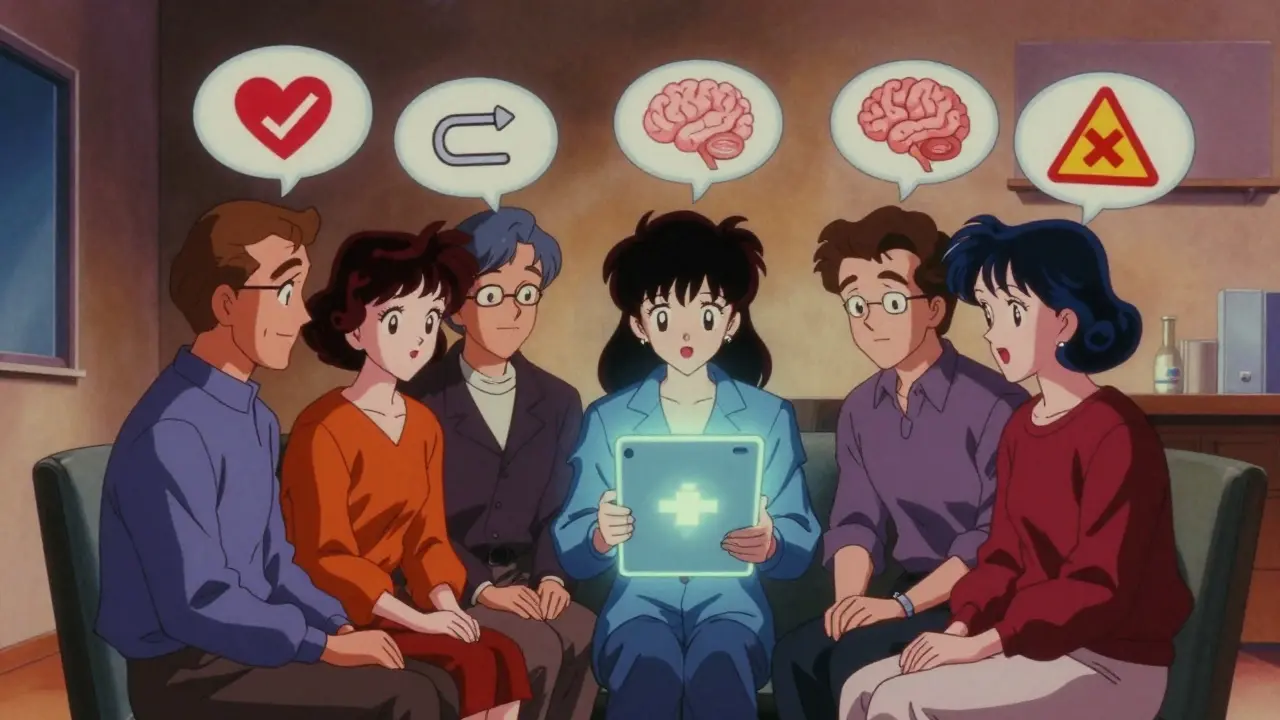
If you’re thinking about a drug holiday, here’s what you need to know before you even ask your doctor.
- Wait for stability. Don’t try this within the first 6 months of starting a medication. Your condition needs to be steady for at least that long.
- Track your symptoms. Use a journal or app to record mood, sleep, energy, side effects - for 4-8 weeks before even considering a break.
- Define your goal. Are you trying to fix sexual side effects? Reduce appetite suppression? Test if you still need the drug? Be specific.
- Plan the timing. For SSRIs, a Friday evening to Monday morning break is common. For ADHD meds, summer is typical - but plan for how you’ll handle school, camps, or sports.
- Have an emergency plan. What if symptoms return? Who do you call? When do you restart? Write it down. The FDA requires this in medication guides - your doctor should too.
- Use gradual tapering. For short-half-life drugs, reduce the dose by 25% per week before stopping. Never quit cold turkey.
- Get follow-up. Schedule a check-in 72 hours after restarting. Many side effects show up then.
Health systems are catching on. Kaiser Permanente’s 2021 pilot program cut medication-related side effect complaints by 15% by offering structured holiday planning. EHR systems like Epic and Cerner now include holiday tracking modules. And telehealth companies like Cerebral and Done report 40% year-over-year growth in consultations about planned medication breaks.
The Bottom Line
Drug holidays aren’t for everyone. They’re not a quick fix. They’re not a way to save money or avoid side effects without medical input. But for a small group of people - those on long-acting SSRIs with sexual side effects, or some children on ADHD meds with growth concerns - they can be a legitimate, carefully managed tool.
The biggest danger? Doing it alone. CDC data shows 61% of emergency visits related to medication issues involve unsupervised stops. That’s why your doctor isn’t just being cautious - they’re protecting you.
If you’re considering a break, talk to your provider. Bring your symptom log. Ask: “Is this safe for me?” Not for someone else. Not for a general case. For you.
Can I take a drug holiday if I feel fine on my medication?
No - if you’re feeling fine, that means the medication is working. Stopping it without medical guidance increases your risk of relapse, withdrawal, or worsening symptoms. Drug holidays are only considered when side effects are interfering with your quality of life, and even then, they require a plan. Feeling fine isn’t a reason to stop - it’s a reason to keep going.
Are weekend SSRI breaks safe for everyone?
No. Weekend breaks are only considered safe for long-acting SSRIs like fluoxetine (Prozac), which has a half-life of 4-6 days. For short-acting SSRIs like paroxetine (Paxil) or SNRIs like venlafaxine (Effexor), even a 48-hour break can cause severe withdrawal symptoms like dizziness, brain zaps, nausea, and anxiety. Always check your specific drug’s half-life and consult your prescriber before attempting any break.
What if my child’s ADHD symptoms return during a summer break?
It’s very common - and expected. The Child Mind Institute found 78% of children experience symptom rebound during medication-free periods. If your child becomes impulsive, aggressive, or has trouble sleeping or focusing, it’s a sign they still need the medication. Don’t assume the break “proved” they don’t need it. Instead, use the break as a test: if behavior worsens, it confirms the medication is necessary. Many parents report their child’s self-esteem improves when they return to treatment after a summer break.
Can I just stop my antidepressant for a week if I’m feeling overwhelmed?
Never. Stopping antidepressants suddenly can cause withdrawal symptoms that feel like a flu - fatigue, headaches, nausea, insomnia, and even electric shock sensations in the brain (called “brain zaps”). For some, it triggers a full depressive relapse. If you’re overwhelmed, talk to your doctor about adjusting the dose, switching medications, or adding therapy. Never self-manage discontinuation.
Do drug holidays help build tolerance?
For some medications, yes - but not in the way most people think. In ADHD stimulants, tolerance can develop over time, and a planned break may help reset sensitivity. But for antidepressants, the goal isn’t tolerance - it’s managing side effects. There’s no evidence that holidays prevent tolerance to SSRIs. In fact, repeated cycles of stopping and restarting may increase relapse risk. The benefit is symptom relief, not long-term tolerance management.
How common are drug holidays in real-world practice?
They’re more common than you think - but mostly in psychiatry. About 65% of psychiatrists report using structured antidepressant holidays to manage sexual side effects. For ADHD, only 22% support planned breaks, mostly in children with documented growth delays. Outside mental health, they’re rare. In cardiology, neurology, or HIV care, they’re generally avoided. The market for telehealth consultations on medication holidays has grown 40% since 2021, showing rising interest - but also highlighting how often patients are trying this on their own without guidance.
Drug holidays aren’t a trend. They’re a clinical tool - used by professionals, not patients. If you’re thinking about one, don’t rely on Reddit stories or online forums. Talk to your doctor. Bring data. Ask questions. And never, ever skip a dose without a plan.

Comments (12)
Davis teo February 22 2026
Okay but what if I just skip my Zoloft every Friday night and party? I did it last weekend and my libido came back like a damn superhero. No brain zaps, no mood crash. Reddit says it’s fine so I’m gonna keep doing it.
Michaela Jorstad February 22 2026
That’s not how this works. You can’t just wing it with SSRIs. I’ve been on escitalopram for five years, and my doctor and I planned a 72-hour break over Memorial Day weekend-with a symptom tracker, a restart schedule, and a 24-hour hotline number. It worked. But only because we treated it like a medical procedure, not a weekend hack.
Liam Crean February 22 2026
I get why people try this. I was on Adderall for 12 years, and I took summer breaks every year in college. My grades tanked, I snapped at my roommate, and I forgot how to sit still. But when I went back on, I realized the medication wasn’t making me less me-it was letting me be my best self. Maybe the real question isn’t whether to take a break… but whether you’re using the drug to survive-or to thrive.
Marie Crick February 23 2026
Stop medicating normal people. This is pharmaceutical propaganda.
Ashley Paashuis February 24 2026
Thank you for writing this. As a therapist, I’ve had clients who felt guilty for wanting to feel sexual again, or for wanting to eat without feeling like a robot. A drug holiday isn’t failure-it’s self-advocacy, done right. But you’re absolutely right: it’s not DIY. I give my clients a 7-point checklist before we even consider it. If they can’t articulate their goal, we don’t proceed.
Ellen Spiers February 25 2026
Pharmacokinetic variability is grossly oversimplified here. The half-life of a drug does not determine withdrawal severity in isolation; receptor affinity, neuroadaptive changes, and individual CYP450 polymorphisms are far more predictive. Furthermore, the 65% success rate cited for SSRI holidays is drawn from a non-peer-reviewed PatientsLikeMe dataset with no control group. This article reads like a marketing whitepaper for telehealth startups, not clinical science.
Danielle Gerrish February 25 2026
My daughter was on Ritalin for three years. We did summer breaks because she wasn’t growing. She shrunk. Like, literally. Her pants were too long, her shoes were three sizes too big. We thought maybe she didn’t need it anymore. Then she started screaming at the dinner table because her brother looked at her funny. She threw a plate. We called the ER. They said, ‘You didn’t just pause medication-you rewired her amygdala.’ We put her back on. She’s 14 now. She’s a straight-A student. She plays violin. She hugged me last week and said, ‘Mom, I don’t know who I’d be without this.’ I don’t either.
Oana Iordachescu February 26 2026
They’re lying. Big Pharma doesn’t want you to know that drug holidays reset your body’s natural neurotransmitter production. The FDA banned studies on this in 2015 because it threatened SSRI profits. I’ve been off my antidepressants for 11 months. My energy? 10x. My sleep? Perfect. My doctor? ‘You’re delusional.’ But I know the truth. The system wants you dependent. Wake up.
Benjamin Fox February 27 2026
AMERICA IS WEAK. WE’RE TOO SOFT TO HANDLE OUR OWN BRAINS. JUST TAKE THE PILLS AND STOP WHINING. 🇺🇸💊
Jonathan Rutter February 28 2026
Let me tell you about my cousin. She took a drug holiday for ‘sexual side effects.’ She stopped her paroxetine cold turkey on a Friday. By Sunday, she was crying in the shower, screaming that her skin was crawling, and she thought her teeth were melting. She ended up in psych. They kept her for 72 hours. They said she had ‘prolonged SSRI withdrawal with derealization.’ She’s on a different med now. And she still can’t have sex. So yeah. Don’t do it. You think you’re in control? You’re not. You’re just one bad decision away from a psychiatric ward.
madison winter March 1 2026
If you need a holiday from your medication… maybe you shouldn’t be on it in the first place? Like, what if the problem isn’t the drug… but the life you’re drugging yourself to tolerate? Just a thought. 🤷♀️
Jeremy Williams March 2 2026
I’m from Nigeria. Here, we don’t have SSRI holidays. We have ‘God’s timing.’ If you’re depressed, you pray. If you can’t sleep, you drink bitter leaf tea. If you can’t feel pleasure, you go to your uncle’s funeral and cry until your chest cracks. We don’t need a 7-point checklist. We need community. But I get it-your system is broken. So you tweak your pills. I just wish more of you asked: ‘What if the problem isn’t my brain… but my world?’