Health Guides & Tips You Can Use Today
Welcome to the Health section of DB Sentences. Here you’ll find straight‑forward articles that answer real questions about medicines, supplements, and common conditions. We keep the language simple, the facts current, and the advice practical so you can decide what’s best for your body without wading through jargon.
What You’ll Find in This Section
Every post is written to give you a quick, useful answer. Want to know if Brussels sprout supplements actually help detox? Check out our 2025 guide that breaks down sulforaphane, dosage, and safety. Curious about buying vitamin D online? We list trustworthy sources, red flags for scams, and the right daily amount for most adults. If enzymes sound mysterious, our enzyme deficiency article explains how missing enzymes affect digestion and energy, then shows simple ways to support them.
We also cover natural antibacterial options like honey, garlic, and essential oils—what works, what doesn’t, and which questions to ask your doctor. For those managing chronic illnesses, we have pieces on famciclovir use in diabetics, Cenforce‑D for erectile dysfunction, and how to handle nevirapine allergies in HIV treatment. Finally, stay ahead of the curve with updates on immunodeficiency research, gene therapy advances, and upcoming diagnostics.
How to Get the Most Out of Our Articles
Start by scanning the title and short description; they tell you exactly what you’ll learn. If a post matches your need, read the first few paragraphs—they contain the main take‑aways. Use the bold headings to jump to the section you care about most, whether it’s dosage tips, safety warnings, or buying advice.
Take notes as you read. Jot down the dosage range, any drug‑interaction warnings, and the best places to purchase a product. When you finish, compare the info with what your doctor or pharmacist says. Our goal is to give you a solid base, not replace professional advice.
Quick tip: bookmark the page and come back whenever you need a refresher. Health information changes fast, and we update our articles regularly. A saved link means you’ll always have the latest guidance at your fingertips.
Finally, if you have a topic that isn’t covered yet—like a new supplement or a rare side effect—let us know. We love adding content that helps real people, and your suggestion could become the next helpful guide.
Stay healthy, stay informed, and enjoy browsing the Health category. With clear answers and practical steps, you’re ready to make smarter choices every day.

Compare cardiac MRI and echocardiography to understand which heart imaging test is right for you. Learn about accuracy, costs, safety, and when doctors recommend each method.

Explore essential HCC surveillance protocols for cirrhosis patients, including ultrasound schedules, AFP thresholds, and modern treatment options. Learn how early detection improves survival rates.

Explore presbycusis, the leading cause of age-related hearing loss. Learn about symptoms, causes, and modern amplification strategies including hearing aids and OTC options.

Learn why medications like amlodipine and gabapentin cause swelling, how to distinguish drug-induced edema from heart failure, and practical steps to manage fluid retention safely.

Learn how to safely transition medication responsibility to your teenager. A phased guide on building routines, preventing misuse, and fostering medical independence.

Learn how to manage Jet Lag and Delayed Sleep Phase Disorder. Discover the science of the internal clock and practical tips for realignment and health.

Learn about the critical timing and efficacy of vaccines for patients with autoimmune diseases and those on immunosuppressive therapies to ensure maximum protection.

Wondering why you see spots after cataract surgery? Learn the difference between normal healing floaters and emergency signs of retinal detachment.
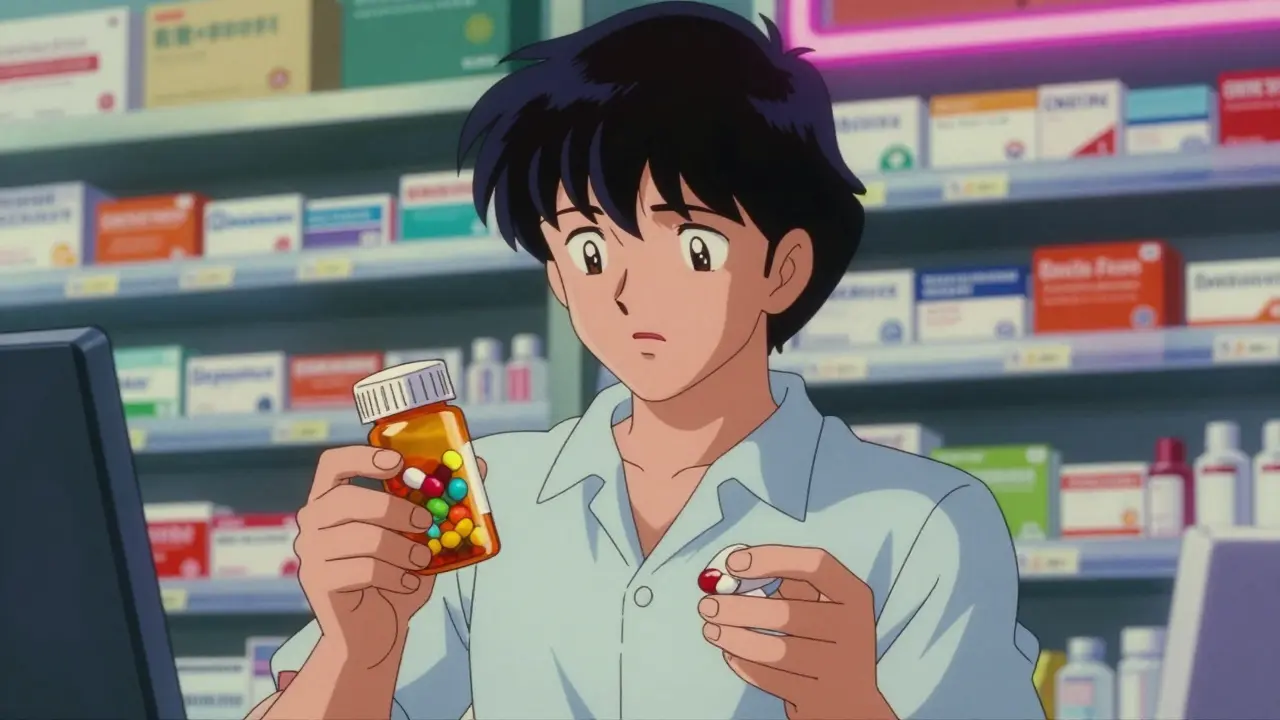
Learn how to safely monitor your health after switching to generic medications, including tracking protocols, high-risk drug warnings, and understanding bioequivalence standards.
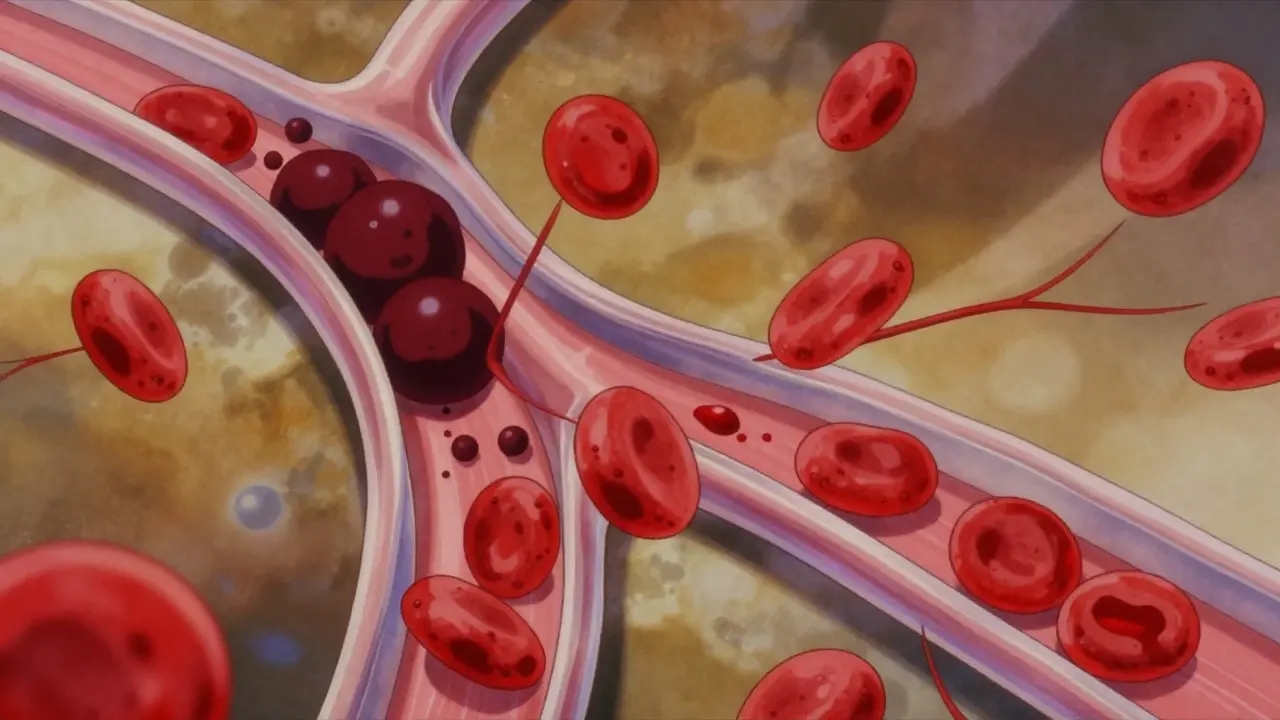
A comprehensive guide to anticoagulation therapy covering INR monitoring, DOACs, and safety protocols for clotting disorders.

Explore how nerve blocks and radiofrequency ablation provide targeted relief for chronic pain. Learn about effectiveness, recovery timelines, and which patients benefit most from these minimally invasive procedures.
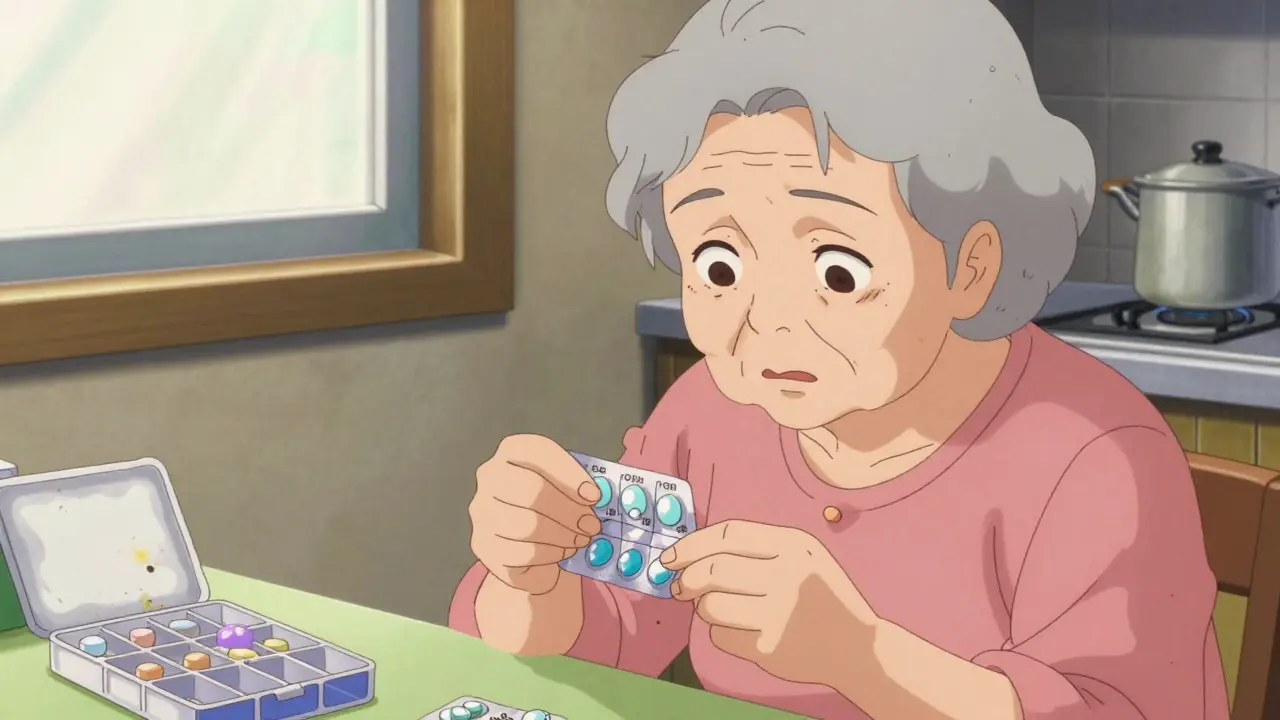
Blister packs and pill organizers help prevent dangerous medication errors. Learn how blister packs reduce overdose risk by 67% and why they’re far safer than basic pill organizers for seniors and those on multiple prescriptions.