Medication Edema Risk & Symptom Checker
Select any medications you are currently taking that may contribute to fluid retention.
Check any symptoms you are currently experiencing.
Assessment Result
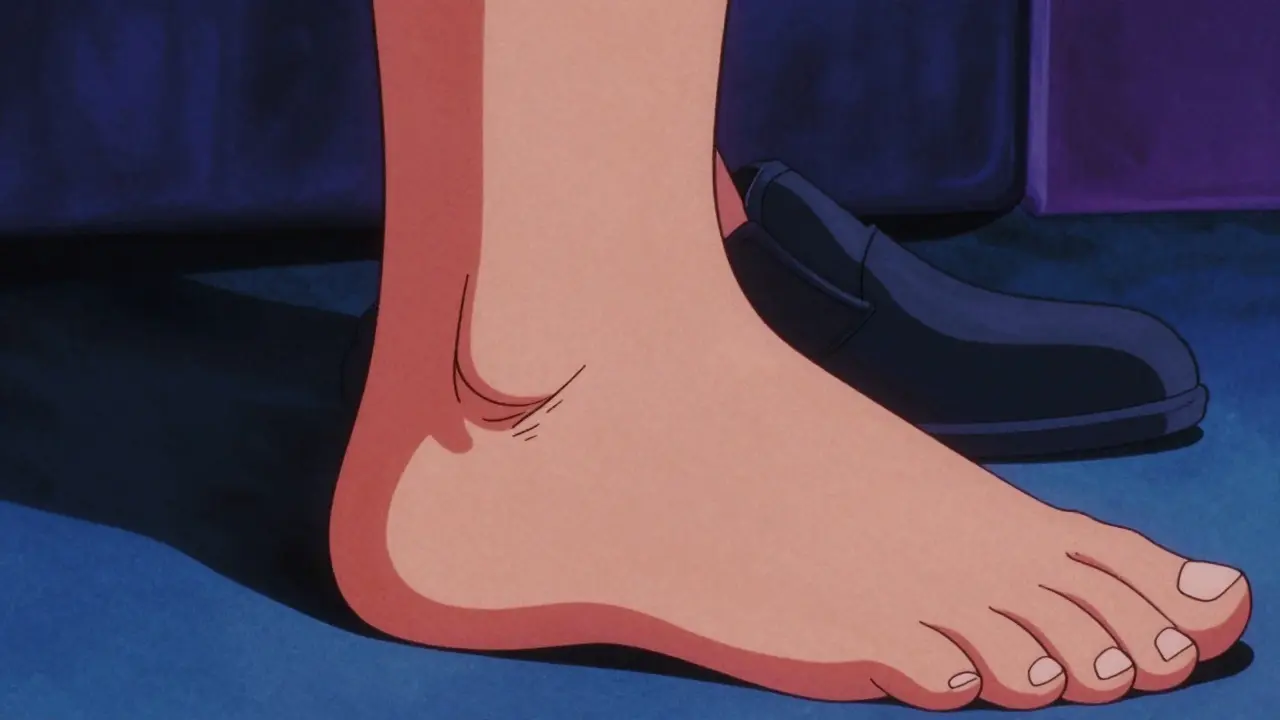
You press your thumb into your ankle. It leaves a dent that stays there for a few seconds before slowly filling back in. You look at your shoes; they feel tighter than they did this morning. Your first thought might be, "Did I eat too much salt?" But if you’ve recently started a new prescription, the culprit is likely sitting on your bathroom counter. Medication-related edema is a common, often frustrating side effect where fluid builds up in your tissues. While it can be harmless, ignoring it can sometimes mask serious health issues.
Understanding why certain drugs cause swelling-and knowing exactly when that swelling signals a danger-is crucial for your safety. This isn't just about comfort; it's about protecting your heart, kidneys, and lungs from potential complications.
Why Do Medications Cause Swelling?
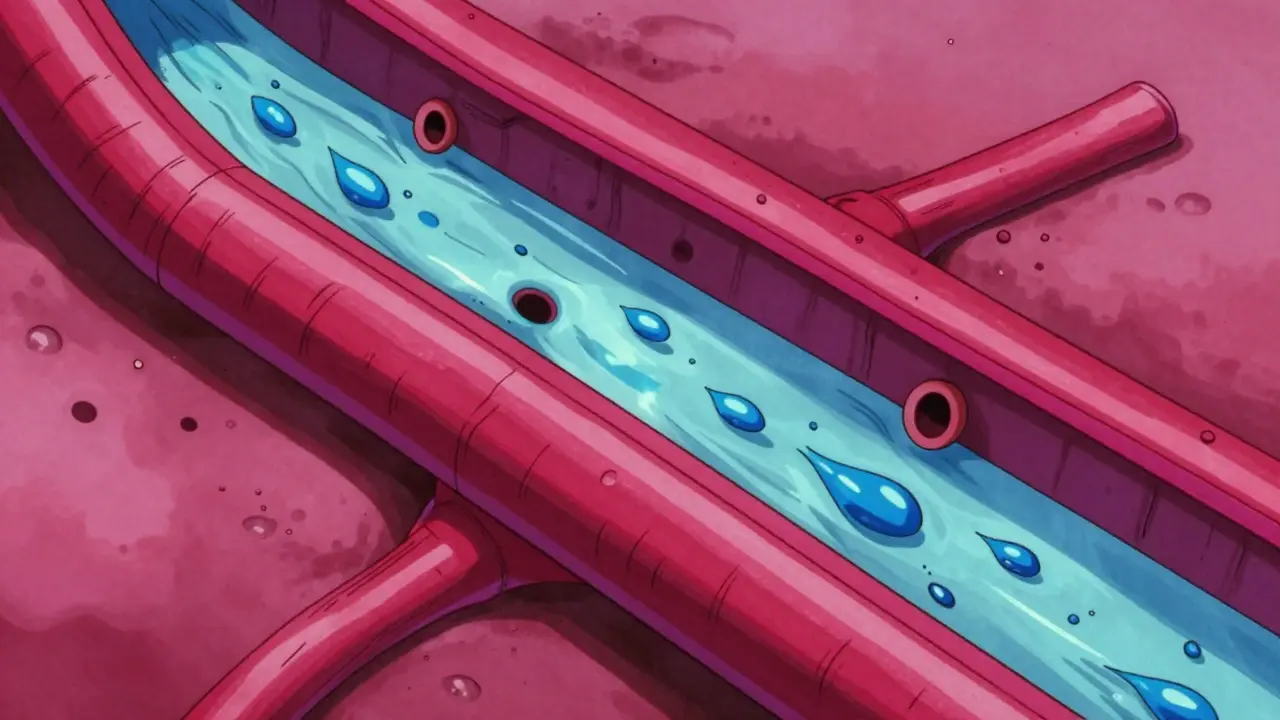
To understand medication-induced edema, you need to know what’s happening inside your blood vessels. Think of your capillaries (tiny blood vessels) as garden hoses with tiny holes. Normally, pressure keeps fluid inside the hose. Some medications change that pressure or widen the vessel walls, causing fluid to leak out into surrounding tissue.
This isn't a defect in the drug; it’s often a side effect of how the drug works. For example, calcium channel blockers relax blood vessels to lower blood pressure. That relaxation is good for your heart but bad for keeping fluid contained in your legs. The result is pedal edema-swelling in the feet and ankles-which accounts for about 75% of all edema cases seen in primary care.
The key takeaway here is mechanism. If the drug widens your arteries more than your veins, gravity pulls fluid down into your lower extremities. It’s physics, not necessarily disease. However, distinguishing between this mechanical leakage and pathological fluid retention caused by organ failure is vital.
Top Culprits: Which Drugs Are Most Likely to Cause Edema?
Not all medications carry the same risk. Some are notorious for causing swelling, while others rarely do. Here are the most common offenders based on clinical data:
- Calcium Channel Blockers: Drugs like amlodipine (Norvasc) are among the biggest causes. Studies show that 10-20% of users experience peripheral edema. The risk is dose-dependent: taking 10mg daily leads to swelling in 25% of patients, compared to 15% on 5mg.
- Gabapentin and Pregabalin: These nerve pain medications cause edema in about 8% of patients taking gabapentin and 6% of those on pregabalin. The swelling tends to increase with higher doses.
- Thiazolidinediones: Diabetes drugs like pioglitazone (Actos) cause significant fluid retention in 4-8% of patients. Rosiglitazone carries an even higher risk at 7-10%. These drugs affect how your body handles insulin and glucose, which indirectly impacts kidney function and fluid balance.
- NSAIDs: Regular use of over-the-counter painkillers like ibuprofen or naproxen can cause mild edema in about 3% of users. They reduce blood flow to the kidneys, causing sodium and water retention.
- Corticosteroids: Prednisone and similar steroids cause fluid retention in 20-30% of patients taking high doses (>20mg daily) for more than two weeks.
- Hormonal Medications: Oral contraceptives and hormone replacement therapy can cause mild swelling in 5-15% of users due to estrogen’s effect on fluid regulation.
| Medication Class | Common Examples | Incidence Rate | Risk Factor |
|---|---|---|---|
| Calcium Channel Blockers | Amlodipine, Nifedipine | 10-25% | Dose-dependent |
| Nerve Pain Agents | Gabapentin, Pregabalin | 6-8% | Dose-dependent |
| Diabetes Meds (TZDs) | Pioglitazone, Rosiglitazone | 4-10% | Heart disease history |
| NSAIDs | Ibuprofen, Naproxen | ~3% | Regular long-term use |
| Corticosteroids | Prednisone | 20-30% | Dose >20mg & duration >2 weeks |
When Should You Actually Worry?
Swelling itself isn't always dangerous. If you’ve been standing all day, your ankles might puff up. But medication-induced edema requires vigilance because it can mimic or worsen serious conditions. You need to distinguish between benign drug side effects and pathological edema.
Here are the red flags that mean you should call your doctor immediately:
- Sudden Weight Gain: Gaining more than 2.2 pounds (1kg) in a single day or 5 pounds in a week is a classic sign of fluid overload. This isn't fat; it’s water weight straining your system.
- Shortness of Breath: If swelling comes with difficulty breathing, especially when lying flat (orthopnea), fluid may be moving into your lungs (pulmonary edema). This is a medical emergency.
- Unilateral Swelling: If only one leg swells, particularly if it’s red, warm, or painful, suspect Deep Vein Thrombosis (DVT) rather than medication side effects. DVT affects 95% of cases unilaterally.
- Pitting that Doesn’t Resolve: Press your shin. If the indent remains for more than 10 seconds and doesn’t improve after overnight elevation, it suggests systemic fluid retention.
- Rapid Onset: Swelling that develops quickly after starting a new med or increasing a dose needs evaluation to rule out allergic reactions or acute organ stress.
Dr. Mark A. Danchenko, a cardiologist at Johns Hopkins, notes that any new bilateral edema in patients taking amlodipine should prompt a check of heart function, especially if accompanied by exertion dyspnea. Don’t assume it’s “just the meds” without ruling out heart failure.
Medication Edema vs. Other Causes: How to Tell the Difference
It’s easy to blame the pill, but other conditions cause similar swelling. Misdiagnosing the cause can lead to dangerous delays in treatment.
Heart Failure: Causes bilateral pitting edema in 90% of advanced cases. The swelling typically worsens in the evening. Unlike drug-induced edema, heart failure edema is often accompanied by fatigue, reduced exercise tolerance, and lung congestion.
Kidney Disease: Nephrotic syndrome causes massive bilateral leg swelling. A key differentiator is protein loss in urine. If you have foamy urine along with swelling, your kidneys might be leaking protein, not just retaining fluid.
Liver Cirrhosis: Leads to ascites (abdominal fluid) and pedal edema. If your belly is distended and your legs are swollen, liver function is a likely culprit.
Lymphedema: Common after cancer surgery involving lymph node removal. This swelling is progressive, doesn’t resolve overnight, and often feels firm rather than soft and squishy.
If you’re over 65, be extra cautious. Dr. Richard H. Stern warns that clinicians often misattribute edema to medications in older adults when cardiac or renal causes are equally likely. Age increases the risk of polypharmacy interactions and underlying organ decline.
Managing Swelling Without Stopping Your Medication
You don’t always need to quit the drug. Many effective strategies can reduce swelling while maintaining therapeutic benefits.
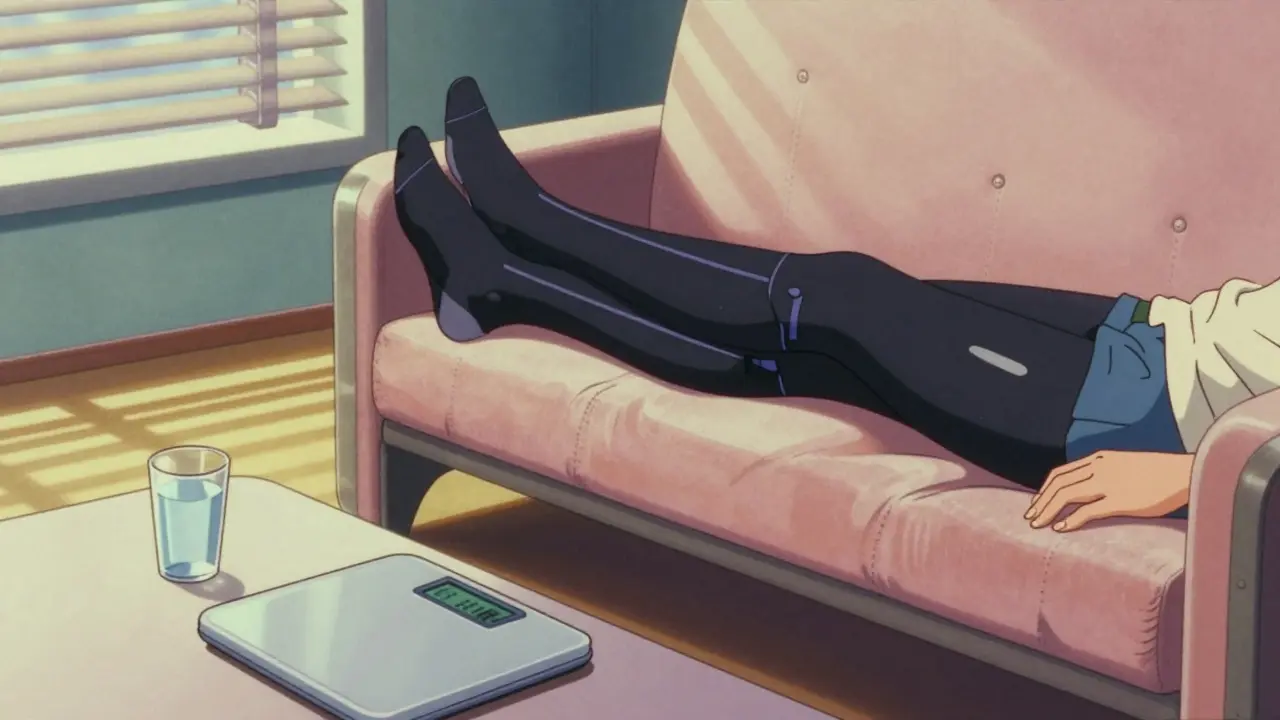
Elevation Protocol: The American Heart Association recommends elevating legs above heart level for 15-20 minutes, four times daily. This simple gravity-assisted drainage reduces ankle circumference by about 1.5cm within 48 hours. Consistency is key; sporadic elevation won’t work.
Compression Stockings: Wear stockings with 20-30 mmHg pressure. Studies show they reduce edema volume by 30% in just seven days. Put them on first thing in the morning before swelling accumulates.
Sodium Restriction: Cut sodium intake to less than 2,000mg daily. A 2023 trial showed measurable reduction in edema within 72 hours of strict sodium control. Avoid processed foods, canned soups, and fast food.
Daily Weight Tracking: Weigh yourself every morning after using the bathroom but before eating. Track trends. A sudden spike indicates fluid retention before visible swelling becomes severe.
Medication Adjustment: Talk to your doctor about alternatives. Switching from amlodipine to losartan (an ARB) often resolves swelling within two weeks. For diabetes patients, SGLT2 inhibitors may offer better fluid management than thiazolidinediones.
Prevention and Long-Term Monitoring
Prevention starts with awareness. If you’re prescribed a high-risk medication, ask your doctor about edema risk upfront. Keep a log of your weight and shoe fit. If you notice changes, document them with photos and measurements.
For older adults, the American Geriatrics Society lists amlodipine, gabapentin, and pioglitazone as potentially inappropriate due to high edema risk. If you’re over 75, discuss these risks explicitly with your provider. Polypharmacy takes a toll; simplifying regimens can reduce side effects.
New technology is also helping. Wearable devices like the VascuComp Plus use bioimpedance to detect fluid accumulation early, offering 92% sensitivity. While not yet standard for everyone, these tools represent the future of proactive edema management.
Remember, medication-related edema is manageable. By recognizing the signs, understanding the causes, and taking proactive steps, you can protect your health without sacrificing necessary treatments. Always consult your healthcare provider before making changes to your medication regimen.
How quickly does medication-induced edema go away after stopping the drug?
Timeline varies by medication. For calcium channel blockers like amlodipine, swelling often improves within 1-2 weeks after discontinuation or switching to an alternative. Gabapentin-induced edema may take slightly longer, depending on dosage and individual metabolism. Corticosteroid-induced swelling can persist for several weeks as the body readjusts its natural cortisol production. Always taper off steroids under medical supervision to avoid withdrawal symptoms.
Can drinking more water help reduce medication-related swelling?
Counterintuitively, yes. Sometimes, restricting fluids too severely can cause the body to hold onto water. However, the primary driver is sodium intake, not total water volume. Focus on reducing salt consumption below 2,000mg daily. Stay hydrated with plain water, but avoid excessive fluid intake if you have heart or kidney conditions. Consult your doctor for personalized fluid guidelines.
Is it safe to continue exercising with swollen ankles?
Light activity like walking can help pump fluid out of the legs through muscle contraction. However, avoid high-impact exercises if swelling is severe or painful. If shortness of breath occurs during exercise, stop immediately and seek medical attention. Elevation and compression after exercise are beneficial. Never ignore pain or dizziness associated with swelling.
What are the best alternatives to amlodipine for patients with edema?
Angiotensin II Receptor Blockers (ARBs) like losartan or valsartan are excellent alternatives. They lower blood pressure effectively without the vasodilation that causes edema in calcium channel blockers. ACE inhibitors like lisinopril are another option, though they carry a risk of cough. Your doctor will choose based on your overall health profile, including kidney function and electrolyte levels.
Does age increase the risk of medication-induced edema?
Yes, significantly. Adults over 75 have a 40% incidence rate for certain edema-causing drugs compared to 15% in younger populations. Aging kidneys process medications slower, leading to higher drug concentrations. Additionally, older adults often take multiple medications (polypharmacy), increasing interaction risks. The American Geriatrics Society specifically flags amlodipine, gabapentin, and pioglitazone as high-risk for seniors.