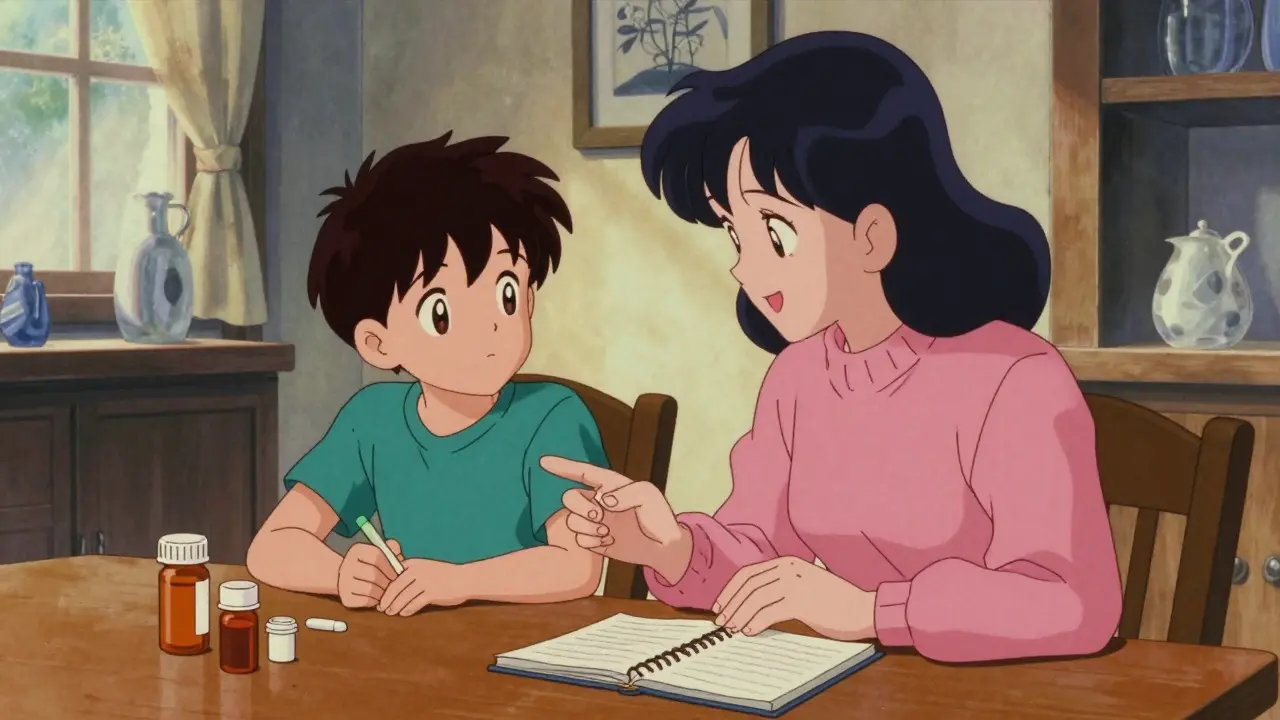
The goal isn't just to get them to take a pill on time; it's about building a life skill. Research shows that about 14% of high school seniors struggle with prescription drug misuse. Many of these teens aren't trying to be rebellious; they simply don't understand the risks or how these substances work. By starting the handover process in the 10th or 11th grade, you give them a safety net while they're still under your roof.
The Game Plan: A Phased Transition
You can't just hand over the bottles on a Sunday and hope for the best. A structured approach prevents the "forgetfulness phase" from becoming a medical crisis. A proven timeline involves moving from identification to full coordination over three years.
- 10th Grade (The Basics): Focus on the "what" and "why." Your teen should be able to read the prescription label, explain what the medicine does, and understand the potential side effects. This is the phase of identification.
- 11th Grade (The Routine): Shift to scheduling. Let them manage the dosage timing and be the one to alert you when a refill is needed. They start owning the calendar.
- 12th Grade (Full Ownership): By senior year, they should be the primary point of contact. This means calling the pharmacy for refills and speaking directly with the doctor about how the medication makes them feel.
Building a Bulletproof Routine
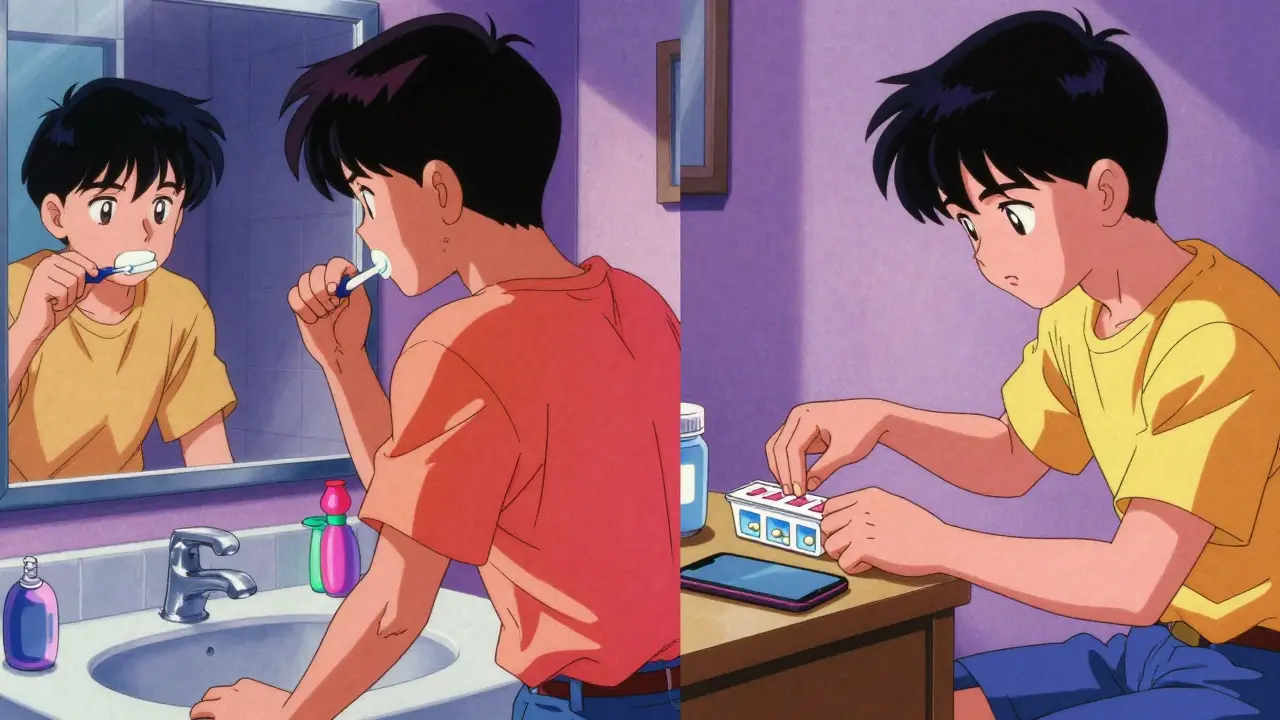
Teens are notorious for losing track of time. To combat this, you need to help them move beyond "remembering" to "automating." The most successful strategy is called habit stacking. Instead of telling them to "take your meds at 8 AM," suggest they pair the medication with something they already do without thinking, like brushing their teeth or plugging in their phone for the night. Data suggests this simple shift can boost adherence by 37%.
Since most teens live on their phones, leverage that. Use smartphone alarms with multiple daily reminders. While it might seem like overkill, having a primary alarm and a "safety" backup 15 minutes later significantly reduces missed doses. For those who need more structure, digital tools can help. Medisafe is a medication management app that sends reminders and tracks adherence. Using these types of apps has been shown to improve consistency by nearly 28% among adolescents.
| Tool Type | Best For | Pros | Cons |
|---|---|---|---|
| Physical Pill Organizers | Visual learners | No batteries needed; clear visual cue | Bulky for travel; easy to forget to fill |
| Smartphone Alarms | Active teens | Instant, loud, and free | Can be easily "snoozed" and forgotten |
| Management Apps | High-complexity regimens | Tracks history; refill reminders | Requires consistent device charging |
The Hard Conversation: Misuse and Safety
We often avoid talking about drug misuse because we think our kids are "good kids," but the reality is that 70% of teens believe prescription drugs are safer than street drugs simply because a doctor prescribed them. This is a dangerous misconception. You need to be explicit about the difference between therapeutic use and misuse.
Start by explaining that a dose meant for one person can be toxic to another. Be specific about the danger zones. Opioids, strong pain-relieving drugs that can lead to severe addiction and respiratory failure, are among the most misused. The same goes for ADHD medications and benzodiazepines. Even if your teen is responsible with their asthma inhaler, they should never have unsupervised control over painkillers.
Safety doesn't stop at the conversation. Implement these non-negotiable rules:
- Locked Storage: Keep controlled substances in a locked box. It’s not about a lack of trust; it’s about removing the opportunity for a bad decision during a peer-pressure moment.
- The Clean-Out: Don't let old pills gather dust in the cabinet. Use pharmacy take-back programs to dispose of unused medications immediately.
- Pill Counting: Periodically do a spot-check of the pill count. If the numbers don't add up, you have a conversation immediately rather than discovering a problem months later.
Developing Medical Communication Skills
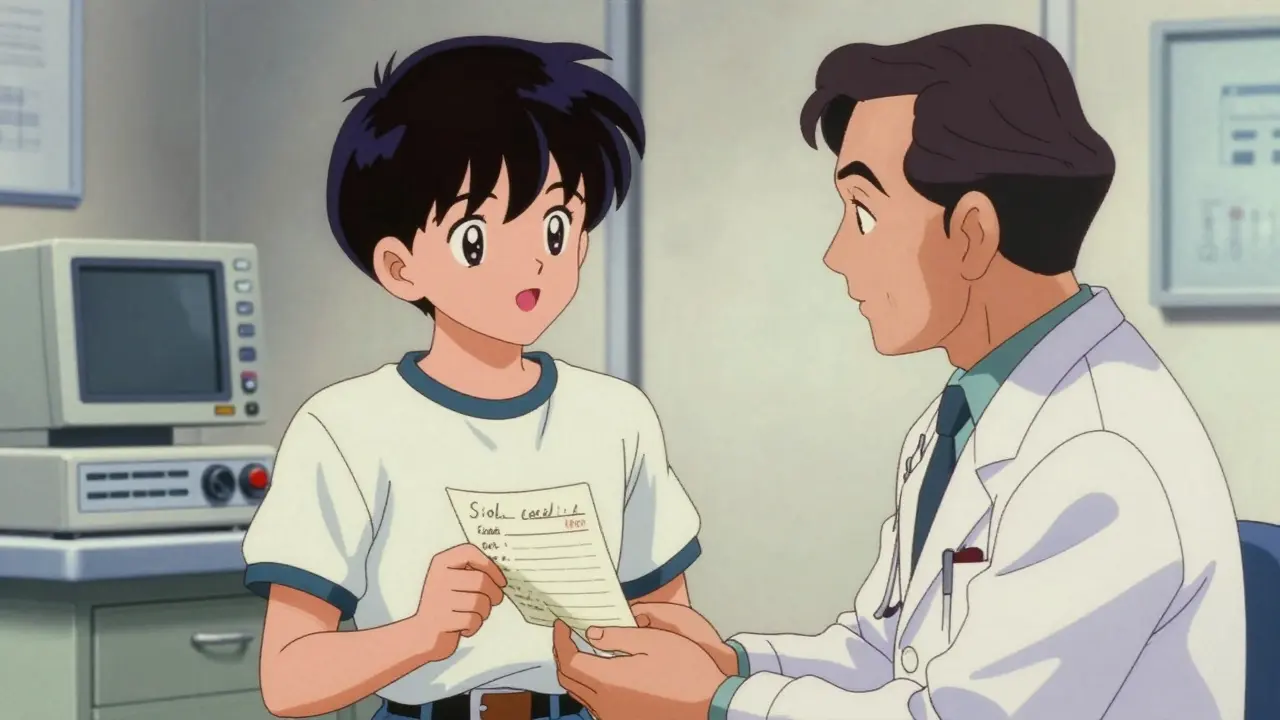
A huge part of independence is knowing how to talk to a professional. Many teens are intimidated by doctors and will just nod and say "I'm fine" even if they are experiencing side effects. You can coach them through this by role-playing the appointment.
Encourage them to keep a simple log of how they feel. Instead of saying "I feel weird," help them use concrete language: "I've been having headaches for three days after taking this dose." Teach them to ask the provider three specific questions: What is this medication doing for me? What should I do if I miss a dose? What are the red-flag side effects I need to report immediately? When a teen leads the conversation, they are far more likely to stick to the treatment plan.
Accountability Without Micromanaging
The tension between "supporting" and "hovering" is real. If you check in every hour, they'll never develop the internal drive to remember. Instead, use a tiered accountability system. Start with a weekly "medication check-in" where you review the log together. As they prove their reliability, move this to every two weeks, then once a month.
Interestingly, peer support can be more effective than parental nagging. If your teen has a sibling or a trusted friend managing a similar condition, encourage them to be "accountability partners." Research indicates that teens with a partner to check in with have significantly higher adherence rates because the social bond outweighs the chore of the task.
When is the best age to start teaching my teen to manage their own meds?
Most specialists recommend starting the process in the 10th grade (around age 15-16). This gives them two full years to make mistakes and learn the routine while you are still there to provide a safety net before they leave for college or work.
What should I do if my teen keeps forgetting their doses?
First, analyze why they're forgetting. Is the timing awkward? Try "habit stacking" by pairing the med with a fixed activity like brushing teeth. If that fails, move to a more rigid system like a physical pill organizer or a dedicated app like Medisafe. If forgetfulness persists, it may be worth discussing a once-daily extended-release formulation with their doctor to simplify the schedule.
Are there any medications that a teen should NEVER manage alone?
Yes. Controlled substances, especially painkillers (opioids) and certain sedatives, should always remain under adult supervision. Due to the high risk of addiction and diversion (sharing meds with friends), these should be kept in a locked box and dispensed by a parent.
How can I tell if my teen is misusing their prescription drugs?
Look for a discrepancy in pill counts-if the bottle is emptying faster than the prescribed dose, that's a red flag. Other signs include sudden changes in mood, unexpected drowsiness, or a sudden drop in school performance. Regular, non-confrontational pill counts are the best way to monitor this.
How do I help my teen talk to their doctor?
Help them write down a list of questions before the appointment. Encourage them to describe side effects using a log. The goal is to transition from you speaking *for* them to you supporting them as they speak for themselves.
Next Steps for Parents
If you're just starting this process, your first step is a "Medication Audit." Sit down with your teen and list every medication they take, the dose, and the purpose. If they can't answer those three things, you're in the 10th-grade phase. From there, pick one tool-either an app or a pill organizer-and commit to it for 30 days. Once the habit sticks, gradually pull back your supervision and let them take the lead.