Category: Pharmaceuticals - Page 3
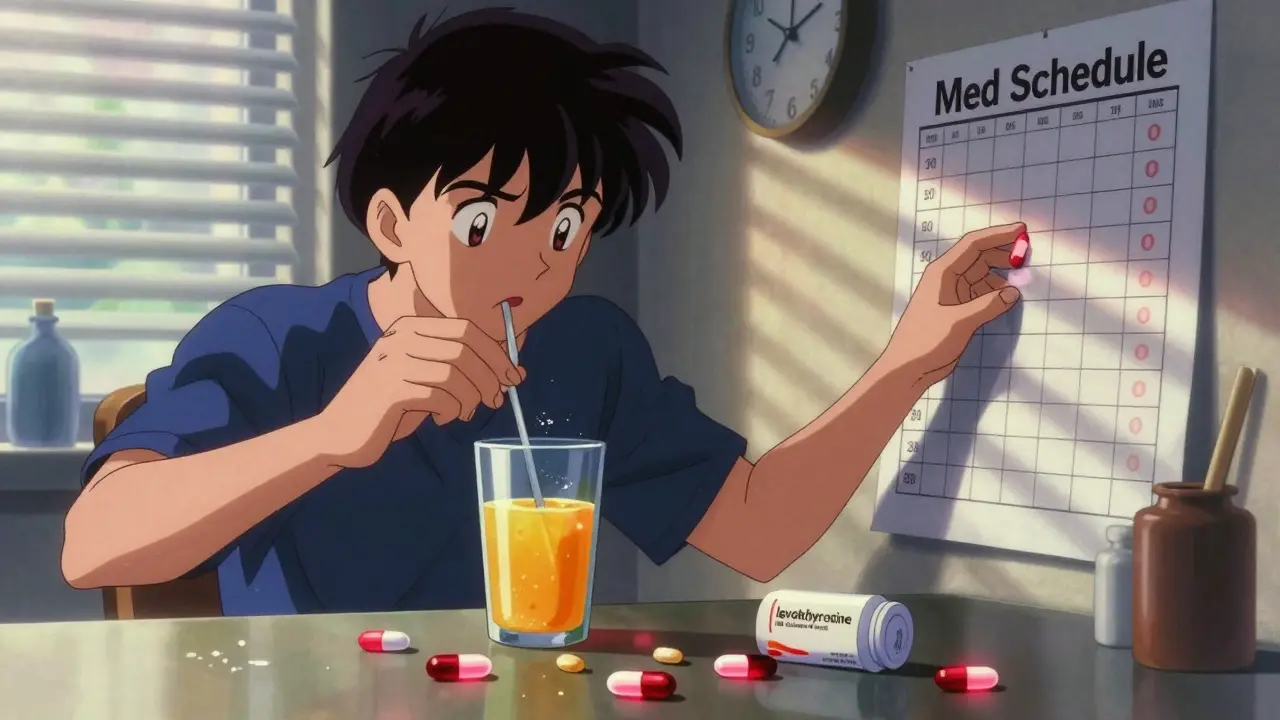
Bile acid sequestrants lower cholesterol but can block absorption of other meds like warfarin, levothyroxine, and birth control. Learn the exact timing rules to avoid dangerous interactions and keep your treatment effective.

Learn how to report adverse drug reactions to FDA MedWatch - whether you're a patient, caregiver, or healthcare provider. Understand what to report, how to file, and why your report matters for drug safety.

Tacrolimus, mycophenolate, and steroids form the standard immunosuppression combo after kidney transplant, cutting rejection rates by over 60%. But they come with serious side effects like diabetes, GI issues, and infection risk. Learn how they work, what’s changing in 2026, and how to protect your graft long-term.
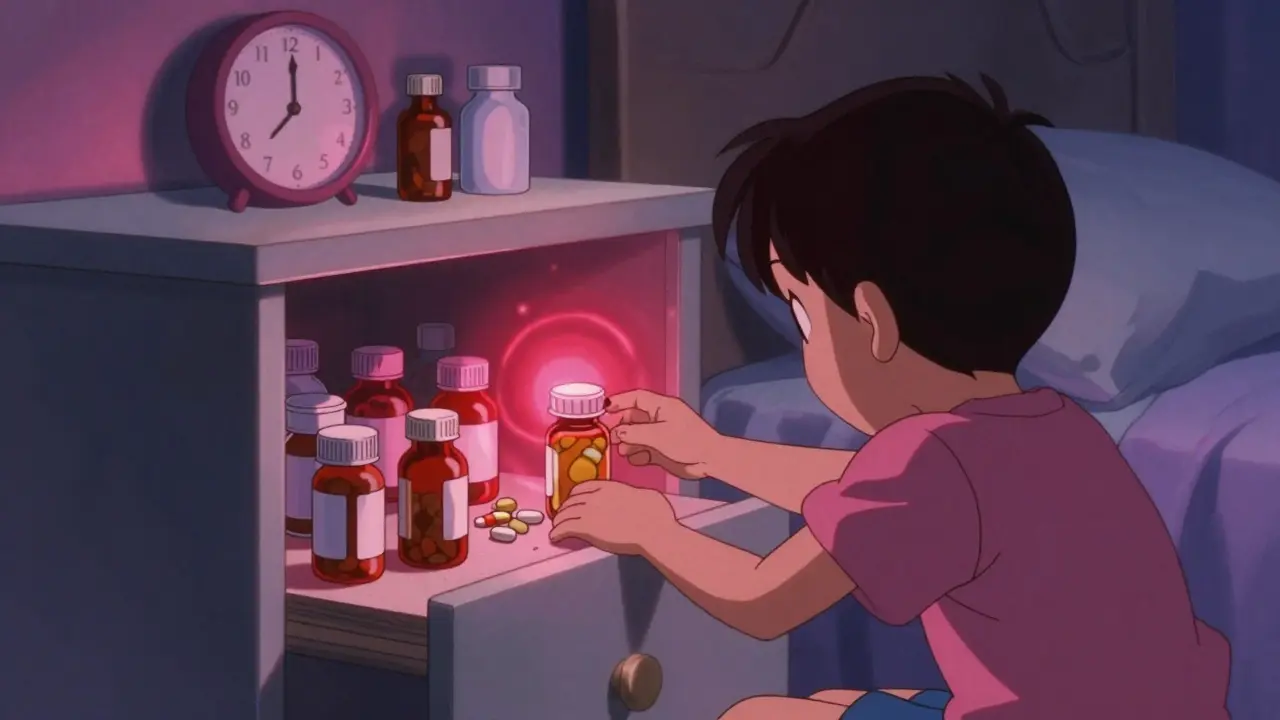
Secure storage of high-risk medications like opioids can prevent accidental overdoses in homes. Learn how to lock, label, and store pills safely to protect children, teens, and others from unintended harm.
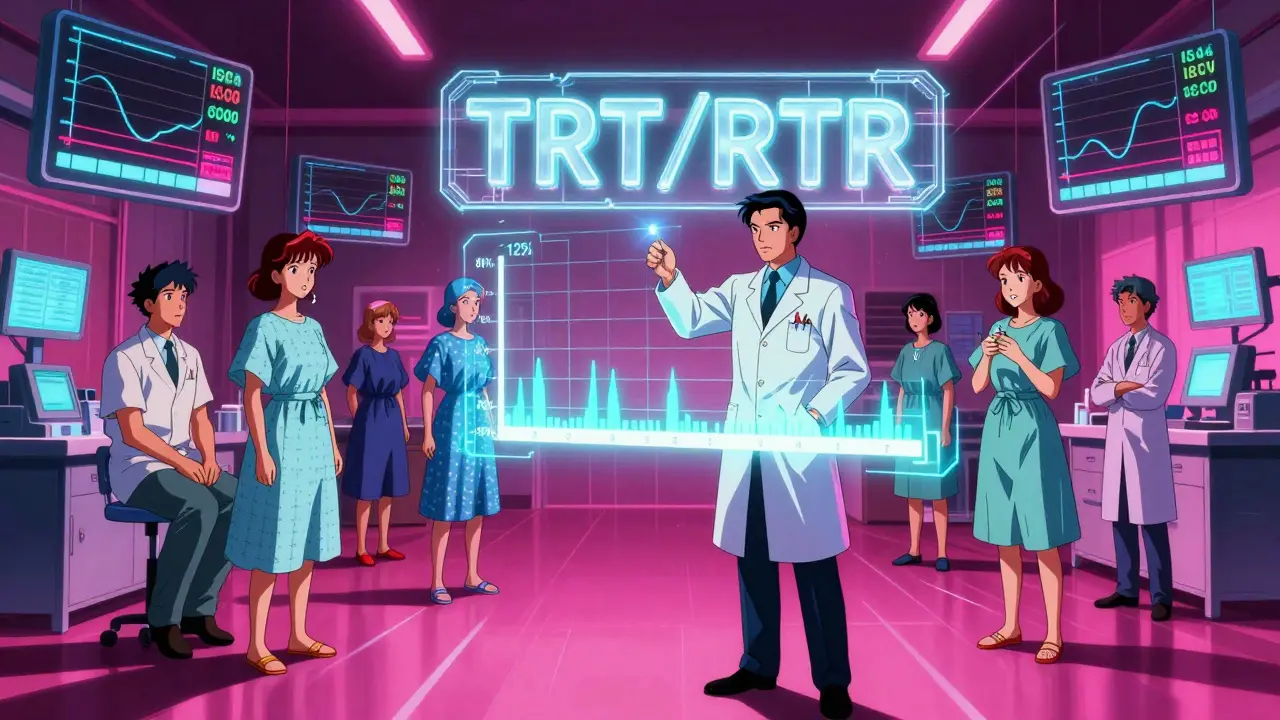
Replicate study designs are now essential for assessing bioequivalence of highly variable drugs. Learn how full and partial replicate designs work, when to use them, and why they’ve replaced outdated methods in modern BE studies.
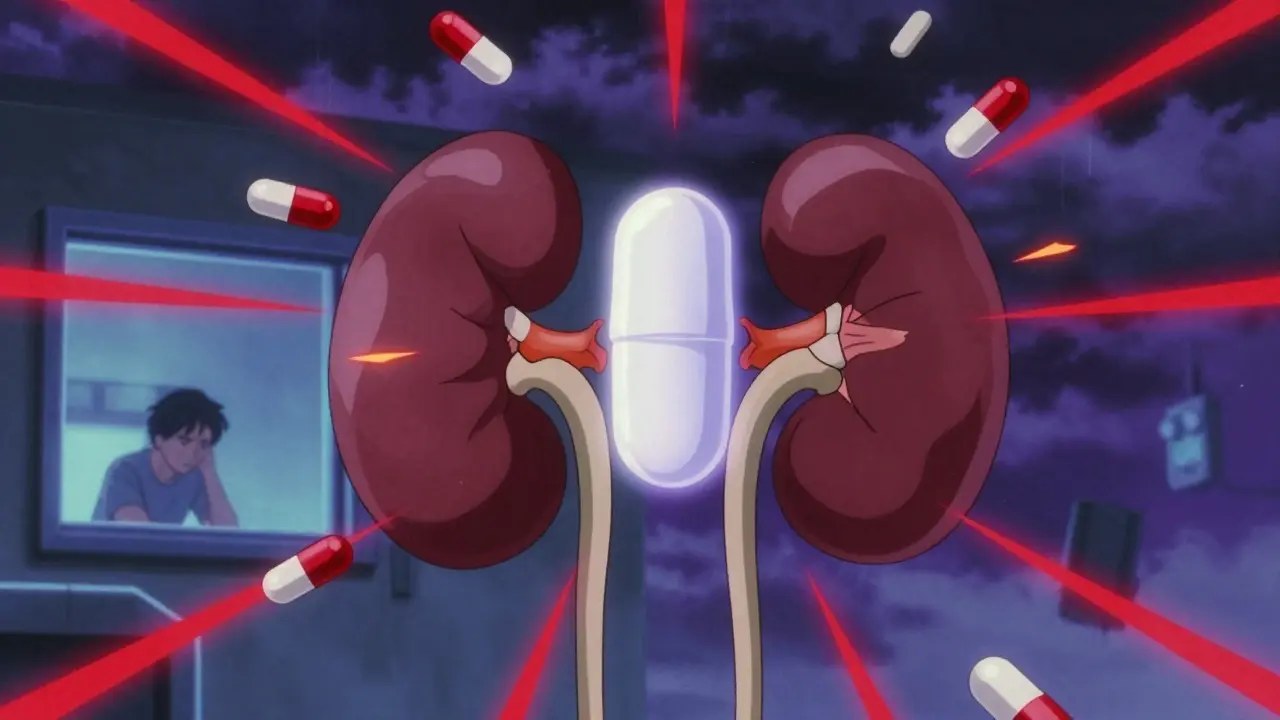
Lithium, valproate, and carbamazepine are powerful mood stabilizers with dangerous interactions. Learn how common drugs like ibuprofen or diuretics can trigger toxicity, why valproate and carbamazepine clash, and how to stay safe with monitoring and communication.
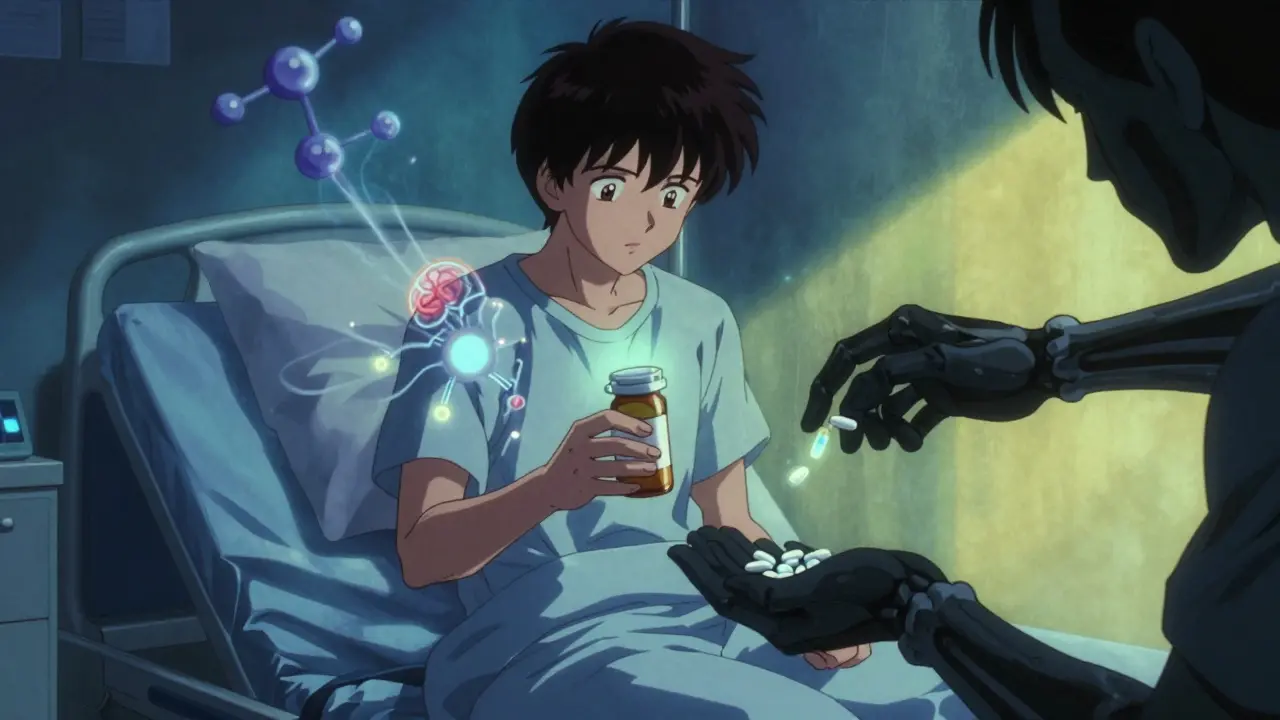
Opioids are powerful pain relievers but carry serious risks: tolerance builds quickly, dependence follows, and overdose can happen even to long-term users. Fentanyl, buprenorphine, naloxone, and MAT are key to understanding today’s crisis.
Paragraph IV certifications let generic drug companies challenge brand-name drug patents before launch, speeding up affordable medicine access. This legal tool under the Hatch-Waxman Act has saved consumers trillions since 1984.
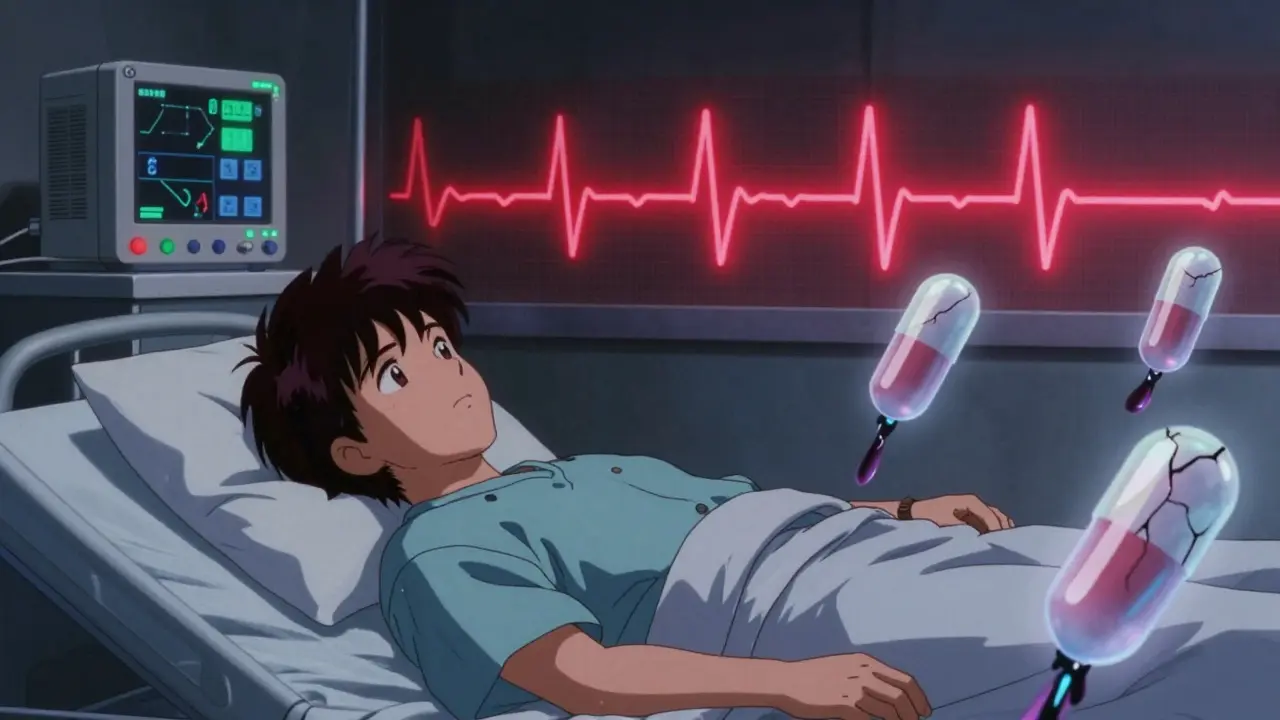
Many antiemetics can prolong the QT interval and cause dangerous heart rhythms or excessive drowsiness. Learn which drugs are safest, which to avoid, and how to choose based on patient risk factors.

Riluzole is the first and still most widely used drug for ALS, offering a modest but meaningful survival benefit. Learn how it works, who benefits, what side effects to expect, and how it compares to newer treatments.
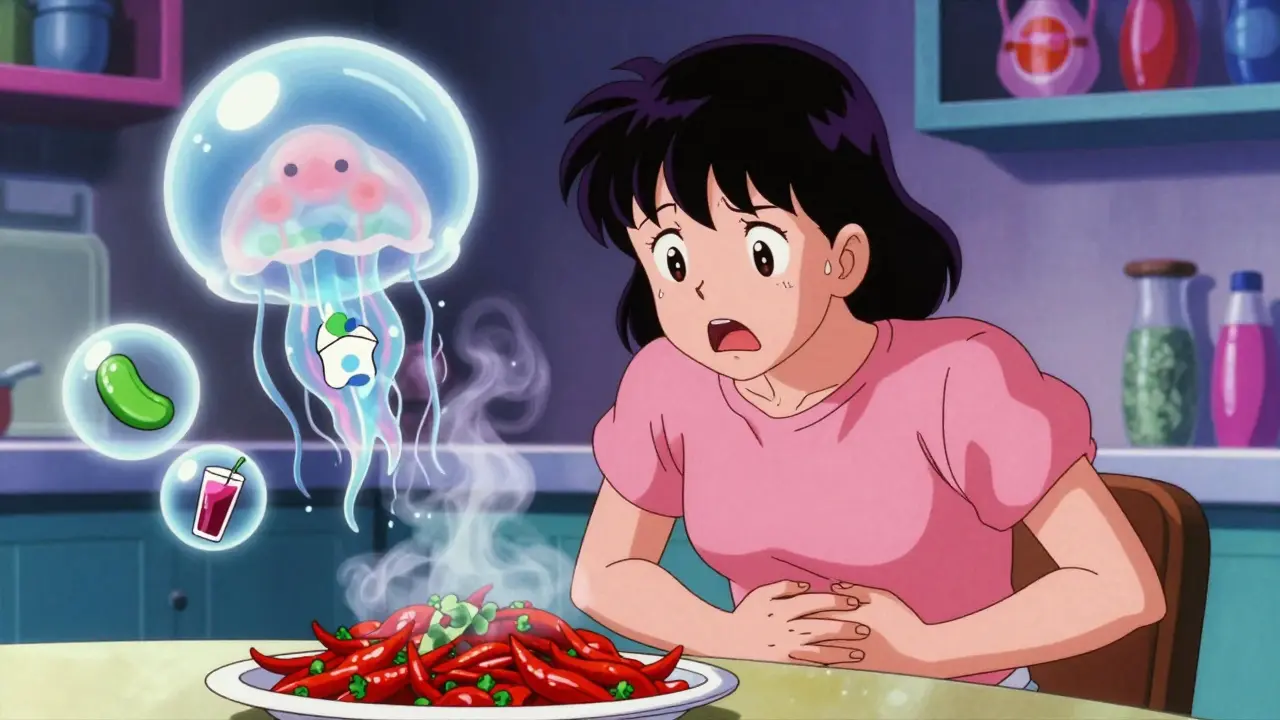
Learn how simethicone and enzyme products like Beano and Lactaid work to relieve gas and bloating. Discover which one to use, when to take it, and why both might be your best bet.
Statins and PCSK9 inhibitors both lower LDL cholesterol but differ in side effects, cost, and use cases. Statins are first-line and affordable; PCSK9 inhibitors offer stronger LDL reduction for those who can't tolerate statins or need extra protection.