Archive: 2025/12 - Page 2
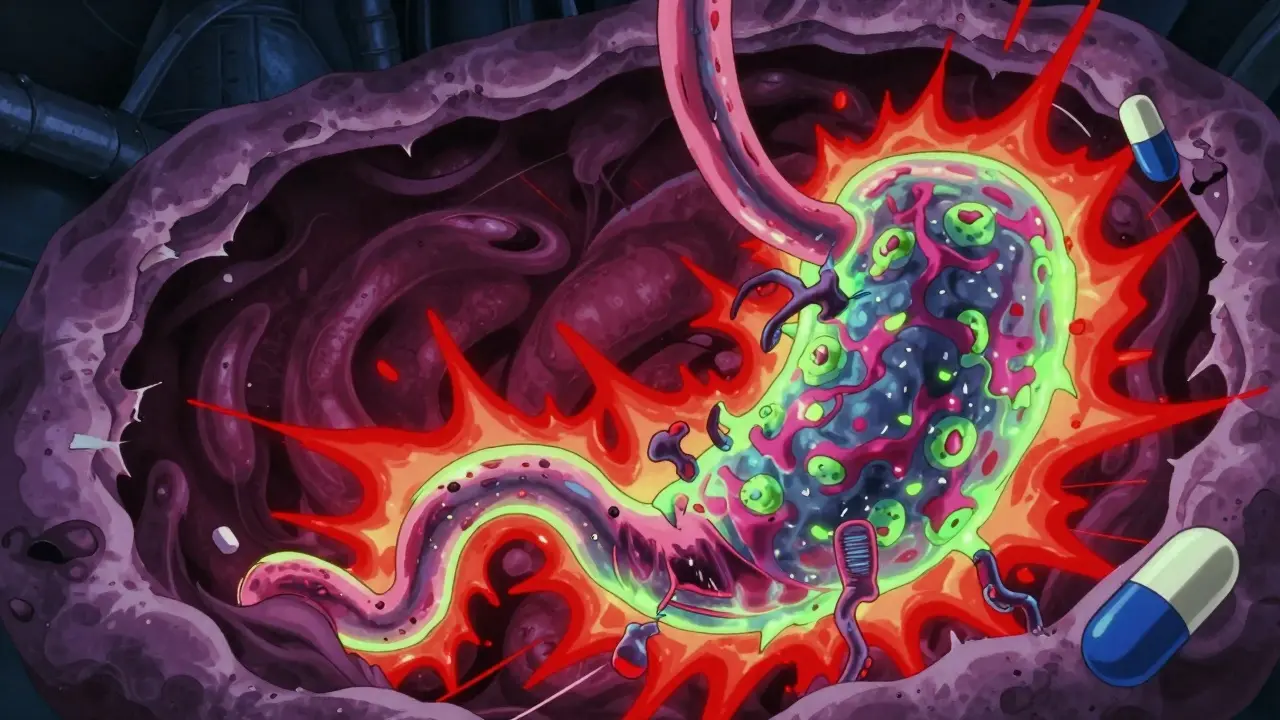
Peptic ulcer disease is caused by H. pylori bacteria or NSAIDs. Antibiotics cure the infection, while acid-reducing drugs like PPIs let the stomach heal. Learn what works, what doesn't, and how to avoid recurrence.

Warfarin and DOACs both prevent dangerous clots, but DOACs are safer and easier for most people. Learn which one is right for you based on kidney health, cost, lifestyle, and medical history.

China and India dominate global pharmaceutical manufacturing, but their regulatory risks and FDA oversight differ sharply. India leads in compliance; China leads in scale. Here's how it affects drug safety and supply chains.
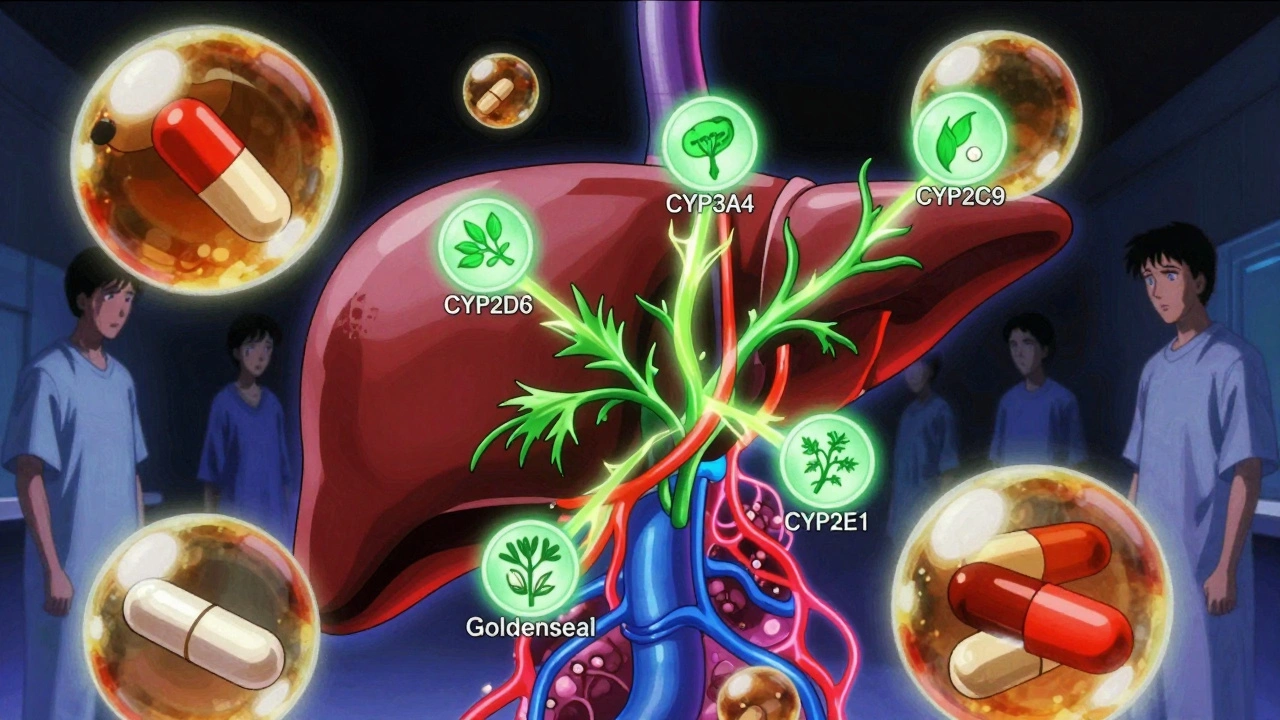
Goldenseal can dangerously interfere with liver enzymes that process medications, leading to overdose or reduced effectiveness. Learn which drugs are at risk and what safer alternatives exist.

Biosimilars aren't exact copies of biologics - tiny manufacturing differences can trigger immune responses. Learn why some patients develop anti-drug antibodies and how regulators ensure safety despite these variations.

Pravastatin offers the best side effect profile among statins for older adults, with fewer muscle issues and drug interactions. Learn how it compares to other statins, what side effects to watch for, and when it's the right choice for seniors.

Patent expiry means cheaper generics-but only if you plan ahead. Learn what patients and healthcare systems must do now to avoid cost traps, side effects, and supply shortages as hundreds of drugs lose exclusivity.

Time-released melatonin doesn't work for jet lag-it can make it worse. Learn why immediate-release melatonin, taken at the right time, is the only proven way to reset your body clock after crossing time zones.

Bronchodilators open airways for immediate relief; corticosteroids reduce long-term inflammation. Used together correctly, they control asthma and COPD. Learn how they work, why timing matters, and how to use them safely.

Spinal cord stimulation offers real relief for chronic nerve pain when other treatments fail. Learn who qualifies, how it works, what to expect, and the latest tech making it more effective than ever.
The FDA Sentinel Initiative uses big data from millions of patient records to detect hidden drug safety risks in real time, replacing outdated reporting systems with proactive, evidence-based monitoring.

Vancomycin saves lives but carries risks of kidney damage and hearing loss. Learn how to balance nephrotoxicity and ototoxicity with current guidelines, monitoring strategies, and real-world data.