Archive: 2025/11

Switching between generic medications is common and usually safe - but not for all drugs. Learn which medications are at risk and how to protect yourself from dangerous changes in effectiveness or side effects.

New congressional rules since 2023 have transformed how amendment substitutions work in the House, requiring advance filings, committee approval, and severity classifications. These changes have boosted efficiency but sparked debate over minority rights and transparency.

Rifampin drastically lowers levels of anticoagulants and antivirals by inducing liver enzymes, risking clotting or treatment failure. Learn how it affects warfarin, DOACs, and HIV drugs-and what to do instead.

Despite generics making up 90% of prescriptions, many doctors still doubt their effectiveness. This article explores why providers hesitate, what data they need, and how real-world evidence is slowly changing attitudes.
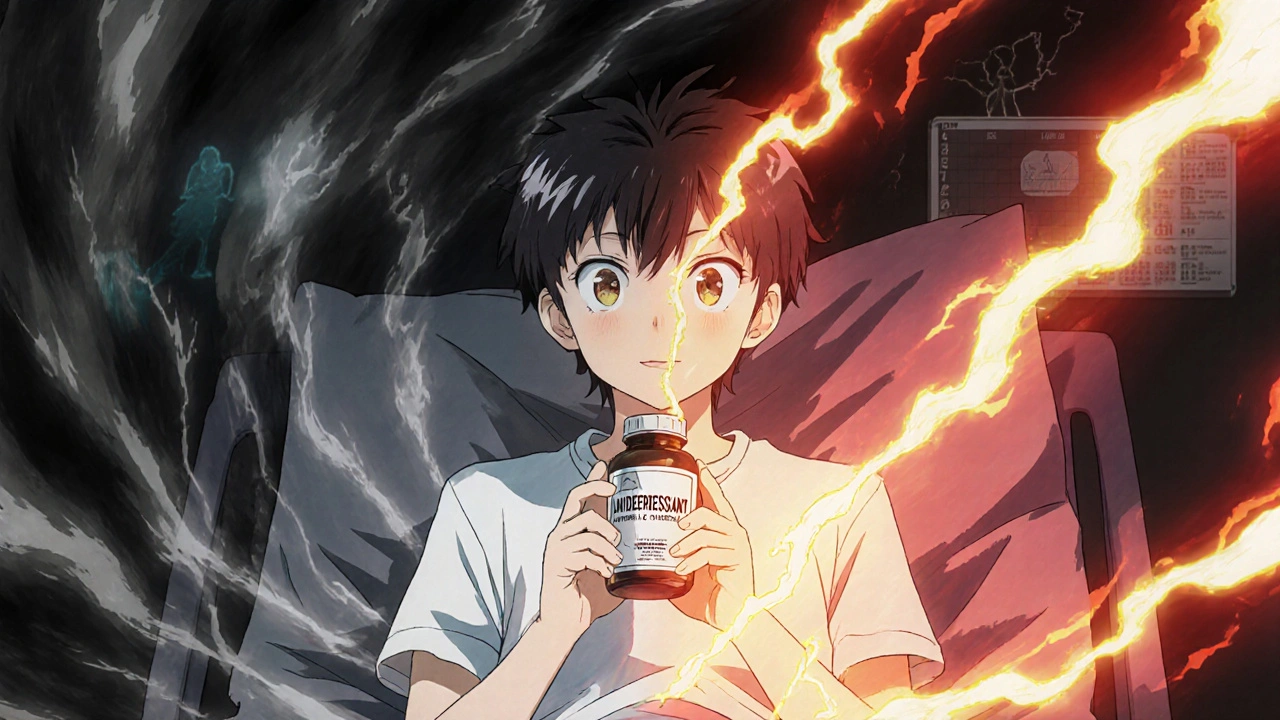
Antidepressants can trigger mania or rapid cycling in bipolar disorder. Learn why they're risky, which drugs are safer, what alternatives exist, and how to avoid dangerous treatment mistakes.

Family history and genetics play a major role in how your body responds to generic drugs. Learn how inherited gene variants affect drug metabolism, why some people have bad reactions, and what steps you can take to stay safe.
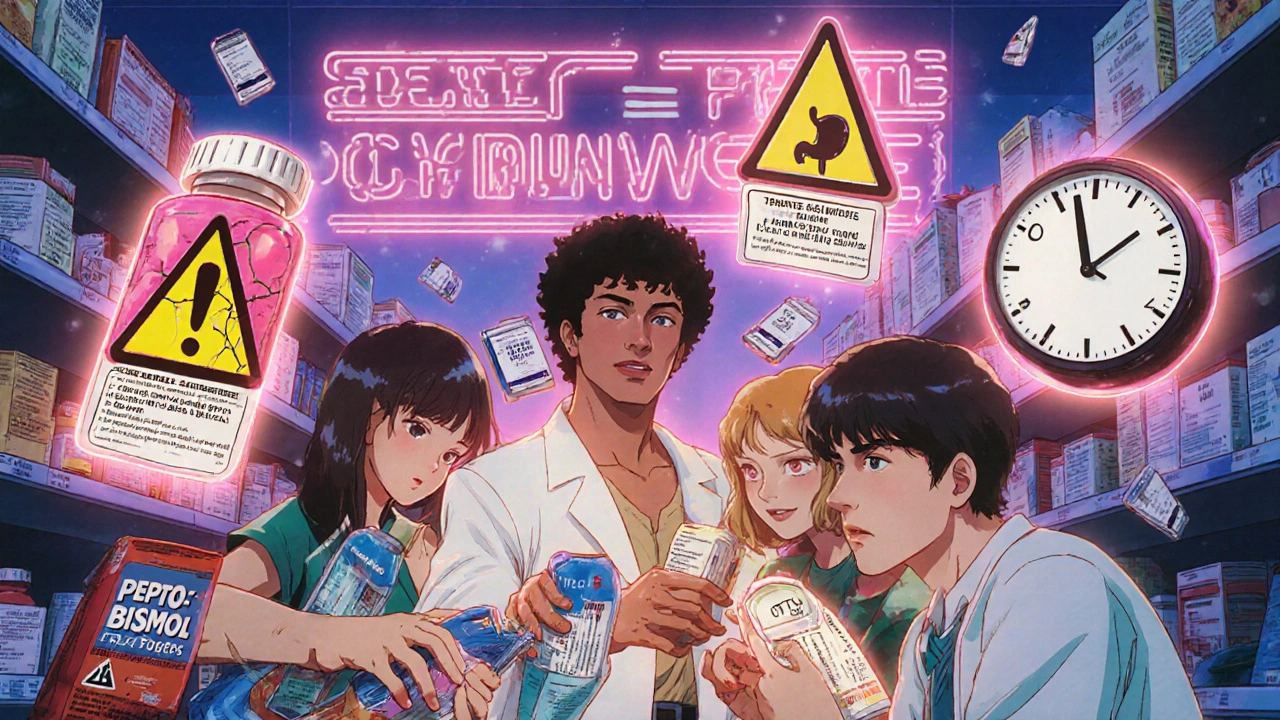
Learn how to use over-the-counter medications safely, avoid dangerous mistakes, and recognize when to skip the pharmacy and see a doctor instead. Essential guide for anyone using OTC drugs.

Hepatitis A spreads easily through contaminated food, often from infected workers who don't wash their hands. Learn how it's transmitted, what to do after exposure, and why vaccination and hygiene are critical to stopping outbreaks.
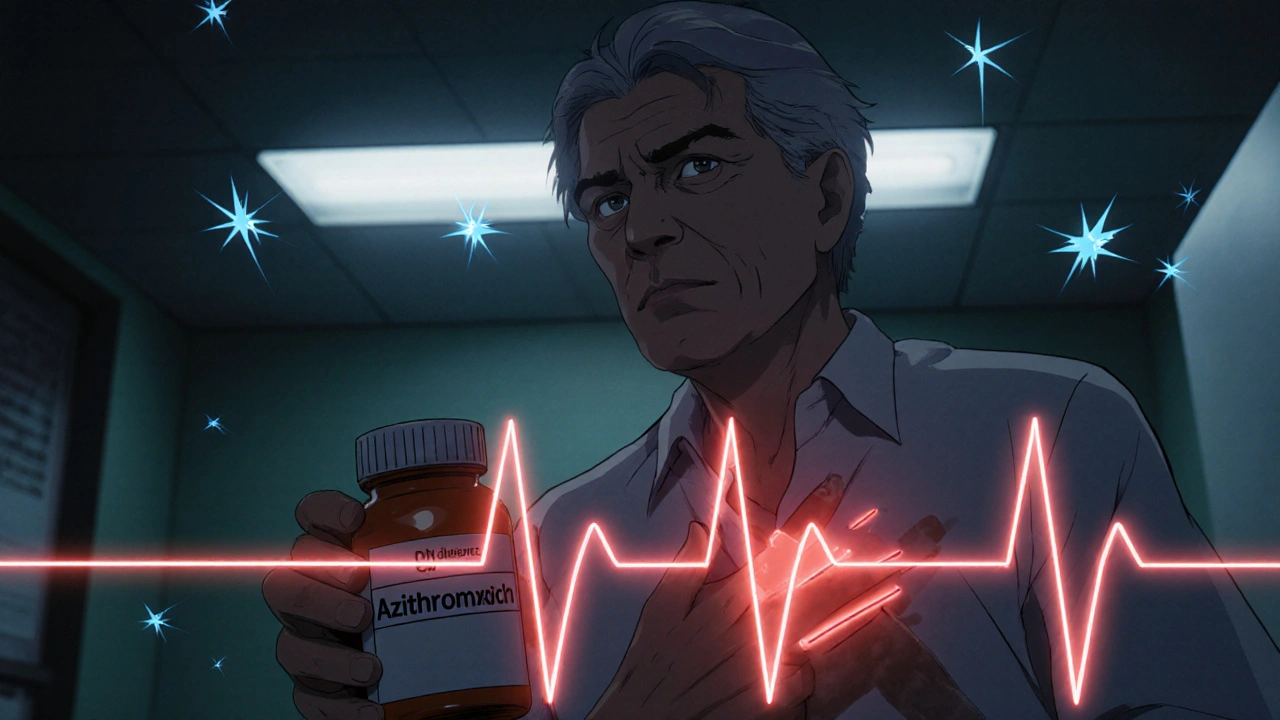
Many common medications can trigger dangerous heart rhythm problems. Learn the warning signs of drug-induced arrhythmias, which drugs are most risky, and how to manage them safely before it's too late.
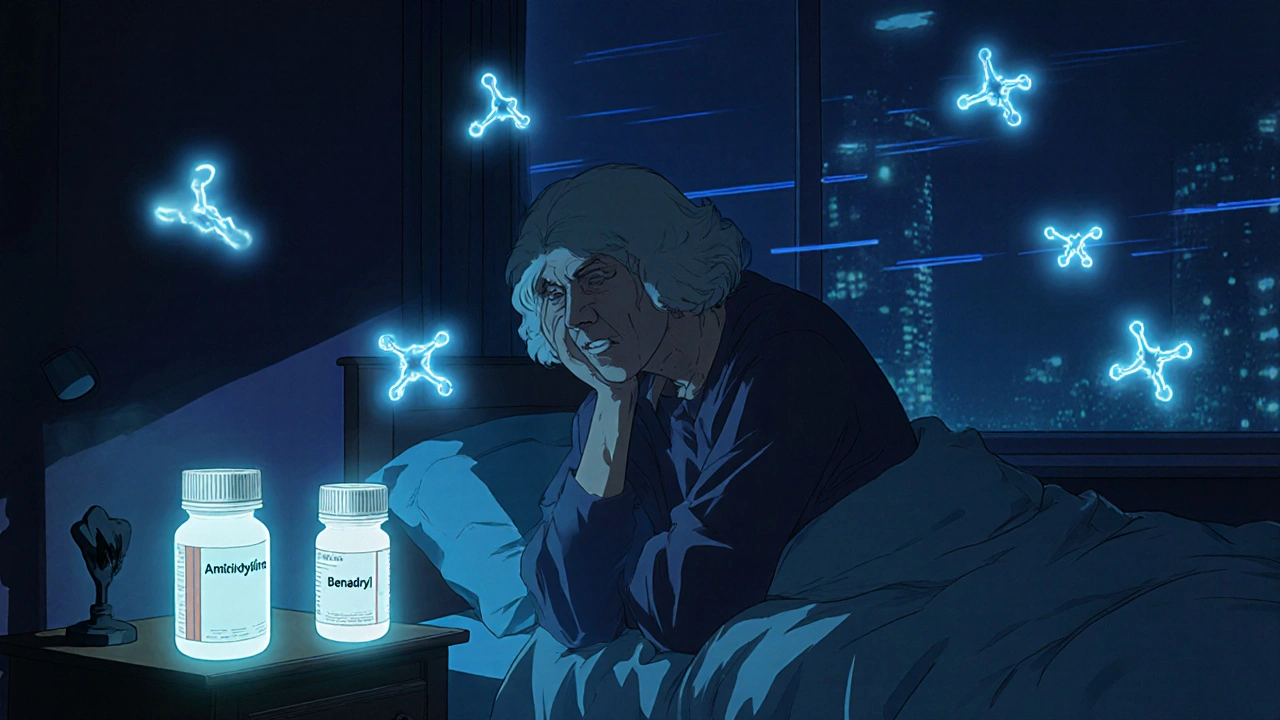
Combining tricyclic antidepressants like amitriptyline with antihistamines such as Benadryl can cause dangerous anticholinergic overload, increasing risks of confusion, dementia, and delirium-especially in older adults. Safe alternatives exist.

Atazanavir remains a key HIV treatment option in 2025, especially for pregnant patients, those with prior resistance, and in low-resource settings. Learn how it works, its side effects, and why it's still used despite newer drugs.

REM sleep behavior disorder (RBD) causes people to act out dreams during sleep, often leading to injury. It's strongly linked to Parkinson's and dementia. Melatonin and clonazepam are common treatments, but neurological monitoring is essential to catch early signs of brain disease.