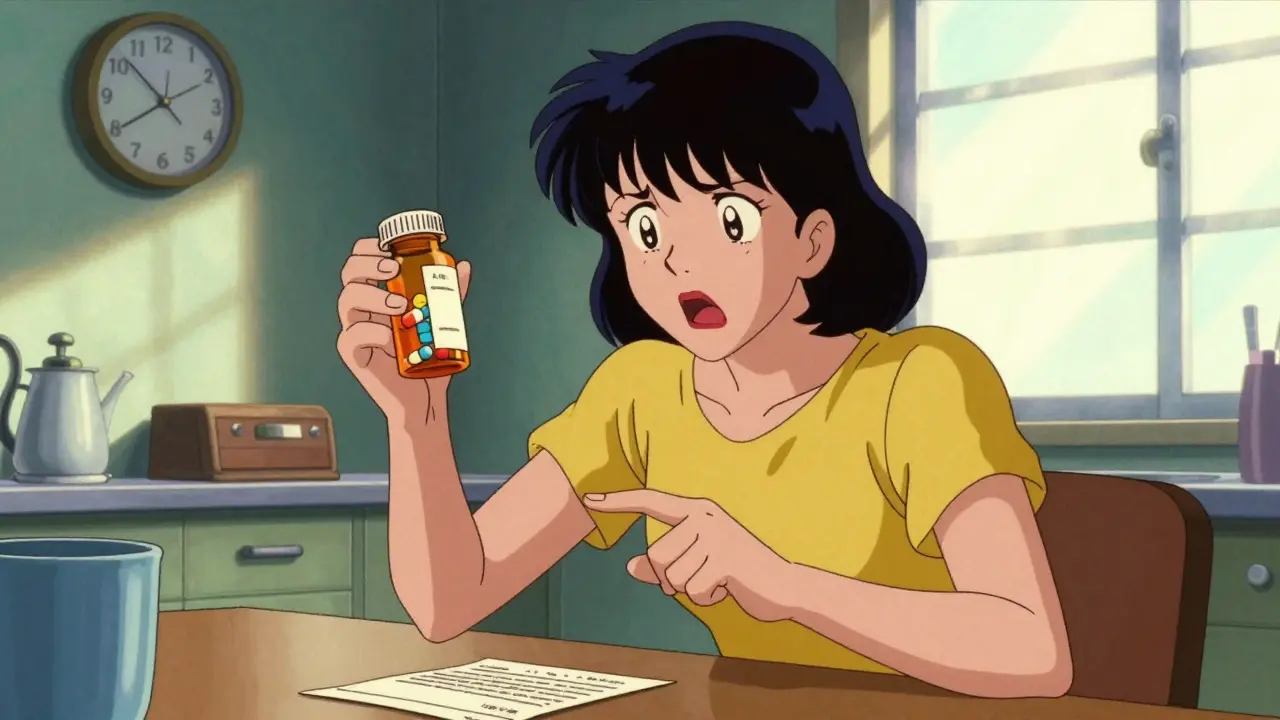
Getting the wrong medication from the pharmacy isn’t just a mix-up-it’s a serious safety risk. You might open the bottle, see a different pill color, or notice a label that doesn’t match your prescription. Maybe you took a dose before realizing something was off. Either way, wrong medication can lead to dangerous side effects, hospital visits, or even long-term harm. The good news? There are clear, proven steps to take immediately to protect your health and your rights.
Stop Taking the Medication Right Away
The first thing you must do is stop taking the pills, capsules, or liquid you received. Even if you feel fine, continuing to take the wrong medication can make things worse. A common example is someone who gets a blood pressure pill instead of their diabetes medicine. Taking the wrong one can cause your blood sugar to spike or crash, leading to confusion, fainting, or worse. Don’t wait for symptoms. If the label doesn’t match what your doctor prescribed, or the pill looks completely different from what you’ve taken before, stop immediately.Keep the medication in its original container. Don’t throw it away. Don’t flush it. Don’t give it back to the pharmacy. You’ll need it as evidence.
Contact Your Prescribing Doctor Immediately
Call your doctor the moment you realize something’s wrong. Don’t wait until tomorrow. Explain exactly what happened: which medication you were supposed to get, what you received, and whether you’ve taken any of it. Your doctor may need to adjust your treatment plan, run tests, or even send you to the emergency room.For example, if you were prescribed warfarin (a blood thinner) and got a different anticoagulant like rivaroxaban, the dosage could be dangerously off. Your doctor will need to check your blood levels. If you’ve already taken the wrong pill, they may need to monitor you for bleeding, dizziness, or heart rhythm issues. In some cases, they’ll prescribe a new medication right away to prevent complications.
Speak to the Pharmacy Manager
Go back to the pharmacy-or call if you’re unable to go in person-and ask to speak with the head pharmacist or manager. Don’t settle for a front-line technician. They may not have the authority to investigate properly. Tell them clearly: “I received the wrong medication. I need this investigated.”Ask for a written report of the incident. Many pharmacies keep internal logs of dispensing errors. Get a copy. If they refuse to give you one, write down the date, time, who you spoke to, and what they said. This becomes part of your paper trail.
Pharmacies in the UK and US are required to report dispensing errors to regulatory bodies. But they won’t do it unless you push for it. If they downplay the mistake-say, “It was just a label mix-up”-don’t accept that. Even small errors can have big consequences.
Preserve All Evidence
You need to keep everything. Not just the medication. Save:- The original prescription bottle (even if empty)
- The receipt or pharmacy slip
- The prescription label (take a photo if it’s still attached)
- The incorrect medication in its original packaging
- Any communication with the pharmacy (texts, emails, call logs)
Photograph the wrong medication next to the prescription label. If you can, record a short video showing the label and the pill inside. According to case data from legal firms handling pharmacy errors, 92% of successful claims include this kind of visual proof. Video evidence increases settlement chances by over a third.
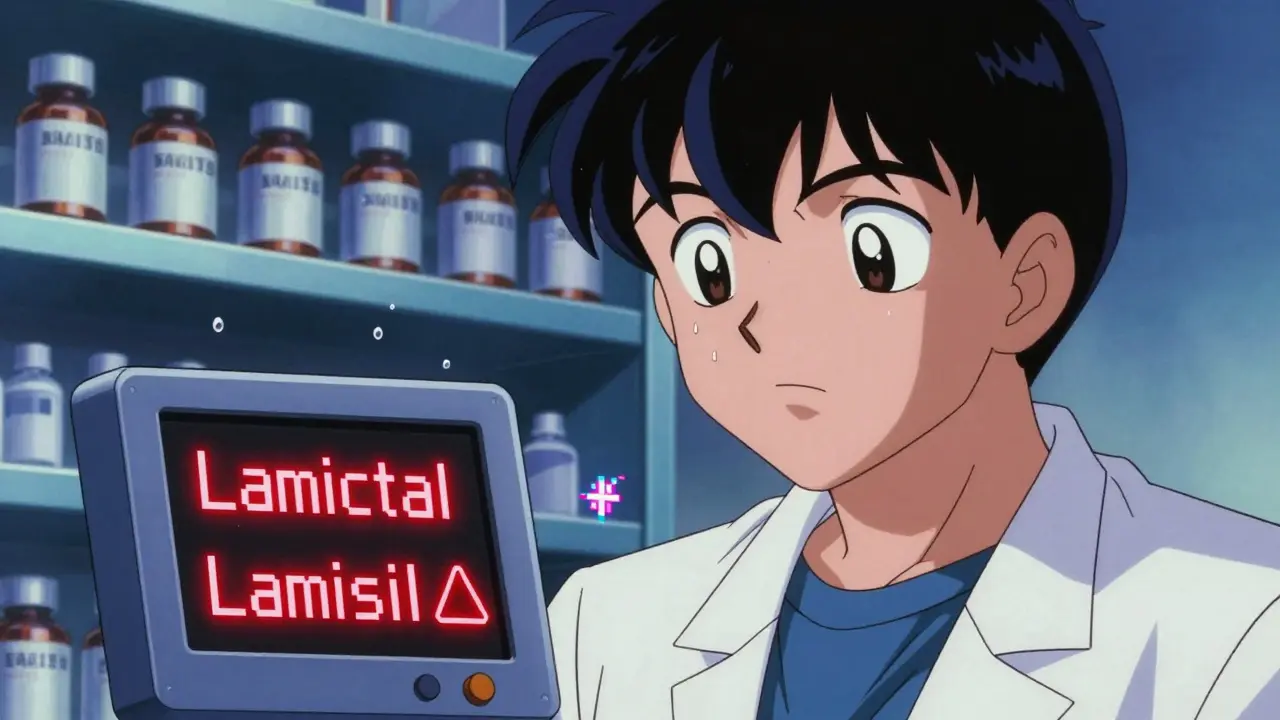
Watch for Side Effects and Seek Emergency Help if Needed
Some wrong medications cause immediate harm. Signs to watch for:- Sudden dizziness or confusion
- Difficulty breathing
- Severe rash or swelling
- Unusual heartbeat or chest pain
- Nausea, vomiting, or fainting
If you experience any of these, go to the nearest emergency room or call 999. Don’t wait. Tell the ER staff: “I was given the wrong medication by my pharmacy.” They’ll document it, run tests, and treat you. This medical record is critical for any future action.
One patient in Sheffield, for example, took a child’s asthma inhaler instead of her own heart medication. Within 30 minutes, her heart rate spiked to 140 bpm. She went to A&E, where doctors confirmed the error. Her hospital stay cost £1,200. Because she had photos and the original packaging, she later received compensation for the incident.
Report the Error to Regulators
In the UK, you can report a pharmacy error to the General Pharmaceutical Council (GPhC). They oversee all registered pharmacies and pharmacists. You can file a complaint online or by phone. In the US, reports go to the FDA’s MedWatch program or your state’s pharmacy board. The Institute for Safe Medication Practices (ISMP) also accepts anonymous reports.Why report? Because one mistake might be an accident-but if it’s part of a pattern, regulators can act. In 2022, the FDA received over 92,000 medication error reports. Experts believe less than 15% of all errors are ever reported. Your report could help prevent the same mistake from happening to someone else.
Understand Your Legal Rights
Pharmacy errors are considered medical negligence. If you’ve been harmed-physically, emotionally, or financially-you may have grounds for a claim. You don’t need to hire a lawyer right away, but you should know your options.Successful claims usually require:
- Proof you received the wrong medication
- Documentation of harm or injury
- Medical records linking the error to your condition
- Proof of expenses (ER visits, new prescriptions, lost wages)
Most cases settle out of court. Settlements range from £5,000 for minor side effects to over £100,000 for permanent injury or hospitalization. In the US, the average settlement is between $50,000 and $500,000. A 2023 case in Georgia resulted in a $75,000 payout after a teenager took the wrong ADHD medication and suffered three days of seizures.
Never give a recorded statement to the pharmacy or their insurance company without legal advice. They may use your words against you. If you’re considering legal action, consult a solicitor who specializes in medical negligence.
How These Errors Happen
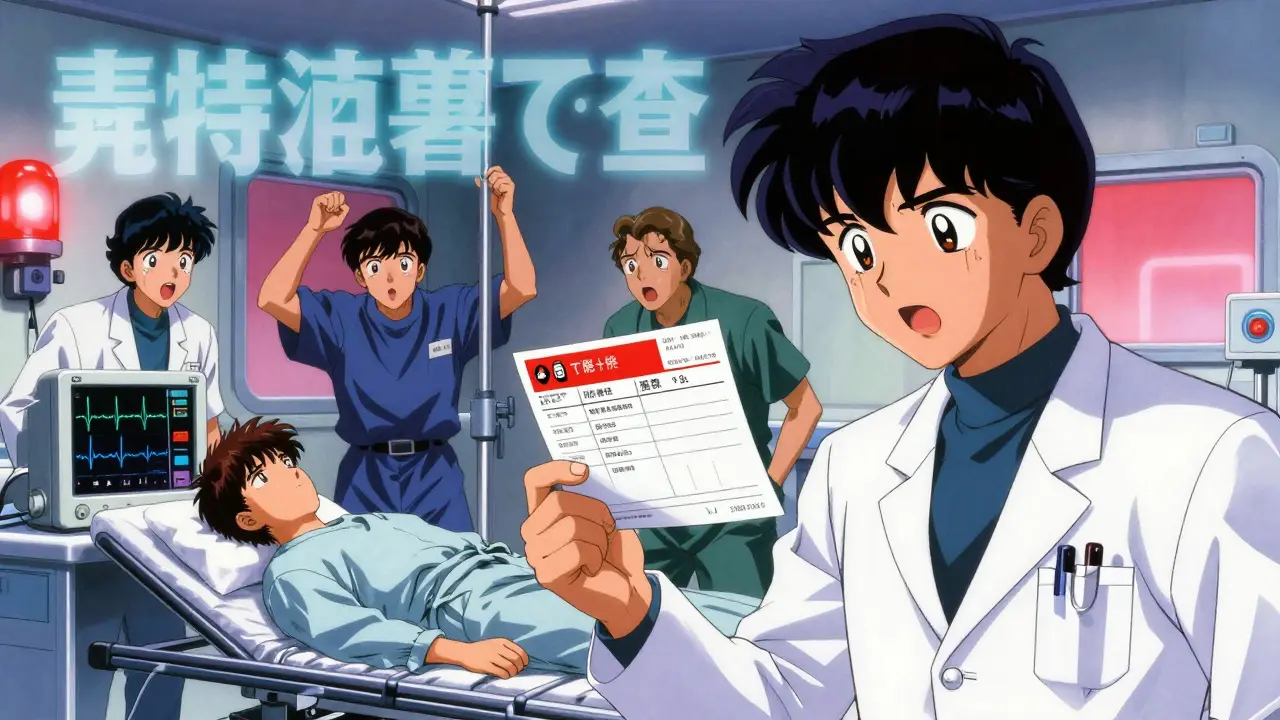
It’s not just “human error.” System failures make these mistakes more likely:- Similar-looking pill names (e.g., Lamictal vs. Lamisil)
- Handwritten prescriptions that are misread
- High workload during busy hours
- Lack of barcode scanning (only 62% of US pharmacies use it)
- Multiple prescriptions filled at once
Studies show that pharmacies using barcode scanning reduce dispensing errors by 85%. The Veterans Health Administration cut medication errors by 55% after installing full safety systems. These aren’t rare problems-they’re preventable.
How to Prevent This in the Future
You can protect yourself:- Always check the pill before leaving the pharmacy. Compare the label to your prescription.
- Ask the pharmacist: “Is this what my doctor ordered?”
- Use one pharmacy for all your prescriptions. They’ll catch interactions and mismatches.
- Ask for printed information sheets with each new prescription.
- Set up alerts on your phone for refill dates-this helps you notice if the pill looks different.
One woman in Sheffield started taking photos of her pills each time she picked them up. After spotting a mismatch on her blood pressure med, she stopped taking it and reported it. The pharmacy had filled her prescription with a similar-looking drug meant for a different patient. Because she had the photo, they admitted fault and changed their verification process.
Long-Term Risks of Unreported Errors
Ignoring a wrong medication doesn’t make it go away. The Journal of the American Medical Association found that patients who experienced medication errors had a 28% higher risk of death within five years. Cardiovascular and diabetes medications carry the highest risk when mixed up.Even if you feel fine now, long-term damage can develop. A wrong dose of thyroid medication, for example, can cause heart rhythm problems years later. That’s why documenting everything matters-not just for compensation, but for your future health.
What should I do if I’ve already taken the wrong medication?
Stop taking it immediately. Call your doctor or go to the emergency room if you feel unwell. Keep the medication and all packaging. Document when you took it and what symptoms you experienced. This information helps your doctor treat you and builds evidence if you need to file a claim.
Can I get compensation for a pharmacy error?
Yes. If the error caused physical harm, emotional distress, or financial loss (like ER bills or lost wages), you may be eligible for compensation. Most cases settle out of court. You’ll need proof of the error, medical records, and documentation of your expenses. Consult a solicitor who handles medical negligence claims.
Should I return the wrong medication to the pharmacy?
No. Do not return or dispose of the medication. It’s critical evidence. Keep it in its original packaging, even if it’s empty. If the pharmacy asks for it back, say you’re holding it for legal or medical reasons. If they pressure you, document the request.
How common are pharmacy dispensing errors?
They’re more common than most people think. In the US, around 1.5 million errors occur each year. In the UK, the General Pharmaceutical Council recorded over 8,000 complaints in 2023 alone. Dispensing errors make up about 26% of all medication-related incidents. Many go unreported because patients don’t realize it was a mistake.
Can I report a pharmacy anonymously?
Yes. You can report to the General Pharmaceutical Council (GPhC) in the UK or the FDA’s MedWatch program in the US without giving your name. But if you want to pursue compensation or legal action, you’ll need to identify yourself. Reporting anonymously still helps regulators spot patterns and enforce safety standards.

Comments (15)
Bryan Woody March 22 2026
Stop taking it? Duh. But here's the real issue nobody talks about - pharmacies are understaffed robots running on caffeine and desperation. I worked in one. You think they're checking every pill? Nah. They're scanning barcodes while texting their cousin about a TikTok dance. The system is broken. And no, I'm not mad. I'm just disappointed. We built a world where your life depends on a 19-year-old who can't spell 'anticoagulant' but somehow has 17 tabs open on their laptop. 🤷♂️Timothy Olcott March 22 2026
Yall are overreacting 😅 I got the wrong meds once and I just took em anyway. Turned out it was just a different brand of the same thing. Like who cares? Stop being so paranoid. Also why are you keeping the bottle?? Just flush it and move on. #ChillOut #PharmacyFailDesiree LaPointe March 22 2026
Oh honey. You mean you didn’t already know that the FDA’s ‘medication error’ category includes everything from ‘I got Advil instead of Tylenol’ to ‘I was given a horse tranquilizer because the barcode scanner glitched and the pharmacist was on Tinder’? I’m not surprised. The average American pharmacy employee has the attention span of a goldfish on espresso. And you think they’re going to verify your prescription? Sweetie, they’re busy trying to figure out if ‘Lamictal’ sounds like ‘Lamisil’ or if it’s just a typo from someone who thinks ‘pharmacy’ is a type of yoga. 🤦♀️Jackie Tucker March 22 2026
The real tragedy isn’t the medication error-it’s the epistemological collapse of trust in institutions. We’ve outsourced our bodily autonomy to algorithmic systems governed by profit margins and union-busting HR policies. The fact that you’re being told to ‘preserve evidence’ instead of ‘demand systemic reform’ reveals the entire neoliberal farce. You don’t need a lawyer. You need a revolution. Or at least a better pharmacy. But let’s be honest: capitalism turned healthcare into a horror show. And now we’re just picking up the pieces with Post-its and photos. 🤔Thomas Jensen March 24 2026
You think this is bad? Wait till you find out the government is using these errors to track who’s on meds. I know a guy whose cousin’s neighbor got the wrong antidepressant and three days later, their smart fridge started sending messages to the NSA. It’s not a mistake. It’s a program. They’re testing how many people will take pills they didn’t ask for before rolling out the mandatory biochip implant. I’m not paranoid. I’ve done the research. And yes, I’ve saved every pill. Even the empty ones. They’re watching. Always.Allison Priole March 24 2026
I love how this post just… calmly lays out the steps like we’re all just gonna be fine. I’ve been there. I took the wrong blood pressure med. Felt weird. Didn’t panic. Called my doc. She said ‘oh honey, that’s just the new generic version.’ Turns out, it wasn’t. But she didn’t know. And the pharmacy? They said ‘we’re so sorry’ and gave me a coupon for 10% off ibuprofen. So yeah. I’m keeping the bottle. I’m taking pics. I’m documenting everything. Because if I don’t, who will? The system? Nah. We gotta be our own damn safety net. And it’s exhausting. But worth it. 🌿Casey Tenney March 24 2026
Stop taking it. Call your doctor. Save the bottle. That’s it. No drama. No hashtags. No fluff. You don’t need a PhD in pharmacy law to survive this. Just use your brain. And if you’re too lazy to check your meds before leaving the counter? You deserve what you get. Simple.Sandy Wells March 26 2026
The advice here is sound but overly detailed. Most people will not have the energy or capacity to photograph pill labels or file reports with GPhC. The real solution is universal healthcare with standardized electronic prescriptions. Until then, we are all just rolling the dice every time we pick up a prescription. This is not a personal failure. It is a systemic one. And the fact that we expect individuals to manage this burden is morally indefensibleChris Dwyer March 27 2026
You got the wrong meds? Okay. Breathe. You’re not alone. I’ve been there too. I took my kid’s ADHD med by accident. Thought I was having a heart attack. Turned out I just had a caffeine spike from a pill meant for a 9-year-old. Called my doc. He laughed. Then he said ‘thank you for catching it.’ That’s the thing-most errors get caught because someone paid attention. You’re doing the right thing. Keep going. You’re not just protecting yourself. You’re protecting someone else’s grandma next week. That’s powerful. You got this.matthew runcie March 28 2026
I’ve been taking meds for 12 years. Only once did I get the wrong thing. I noticed because the pill had a weird shape. I didn’t take it. I called. They apologized. They gave me a new one. No drama. No lawyer. No photos. Just good communication. Maybe we’re making this harder than it needs to be. Trust your gut. Ask questions. Most pharmacists want to help. They’re just drowning in work.shannon kozee March 30 2026
I always check my pills. Always. I even have a little notebook where I write down what each med looks like. My pharmacist started asking me if I’m a detective. I said yes. And now she double-checks my scripts. It’s weird how one small habit changes the whole system. You don’t need to be loud. Just consistent.trudale hampton March 31 2026
I used to think pharmacy errors were rare. Then my mom got the wrong chemo med. She didn’t know until she started vomiting blood. We had to fight for three months just to get them to admit it was their mistake. The whole thing broke us. But we kept every receipt. Every email. Every pill. And yeah, we got compensation. Not enough. But enough to pay for therapy. Don’t give up. Document. Even if it feels pointless. It’s not.Shaun Wakashige April 2 2026
lol i once got a dog pill instead of my insulin 😂 i was like 'why does this taste like chicken?' and then i looked at the label. my pharmacist was like 'oops' and gave me a free burrito. so yeah. keep the bottle. but also. be chill.Paul Cuccurullo April 3 2026
It is deeply concerning that society has reduced the integrity of pharmaceutical care to a series of individual precautions rather than enforcing institutional accountability. The burden of vigilance has been shifted from the system to the patient-an unethical paradigm that thrives under deregulation. One cannot reasonably expect laypersons to become forensic pharmacists. The responsibility lies with the institutions that profit from this negligence.Solomon Kindie April 3 2026
The fact that you have to photograph pills to survive the healthcare system means we’ve already lost. This isn’t about errors. It’s about entropy. Capitalism doesn’t care if you live or die. It cares if you file the right paperwork before you collapse. The pharmacy isn’t broken. It’s functioning exactly as designed. You think they want you safe? No. They want you compliant. And quiet. And paying for the next refill. So go ahead. Save the bottle. Take the photo. File the report. But know this: you’re not fixing the system. You’re just surviving it. And one day, your survival won’t be enough